You know what really grinds my gears?
What really irks my soul?
What really salts my apples?
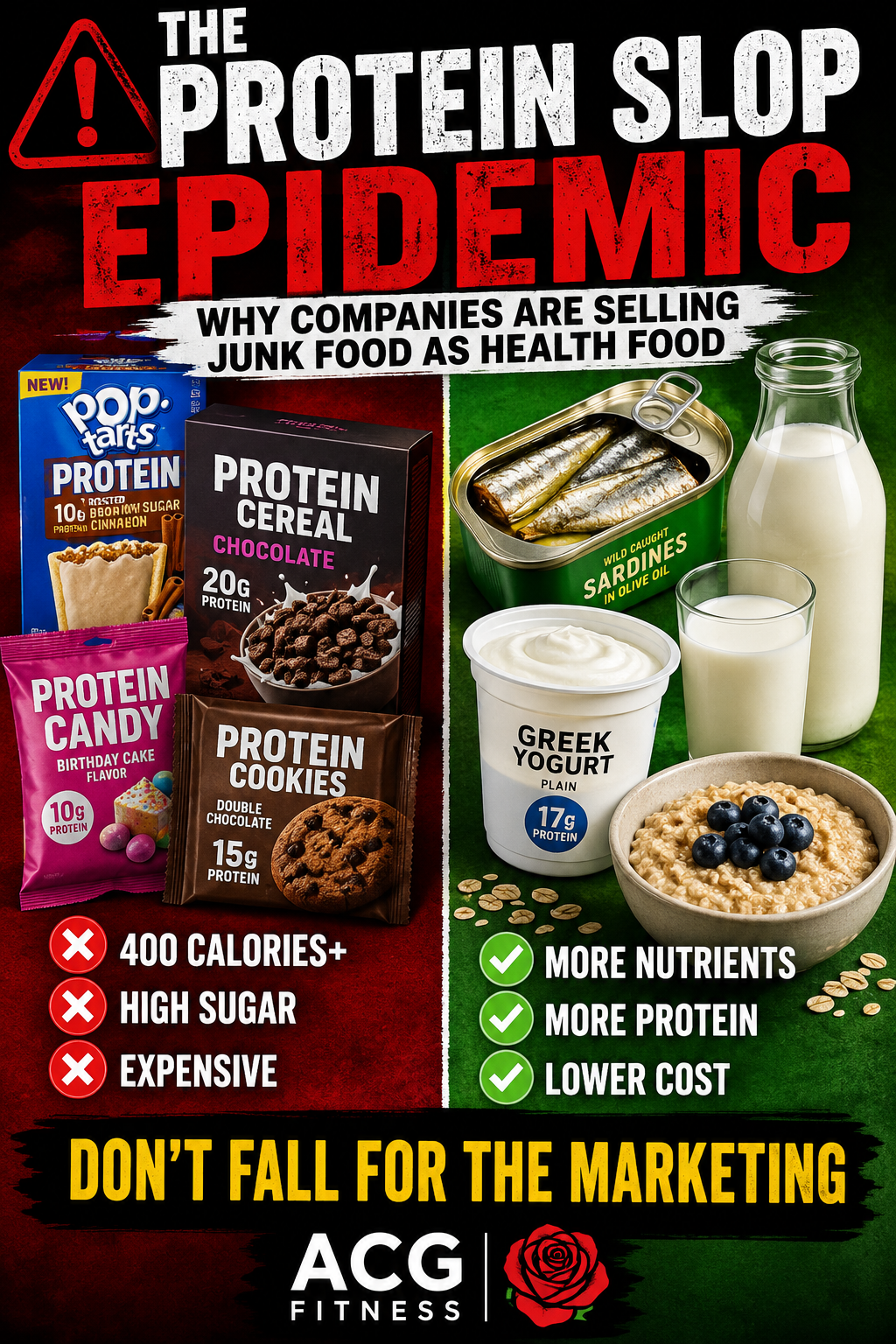
It’s seeing all of these new junk food products masquerading as healthy because some soulless corporation slaps “high protein” on the box and calls it a day.
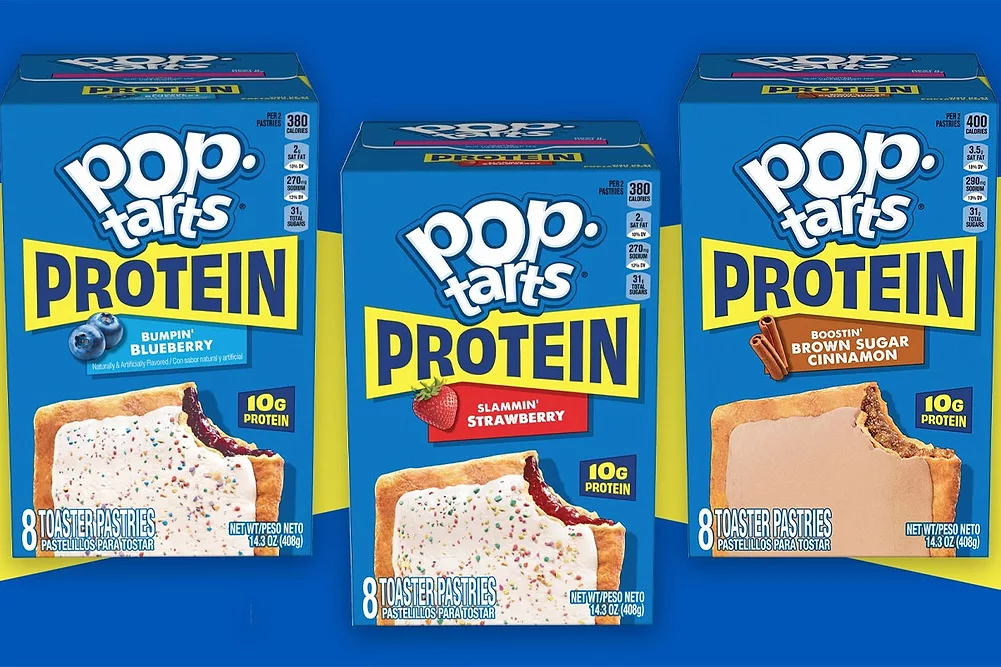
Protein Pop-Tarts.
Protein cereal.
Protein candy.
Protein cookies.
Protein chips.
Protein ice cream.
At this point, I’m expecting protein ketchup, protein toothpaste, and protein motor oil by next year.
Don’t get me wrong. Protein is important. Long-time ACG Fitness readers know I’ve written extensively about the importance of protein for muscle growth, recovery, healthy aging, and even surviving the protein shortage we’ve been dealing with lately.
But somewhere along the way, things got weird.
Companies realized that fitness is popular. They realized consumers are paying attention to protein. They realized gym-goers, athletes, and people trying to lose weight are actively looking for high-protein foods.
And instead of encouraging people to eat more chicken, fish, Greek yogurt, milk, eggs, or other real protein foods…
they decided to take junk food, sprinkle in some extra protein powder, double the price, and market it as a health food.
Welcome to the Protein Slop Epidemic.
In this article, we’re going to talk about what protein slop actually is, why these protein products are suddenly everywhere, whether high-protein snacks are actually healthy, and how you can save money by avoiding some of the biggest protein marketing traps on the market today.
What Is Protein Slop?
Before some angry fitness influencer accuses me of being anti-protein, let me be clear:
I love protein.
Protein helps build muscle, supports recovery, keeps you full longer, and becomes even more important as we age.
The problem isn’t protein.
The problem is protein slop.
Protein slop is what happens when food companies take an already heavily processed product, add a little extra protein, and suddenly market it as a health food.
It’s the nutritional equivalent of putting racing stripes on a minivan and calling it a sports car.
A Pop-Tart is still a Pop-Tart.
A candy bar is still a candy bar.
A sugary bowl of cereal is still a sugary bowl of cereal.
Adding 10 or 15 grams of protein doesn’t magically transform junk food into a superfood.
Yet that’s exactly what many companies want you to believe.
And unfortunately, they’re succeeding.
Walk through any grocery store today and you’ll see entire sections dedicated to:
- protein cereal
- protein cookies
- protein chips
- protein candy
- protein brownies
- protein ice cream
Everything is protein now.
Why?
Because protein sells.
For years, the average consumer was told to avoid fat. Then carbs became the villain. Now protein is the nutrient everyone is chasing.
And to be fair, they’re not wrong to care about protein.
The problem is that food companies saw this trend and immediately went into gold-rush mode.
Instead of asking:
“How can we help people eat healthier?”
They asked:
“How can we sell more products?”
That’s how we ended up with a grocery store full of protein slop.
Not because the world suddenly needed protein candy bars.
Because companies realized they could charge premium prices for ordinary foods by adding one word to the package:
Protein.
And honestly, this is the part that bothers me the most.
Not the protein cereal.
Not the protein Pop-Tarts.
Not even the protein candy bars.
What bothers me is that many of these companies are taking advantage of people who genuinely want to improve their health.
Think about it.
Most people buying these products aren’t professional bodybuilders. They’re ordinary people trying to lose weight, build muscle, age healthier, or simply make better food choices for themselves and their families.
They see words like:
- High Protein
- Muscle Building
- Fitness Friendly
- Healthy Choice
And they assume they’re making a smart decision.
But in many cases, they’re simply paying more money for a product that isn’t much different from the original version sitting right next to it on the shelf.
That’s what makes the Protein Slop Epidemic so frustrating.
Instead of teaching people how to eat more real protein foods like fish, Greek yogurt, milk, eggs, or lean meats, companies are teaching consumers to associate health with packaging.
And when profits become more important than helping people make informed decisions, consumers are often the ones who pay the price.
The Protein Math Doesn’t Add Up
Let’s start with protein Pop-Tarts.
Depending on the brand, you’re looking at roughly 10 grams of protein, 380 to 400 calories, and over 30 grams of sugar.
Now maybe it’s just me, but on what planet is that considered a health food?
If you’re trying to lose weight, why would you spend nearly 400 calories on something that provides less protein than a cup of Greek yogurt?
And if you’re trying to build muscle, there are dozens of cheaper and more nutritious ways to get 10 grams of protein.
Then there’s protein cereal.
Most protein cereals contain around 10 to 11 grams of protein per serving, but some cost as much as $10 a box.
Ten dollars!
Meanwhile, you could make a bowl of oats and milk for a fraction of the cost.
Not only would it be cheaper, but milk contains a surprising amount of high-quality protein on its own. In fact, I’ve written an entire article about the benefits of milk and why it remains one of the most underrated foods for muscle growth.
The point isn’t that protein Pop-Tarts or protein cereal are evil.
The point is that many of these products are marketed as revolutionary health foods when they’re often just ordinary foods with a little extra protein added and a much higher price tag attached.
That’s the Protein Slop Epidemic in a nutshell.
Real Food Still Wins
Here’s the biggest problem with protein slop that nobody talks about.
Food is supposed to do more than provide protein.
A lot of these high protein snacks are marketed as if protein is the only nutrient that matters.
It isn’t.
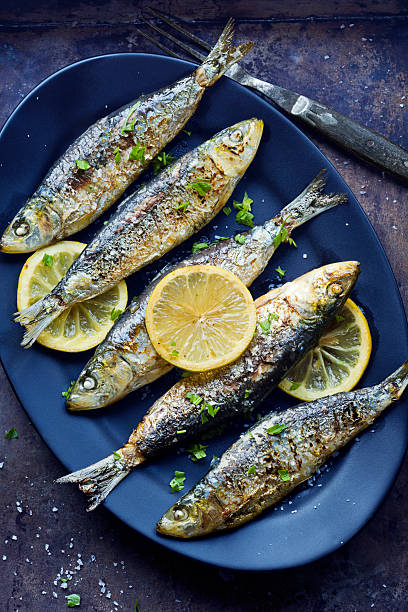
Let’s compare a can of sardines to a protein cookie.
The sardines don’t just give you protein.
They also provide:
- omega-3 fatty acids
- vitamin B12
- calcium
- selenium
- vitamin D
And depending on the brand, you can get around 20 grams of protein for roughly $1.50.
Now compare that to a protein cookie.
Sure, it might contain 10 or 15 grams of protein.
But what else are you getting?
Usually:
- refined ingredients
- added sugars
- artificial flavors
- preservatives
The same thing applies to milk.
Many people overlook milk because it isn’t flashy.
Nobody is making viral TikToks about a glass of milk.
But milk contains high-quality protein, calcium, potassium, phosphorus, and several important vitamins all in one affordable package.
The same goes for foods like:
- Greek yogurt
- eggs
- chicken
- cottage cheese
- fish
- beef liver
These foods don’t need flashy marketing campaigns.
They’ve been helping people build muscle and stay healthy for decades. And they are affordable protein sources.
And here’s the funny part.
Many of these real foods are actually cheaper than the latest protein snacks being pushed on social media.
Imagine that.
The foods your grandparents ate are still outperforming many of the “revolutionary” protein products being sold today.
Who would have guessed?
At the end of the day, protein slop gives you protein.
Real food gives you protein plus everything else your body needs to thrive.
That’s a trade I’ll take every single time.
When Protein Products Actually Make Sense

Now before the protein bar industry sends a hit squad after me, let me clarify something.
I’ve talked about protein bars, protein shakes, and protein snacks on ACG Fitness before.
In fact, I’ve recommended several of them.
So I’d be a complete hypocrite if I sat here and told you every protein product on the market is bad.
They’re not.
The problem isn’t protein products.
The problem is bad protein products.
Take Quest Bars for example.
A typical Quest Bar contains around 20 grams of protein and roughly 200 calories.
Now compare that to a protein Pop-Tart.
Around 10 grams of protein.
Nearly 400 calories.
And over 30 grams of sugar.
So let me ask you a question.
If you’re trying to lose weight, build muscle, or simply eat healthier, which option makes more sense for breakfast?
The bar that gives you twice the protein for roughly half the calories?
Or the glorified dessert disguised as a fitness food?
Look, I get it.
As someone who absolutely hates cooking, I understand the appeal of grabbing a protein Pop-Tart on your way out the door in the morning.
Convenience matters.
Not everyone has time to meal prep chicken, make eggs, or cook a gourmet breakfast before work.
But there are better ways to hit your protein goals.
That’s where products like Quest Bars, protein shakes, and other high-quality protein snacks can actually help.
In fact, I’ll link some of my favorite Quest Bars below along with my article on the best protein snacks if you’d like to learn more.
And if you’re looking for one of the most affordable ways to increase your protein intake, I highly recommend checking out MyProtein.
Their protein powders are affordable, taste great, and pair perfectly with a Quest Bar when you’re short on time but still want a high-protein breakfast or post-workout snack.
No protein candy bars pretending to be health food.
Just a simple way to get more protein into your day without breaking the bank.
The key is learning the difference between products that support your goals and products that simply use the word “protein” as a marketing strategy.
Unfortunately, many consumers never learn the difference.
The Real Cost of Protein Slop
The biggest problem with the Protein Slop Epidemic isn’t the Pop-Tarts.
It isn’t the cereal.
It isn’t the cookies.
It’s the confusion.
Because the more companies slap the word “protein” on everything, the harder it becomes for people to figure out what actually matters.
Somewhere along the way, we’ve convinced people that if a product contains protein, it must automatically be healthy.
That’s simply not true.
Protein is important.
But protein is only one piece of the puzzle.
A product can contain protein and still be:
- high in sugar
- highly processed
- expensive
- low in nutrients
Unfortunately, many consumers never learn to look beyond the marketing.
They see “High Protein” on the front of the package and never bother turning it around to read the nutrition label.
That’s exactly what these companies are counting on.
And in today’s economy, that confusion can get expensive.
Groceries are already costing more.
The Protein Shortage is driving prices higher.
Inflation continues to squeeze household budgets.
The last thing most people need is to spend extra money on products that don’t deliver much value in return.
This is why I keep coming back to the same advice.
Focus on the basics.
Milk.
Greek yogurt.
Chicken.
Fish.
Sardines.
Eggs.
Cottage cheese.
Oats.
Simple foods that have helped people build muscle, lose weight, and stay healthy long before anyone thought to put protein in a Pop-Tart.
Because at the end of the day, your body doesn’t care about fancy packaging.
It doesn’t care about fitness buzzwords.
And it certainly doesn’t care about what some marketing department printed on the front of a box.
Your body cares about nutrients.
Your wallet cares about value.
And both are usually better served by real food than the latest protein trend.
And in today’s economy, that confusion can get expensive.
Groceries are already costing more.
The Protein Shortage is driving prices higher, making it even more important to spend your food budget wisely. In fact, I recently wrote an article about the Protein Shortage and how you can fight back without sacrificing your gains. Be sure to check that out if you’re looking for affordable ways to hit your protein goals.
Inflation continues to squeeze household budgets.
The last thing most people need is to spend extra money on products that don’t deliver much value in return.
Frequently Asked Questions
What is protein slop?
Protein slop is a term used to describe heavily processed foods that are marketed as healthy simply because they contain added protein. Examples include protein Pop-Tarts, protein cereal, protein candy, protein cookies, and other products that use protein as a marketing tool despite offering limited nutritional value.
Are high-protein snacks healthy?
Some are and some aren’t.
The word “protein” on the package doesn’t automatically make a food healthy. It’s important to look at the entire nutrition label, including calories, sugar, ingredients, and overall nutrient content.
A Quest Bar, for example, is very different from a protein Pop-Tart, even though both contain added protein.
Are protein bars bad for you?
Not necessarily.
Many protein bars can be a convenient way to increase protein intake, especially when you’re busy or traveling. The key is choosing bars with a good protein-to-calorie ratio and reasonable ingredients.
I’ve written about some of my favorite protein snacks and bars elsewhere on ACG Fitness, which I’ll link below.
Is protein cereal healthy?
It depends on the brand.
Some protein cereals provide a decent amount of protein, but many are also expensive and highly processed. In many cases, a simple bowl of oats and milk can provide protein, fiber, and nutrients for a lower cost.
What are the best real-food protein sources?
Some of my favorites include:
Sardines
Greek yogurt
Milk
Eggs
Chicken
Cottage cheese
Fish
Beef liver
These foods provide protein along with vitamins, minerals, healthy fats, and other nutrients that many processed protein foods lack.
How much protein do I actually need?
Despite what some fitness influencers might tell you, most people don’t need one gram of protein per pound of body weight.
For muscle growth, health, and healthy aging, most people can make excellent progress consuming moderate amounts of protein from whole foods. Usually .7-.8 grams of protein per pound of body weight is enough.
If you’re concerned about rising protein costs, check out my article on the
where I discuss affordable protein sources and practical ways to hit your protein goals without breaking the bank.
Conclusion: Don’t Fall For The Protein Slop Epidemic
Look, I’m not anti-protein.
If anything, I’ve spent years telling people to eat MORE protein.
Protein helps build muscle, supports recovery, keeps you full, and becomes even more important as we age.
The problem is that somewhere along the way, food companies figured out that they could take almost any product, add a little extra protein, slap a fitness label on the box, and charge you more money for it.
That’s the Protein Slop Epidemic.
And unfortunately, a lot of people are falling for it.
Before you buy the latest protein cereal, protein cookie, or protein Pop-Tart, take a moment and ask yourself a simple question:
Am I buying this because it’s actually helping me reach my goals?
Or am I buying it because the word “protein” is printed on the package?
Sometimes convenience is worth paying for.
Sometimes a Quest Bar, protein shake, or other high-quality protein snack can absolutely help you stay on track.
But more often than not, the best protein sources are still the boring ones.
Milk.
Greek yogurt.
Chicken.
Fish.
Sardines.
Eggs.
Cottage cheese.
The foods that have helped people build muscle and stay healthy for generations before anyone decided we needed protein candy bars.
In a world full of protein slop, don’t forget the basics.
Your body doesn’t care about marketing.
Your muscles don’t care about fancy packaging.
And your wallet certainly doesn’t care about fitness buzzwords.
Focus on real food, spend your money wisely, and don’t let some corporate marketing department convince you that a protein Pop-Tart is a health food.
Now if you’ll excuse me, I’m off to patent protein toothpaste before somebody else beats me to it.
Action Creates Greatness.



One thought on “👉 The Protein Slop Epidemic of 2026: How Companies Are Selling Junk Food As Health Food”