Introduction
If someone asked you to name the most important muscles to strengthen as you get older, your hands probably wouldn’t make the list. However, your grip strength may be one of the clearest indicators of how well you’re aging.
Research has found that grip strength is linked to overall muscle function, independence, and healthy aging. While having a strong grip won’t guarantee you’ll live a longer life, losing grip strength over time can make everyday tasks like carrying groceries, opening jars, lifting luggage, or even catching yourself during a fall much more difficult.
As someone who has been strength training for over 10 years, grip strength is something I’ve developed naturally through years of lifting, hanging from pull-up bars, and challenging myself with bodyweight exercises. Today, I can dead hang for around 90 seconds and perform 20+ pull-ups, but that didn’t happen overnight. It came from consistently improving my grip strength over the years.
The good news is that you don’t need to be able to do 20 pull-ups to benefit from stronger hands. Whether your goal is to lift heavier weights, improve your athletic performance, or simply stay independent as you age, building your grip strength is one of the smartest investments you can make in your long-term health.
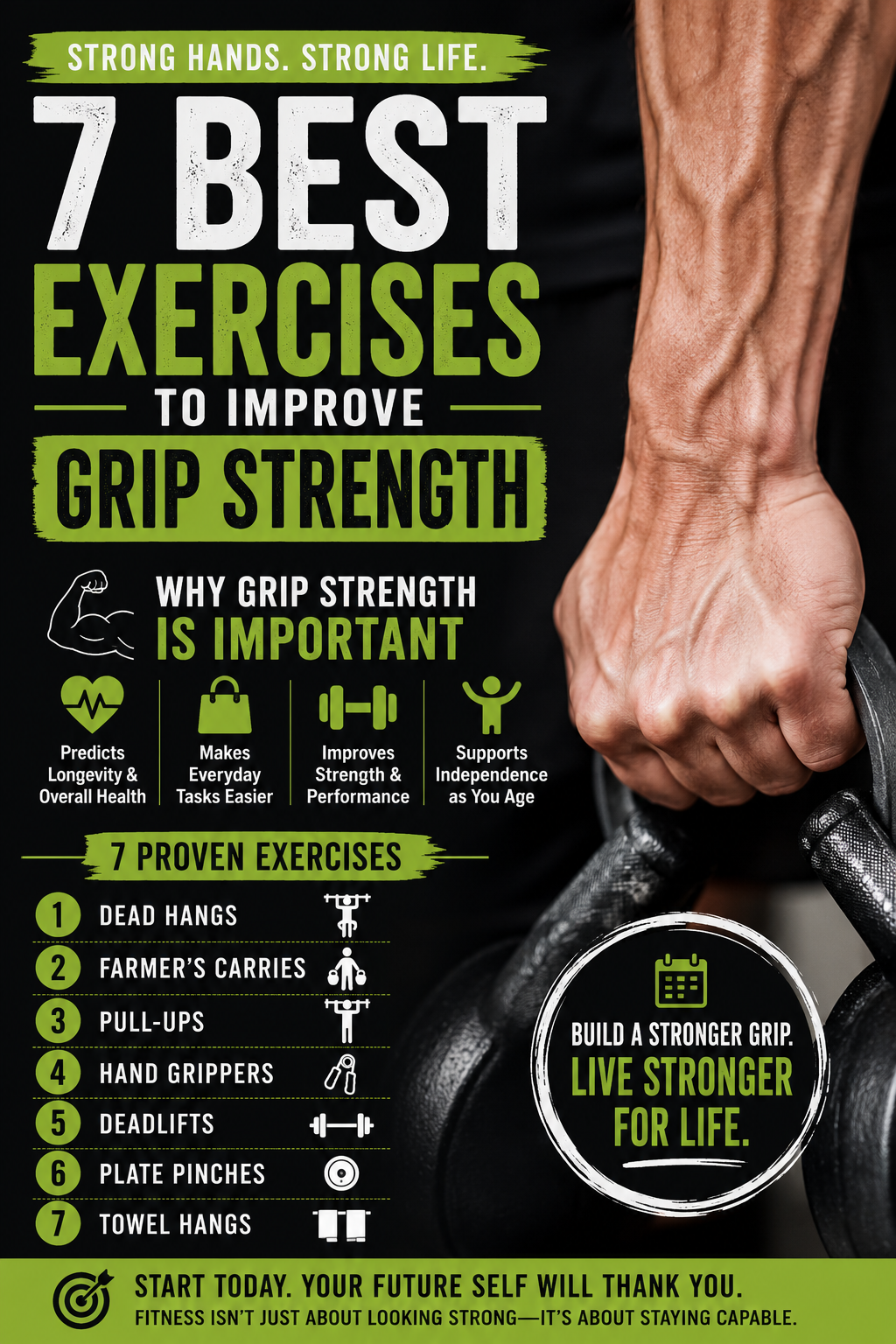
In this guide, you’ll learn how to improve grip strength, why it matters for longevity, and seven of the best grip strength exercises you can start using today.
Why Is Grip Strength Important?
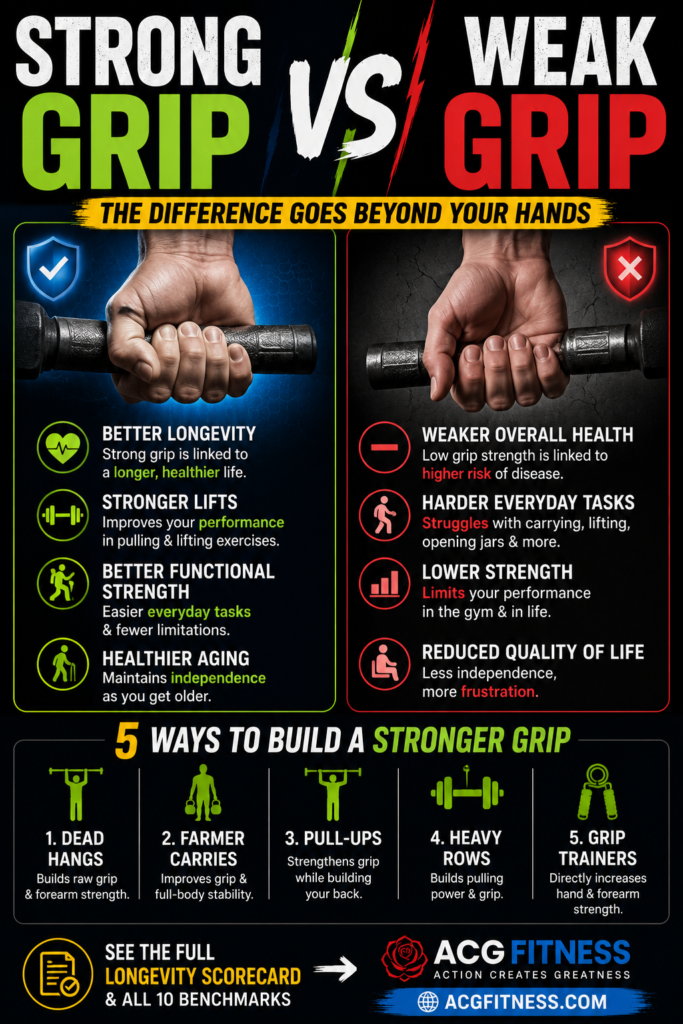
Grip strength is much more than having a firm handshake. It reflects your overall muscle strength and has become one of the most studied measurements in healthy aging. While it isn’t the only factor that determines your health, researchers have consistently found that stronger grip strength is associated with better physical function, greater independence, and a lower risk of disability as we get older.
One of the biggest reasons grip strength matters is because it affects many of the everyday tasks we often take for granted. Carrying groceries, lifting luggage into an overhead compartment, opening stubborn jars, gardening, picking up grandchildren, or simply maintaining your balance all require strength in your hands and forearms. As grip strength declines with age, these routine activities can become increasingly difficult.
Grip strength also plays a major role in your performance in the gym. Nearly every major compound exercise depends on your ability to hold onto the weight. Deadlifts, pull-ups, rows, farmer’s carries, and even heavy dumbbell exercises all rely on a strong grip. In many cases, your hands will fatigue before your larger muscles do, limiting how much weight you can lift and how many repetitions you can perform.
In our 10 Longevity Benchmarks Everyone Should Track article, we included grip strength as one of the most important indicators of healthy aging because it provides valuable insight into overall physical function. Improving your grip strength won’t guarantee a longer life, but it is one of the simplest and most practical ways to measure and maintain functional strength throughout your lifetime.
Whether your goal is to become stronger in the gym or remain active and independent well into your later years, building your grip strength is an investment that pays dividends far beyond your forearms.
Research Spotlight: A large body of research has found that lower grip strength is associated with a higher risk of disability, frailty, and mortality in older adults. While grip strength alone doesn’t determine your health, it has become one of the simplest tools researchers use to evaluate functional aging.
In fact, a large systematic review and meta-analysis published in the BMJ analyzed data from more than 50,000 participants and found that people with weaker grip strength had a significantly higher risk of all-cause mortality than those with stronger grips. The researchers concluded that grip strength can be a useful tool for identifying individuals at a higher risk of adverse health outcomes. The BMJ Study
How to Test Your Grip Strength
Before you begin working to improve your grip strength, it’s helpful to know where you currently stand. The most accurate way to perform a grip strength test is by using a hand grip dynamometer, a device commonly used by physical therapists, sports medicine professionals, and researchers to measure hand strength.
To perform the test, simply squeeze the dynamometer as hard as you can with one hand while keeping your arm at your side. Repeat the test two or three times with each hand and record your best score. Tracking your results every few months is an excellent way to measure your progress as your strength improves.
If you don’t own a dynamometer, don’t worry. There are several practical ways to estimate your grip strength at home.
Practical Grip Strength Tests
- Dead Hang Test: Hang from a pull-up bar using an overhand grip for as long as possible without letting go.
- Farmer’s Carry: Carry a pair of heavy dumbbells for distance or time while maintaining good posture.
- Pull-Up Performance: While pull-ups measure much more than grip strength, struggling to hold onto the bar often indicates that grip endurance may be a limiting factor.
Personally, I like using the dead hang test because it requires very little equipment and is easy to track over time. After years of strength training, I’ve worked my way up to hanging from a pull-up bar for about 90 seconds. While that’s certainly not required to live a healthy life, it gives me a simple benchmark that I can continue improving as I get older.
Remember, your goal isn’t to compare yourself to someone else. The most important measurement is whether your grip strength is improving over time. Even small improvements can make everyday tasks easier and support your long-term health.
Want to see how your grip compares? Check out our 10 Longevity Benchmarks Everyone Should Track, where we include simple performance standards to help you measure your overall health and fitness.
7 Grip Strength Exercises to Build Stronger Hands
Whether your goal is to lift heavier weights, improve your athletic performance, or maintain your independence as you age, these grip strength exercises can help you build stronger hands, wrists, and forearms. The best part is that many of them require little to no equipment and can easily be added to your current workout routine.
1. Dead Hangs (Best Overall Grip Strength Exercise)
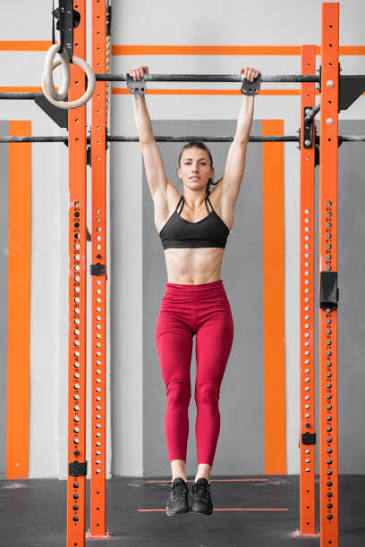
If I could recommend just one exercise to improve your grip strength, it would be the dead hang. This simple exercise strengthens your hands, fingers, wrists, forearms, shoulders, and upper back all at the same time while also improving shoulder stability.
To perform a dead hang, grab a pull-up bar with an overhand grip and allow your body to hang naturally while keeping your shoulders engaged. Hold the position for as long as you can with good form before safely lowering yourself back down.
When I first started lifting over 10 years ago, I couldn’t hang from a pull-up bar for very long. Like most exercises, it simply took consistency. Today, I can hold a dead hang for around 90 seconds, and I believe it’s one of the biggest reasons my grip strength has improved over the years.
If you’re just getting started, don’t worry about reaching a specific time. Aim for 15 to 30 seconds, rest, and repeat for 3–5 sets. As your grip gets stronger, gradually increase the amount of time you spend hanging.
Why Dead Hangs Work
- Strengthen your hands, wrists, and forearms
- Improve grip endurance
- Build shoulder stability
- Require no expensive equipment
- Easy to measure your progress over time
2. Farmer’s Carries (Best Functional Grip Strength Exercise)
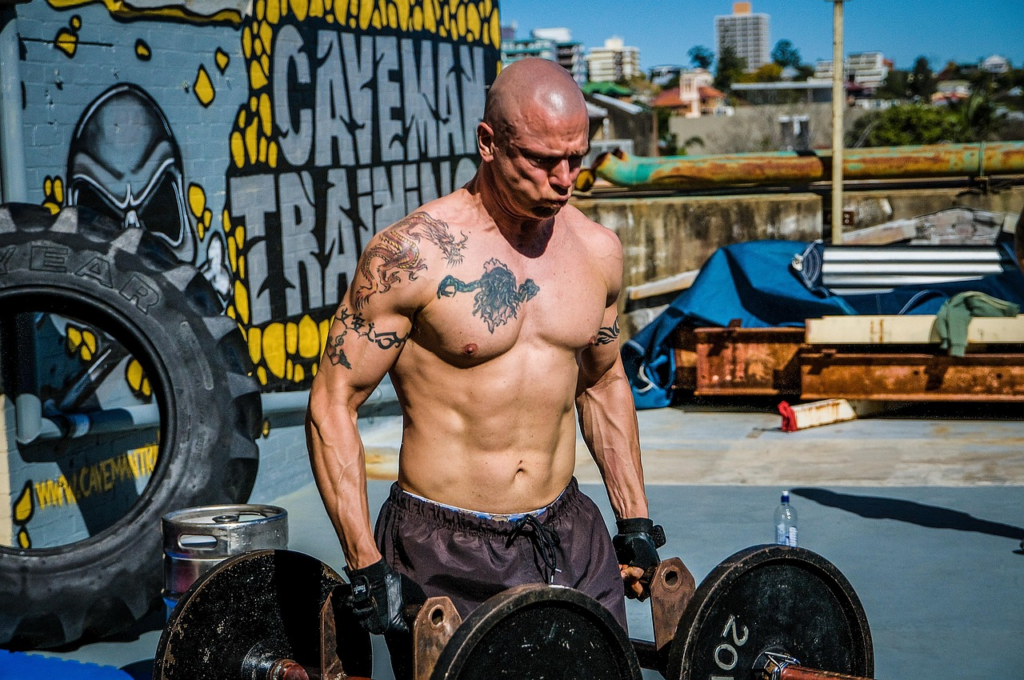
If you’re looking for one of the best grip strength exercises that also improves your overall fitness, look no further than the farmer’s carry. This simple movement builds grip strength while strengthening your forearms, shoulders, core, and legs, making it one of the most functional exercises you can perform.
To perform a farmer’s carry, grab a pair of heavy dumbbells or kettlebells and walk forward while maintaining an upright posture. Keep your shoulders back, your chest up, and your core engaged throughout the movement. As the weight becomes more challenging, your abdominal muscles, obliques, and lower back must work together to stabilize your body and prevent you from leaning from side to side.
One of the reasons I like farmer’s carries so much is because they closely mimic everyday life. Whether you’re carrying grocery bags, lifting luggage, moving heavy boxes, or carrying multiple shopping bags into the house, you’re constantly relying on your grip strength and core stability to get the job done. That’s one of the reasons this exercise is so valuable for both athletes and older adults looking to maintain their independence.
If you’re wondering how to build grip strength, farmer’s carries should absolutely be part of your routine. Start with a weight you can comfortably carry for 20–30 seconds, rest, and repeat for 3–5 rounds. As your grip becomes stronger, gradually increase either the weight or the distance you carry.
Why Farmer’s Carries Work
- Improve grip strength and grip endurance
- Build functional strength for everyday activities
- Strengthen your core by resisting side-to-side movement
- Improve posture and balance
- Strengthen your shoulders, traps, and upper back
- Easy to progress by increasing the weight or distance
3. Pull-Ups (Build Grip Strength While Building Muscle)
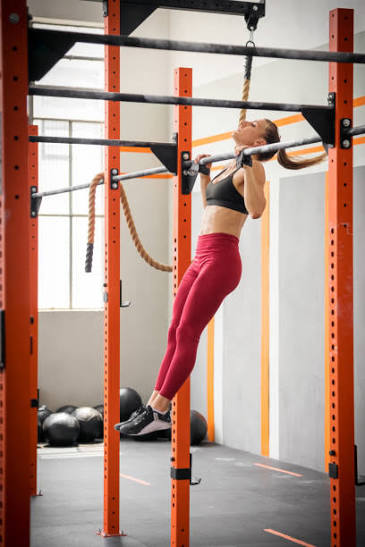
If you’ve been practicing dead hangs, you’re already laying the foundation for stronger pull-ups. As your grip strength improves, you’ll be able to hang onto the bar longer, perform more repetitions, and spend more time training the muscles that make pull-ups one of the best upper-body exercises you can do.
Pull-ups are one of the most effective grip strength exercises because they require you to support your entire body weight while simultaneously training your back, biceps, shoulders, forearms, and core. Every repetition challenges your hands and forearms to maintain a firm grip, making pull-ups an excellent way to improve grip strength while building functional muscle.
One benefit that many people overlook is how much pull-ups can contribute to forearm development. While pull-ups won’t give everyone massive forearms overnight, consistently gripping and supporting your body weight places significant tension on the muscles of your hands and forearms. Over time, this can help build stronger, thicker forearms while improving your grip endurance.
Personally, I believe my ability to perform 20+ pull-ups today started long before I reached that milestone. Spending years improving my dead hang time strengthened my grip and made it much easier to stay on the bar during pull-up workouts. If your hands are giving out before your back and arms become fatigued, improving your grip strength could be the missing piece.
If you can’t perform a full pull-up yet, don’t get discouraged. Start with assisted pull-ups, resistance bands, or negative repetitions where you slowly lower yourself from the top position. As your grip becomes stronger, you’ll likely notice improvements not only in your pull-up performance but also in other exercises like rows, deadlifts, and farmer’s carries.
Why Pull-Ups Work
- Improve grip strength by supporting your full body weight
- Help increase pull-up strength and endurance
- Build stronger, thicker forearms over time
- Strengthen your back, biceps, shoulders, and core
- Complement dead hangs by turning grip endurance into pulling strength
- Easy to modify for beginners using bands or an assisted pull-up machine
4. Hand Grippers (Best Isolation Exercise for Grip Strength)
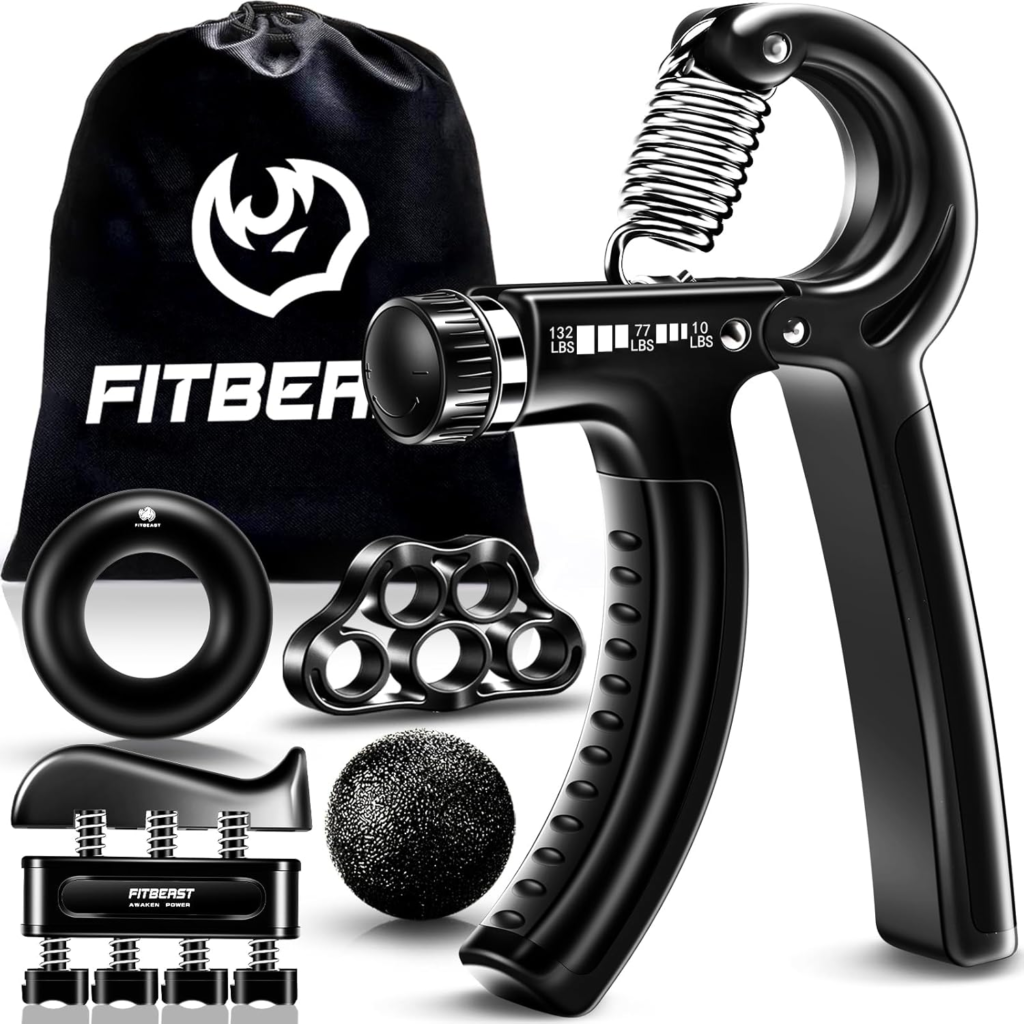
If you’re looking for a simple way to build grip strength at home or while working, a quality hand gripper is one of the best tools you can own. While compound exercises like dead hangs and pull-ups should be the foundation of your routine, hand grippers are an excellent way to add extra grip training without spending additional time in the gym.
Using a hand gripper is simple. Hold the handles in one hand and squeeze them together until they touch, then slowly return to the starting position. Focus on controlled repetitions instead of rushing through each squeeze, and be sure to train both hands equally.
One of the biggest advantages of hand grippers is convenience. Personally, I like to keep one at my desk while I’m working. Whenever I have a few free minutes between tasks, I’ll pick it up and perform a few sets. It only takes a minute or two, but those small training sessions add up over time and can make a noticeable difference in your grip strength.
However, I wouldn’t rely on hand grippers alone. If your goal is to improve grip strength for everyday life or athletic performance, they should complement exercises like dead hangs, farmer’s carries, and pull-ups rather than replace them. Those compound movements challenge your grip in more functional ways while strengthening multiple muscle groups at the same time.
Why Hand Grippers Work
- Improve crushing grip strength
- Strengthen the muscles in your hands and forearms
- Portable and easy to use almost anywhere
- Easy to progressively overload by increasing resistance
- Excellent accessory exercise to complement compound lifts
Check out this one here that I use myself on Amazon for $10: Grip Strengthener
5. Deadlifts (Build Grip Strength While Getting Stronger)
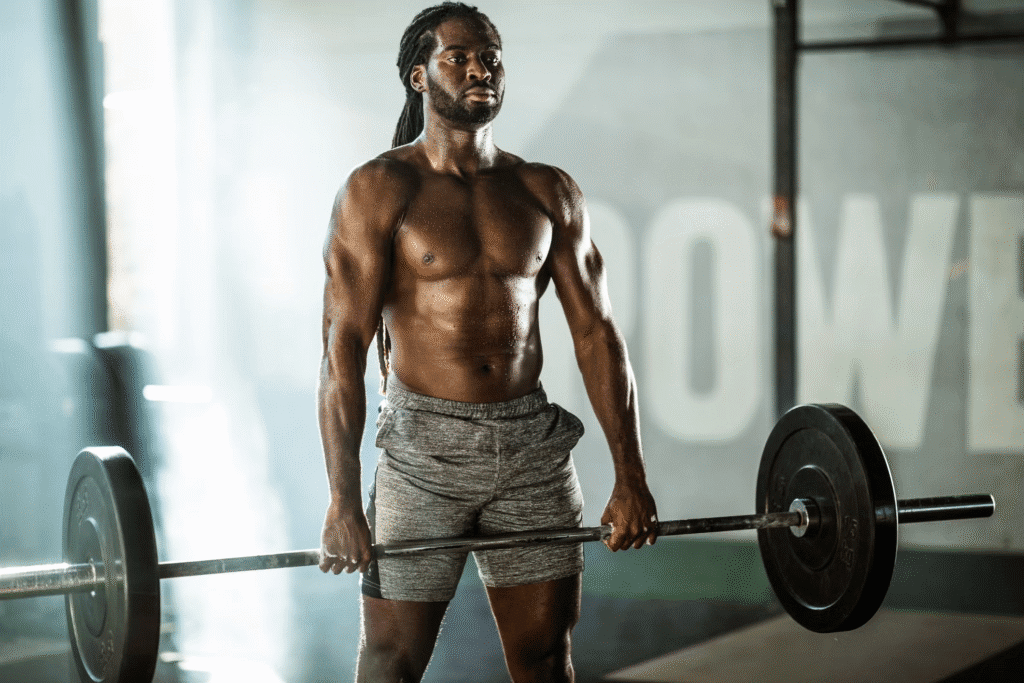
If your goal is to build grip strength while increasing total-body strength, few exercises can compete with the deadlift. This classic compound lift challenges nearly every major muscle group while forcing your hands and forearms to hold onto heavy weight throughout each repetition.
As you become stronger, you’ll often notice something interesting. Your legs and back may be capable of lifting more weight, but your hands are the first muscles to give out. That’s one of the reasons deadlifts are such an effective grip strength exercise—they continuously challenge your grip as the weight gets heavier.
Whenever possible, I recommend performing your warm-up and working sets without lifting straps. This allows your hands and forearms to adapt naturally as your overall strength improves. Lifting straps certainly have their place, especially during very heavy sets or high-volume training, but relying on them for every workout may limit how much your grip develops over time.
Deadlifts also carry over into everyday life. Picking up heavy boxes, moving furniture, lifting bags of mulch, or carrying awkward objects all require a combination of lower-body strength and a secure grip. Improving both at the same time is one of the reasons this exercise remains a staple in so many strength-training programs.
Why Deadlifts Work
- Build grip strength while increasing total-body strength
- Strengthen your forearms, back, glutes, hamstrings, and core
- Improve your ability to lift and carry heavy objects
- Naturally progress as you become stronger
- Excellent for developing functional strength
Tip: Don’t avoid lifting straps forever, but don’t reach for them too early either. Let your grip become the limiting factor on some of your lighter and moderate-weight sets before using straps on your heaviest lifts.
6. Plate Pinches (Build Finger and Pinch Grip Strength)
When most people think about how to improve grip strength, they focus on crushing strength or hanging from a pull-up bar. However, your pinch grip—the ability to hold an object using only your fingers and thumb—is just as important for everyday life.
Plate pinches are exactly what they sound like. Grab one or two weight plates with the smooth sides facing outward and pinch them between your thumb and fingers. Hold the plates for as long as possible before setting them down and repeating for several rounds.
This exercise may look simple, but don’t let that fool you. Your fingers, thumb, and forearm muscles will begin working almost immediately to keep the plates from slipping. As your pinch grip improves, you’ll notice that many everyday activities become easier.
This is another reason why grip strength is important. Whether you’re carrying grocery bags by the handles, opening a stubborn jar, gripping a steering wheel, holding onto your phone, or carrying a suitcase through the airport, your hands rely on different types of grip strength—not just crushing power. Training your pinch grip helps prepare your hands for these real-world situations.
If you’re new to plate pinches, start with lighter weight plates and focus on holding them for 15–30 seconds. As your grip becomes stronger, gradually increase either the weight or the amount of time you hold the plates.
Why Plate Pinches Work
- Improve pinch grip strength
- Strengthen your fingers, thumbs, and forearms
- Enhance hand coordination and control
- Carry over to everyday tasks that require fine grip strength
- Help develop well-rounded grip strength alongside dead hangs and farmer’s carries
7. Towel Hangs (Advanced Grip Strength Exercise)
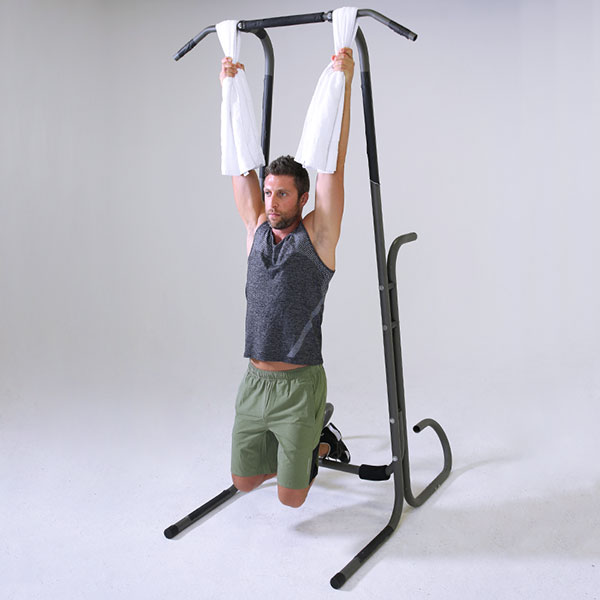
If you’ve mastered the traditional dead hang and are looking for a new challenge, towel hangs are one of the best grip strength exercises you can add to your routine. By hanging from two towels draped over a pull-up bar instead of gripping the bar directly, your hands, fingers, wrists, and forearms have to work significantly harder to support your body weight.
To perform a towel hang, securely loop two sturdy towels over a pull-up bar and grip one towel in each hand. Hang with your shoulders engaged and hold the position for as long as possible while maintaining good form. Since the towels are much thicker than a standard pull-up bar, your grip muscles must generate more force to prevent your hands from slipping.
One of the reasons I like towel hangs is because they challenge your grip in a completely different way than traditional hanging exercises. They improve crushing strength, grip endurance, and finger strength while also strengthening your shoulders, upper back, and core. If your goal is to continue improving after you’ve mastered standard dead hangs, towel hangs are an excellent next step.
Remember why grip strength is important. Whether you’re lifting weights, carrying heavy grocery bags, climbing, or simply trying to maintain your independence as you age, stronger hands make everyday tasks easier. Exercises like towel hangs prepare your grip for real-world situations where objects aren’t always perfectly shaped like a barbell or dumbbell.
Why Towel Hangs Work
- One of the most challenging grip strength exercises
- Build crushing grip and finger strength
- Improve grip endurance
- Strengthen your shoulders, upper back, and core
- Excellent progression after mastering dead hangs
How to Build Grip Strength Faster
Now that you know some of the best grip strength exercises, the next question is: how do you actually build grip strength as quickly and safely as possible? Like every other muscle group, your hands and forearms become stronger by consistently challenging them over time. The key isn’t doing dozens of grip exercises every day—it’s following a smart, progressive plan.
1. Train Your Grip 2–3 Times Per Week
Your hands and forearms recover faster than larger muscle groups, but they still need time to adapt. For most people, training grip directly 2–3 times per week is plenty, especially if you’re already performing exercises like deadlifts, pull-ups, rows, and farmer’s carries.
2. Use Progressive Overload
One of the biggest mistakes people make is performing the same exercise with the same weight every week. If you want to build grip strength, gradually increase the challenge over time by:
- Hanging for a few more seconds during dead hangs.
- Carrying heavier dumbbells during farmer’s carries.
- Using a stronger hand gripper.
- Adding more repetitions or sets.
Small improvements each week can lead to significant gains over several months.
3. Don’t Rely on Lifting Straps Too Soon
Lifting straps can be a useful tool for very heavy deadlifts or high-volume back workouts, but if you use them on every set, your grip may never have the opportunity to improve naturally.
Whenever possible, perform your warm-up sets and moderate-weight working sets without straps. Save them for your heaviest lifts when your grip would otherwise prevent you from safely completing the exercise.
4. Eat Enough Protein to Support Muscle Growth
Your forearms and hands are muscles just like every other part of your body. If your goal is to increase strength, you’ll need adequate protein to support muscle repair and recovery.
Most active adults looking to build muscle should aim for sufficient daily protein intake while following a consistent strength-training program. If you’re unsure where to start, be sure to check out our guide on how much protein you really need to build muscle.
5. Be Patient and Stay Consistent
Perhaps the most important tip is to stay consistent. Improving grip strength doesn’t happen overnight. It may take weeks or even months before you notice significant improvements, but if you continue challenging yourself, you’ll likely find that everyday tasks become easier, your lifts become stronger, and your confidence in the gym continues to grow.
Remember, why grip strength is important goes far beyond having stronger forearms. Better grip strength can improve your performance in the gym, make everyday activities easier, and help you maintain your independence as you age. That’s why it’s one of the most valuable yet overlooked aspects of a well-rounded fitness program.
💪 Want a Complete 30-Day Grip Strength Plan?
If you’re serious about building stronger hands and bigger forearms, I’ve put together a 10-page Grip Strength Guide that walks you through the exact system I use to improve grip strength.
Inside you’ll find:
✅ A 30-day grip strength roadmap
✅ Step-by-step exercise demonstrations
✅ Farmer carries, dead hangs, wrist curls, plate pinches, and more
✅ Coaching tips to improve your results
✅ A simple, mobile-friendly guide you can take with you to the gym
👉 Download the Build Crushing Grip Strength & Bigger Forearms in 30 Days Guide Here
Frequently Asked Questions
How long does it take to improve grip strength?
Most people begin noticing improvements in their grip strength within 4–8 weeks of consistent training. The exact timeline depends on your current fitness level, training frequency, and whether you’re progressively increasing the difficulty of your workouts. Like any other muscle group, your hands and forearms become stronger with patience and consistency.
Can you improve grip strength at any age?
Yes. Whether you’re in your 20s or your 70s, it’s never too late to improve grip strength. While muscle mass naturally declines with age, strength training can help slow that process and improve your ability to perform everyday activities. This is one of the reasons why grip strength is important for healthy aging and maintaining independence.
What is the best exercise to improve grip strength?
If I had to recommend just one exercise, it would be the dead hang. It requires very little equipment, is easy to track over time, and strengthens your hands, wrists, forearms, shoulders, and upper back all at once. Combined with exercises like farmer’s carries and pull-ups, it’s one of the most effective ways to build grip strength.
Should I train grip strength every day?
Not necessarily. While your forearms recover relatively quickly, most people only need to train grip strength directly 2–3 times per week. Remember that exercises like deadlifts, pull-ups, rows, and farmer’s carries already provide a significant amount of grip training.
Does grip strength really predict longevity?
Research suggests that grip strength is associated with healthy aging, physical function, and overall mortality risk. While a strong grip doesn’t guarantee a longer life, it has become one of the simplest and most widely used tools researchers use to assess overall physical function. That’s why we included it in our 10 Longevity Benchmarks Everyone Should Track article.
Conclusion
Improving your grip strength is one of the simplest investments you can make in your long-term health. Whether your goal is to lift heavier weights, perform more pull-ups, carry groceries with ease, or maintain your independence as you age, stronger hands will benefit you both inside and outside the gym.
As someone who has spent more than 10 years strength training, I’ve seen firsthand how consistently working on my grip has improved my performance. I didn’t wake up one day able to dead hang for 90 seconds or perform 20+ pull-ups. Those milestones came from years of consistently challenging myself with exercises like dead hangs, pull-ups, farmer’s carries, and heavy compound lifts.
The good news is that you don’t need to be an athlete to experience the same benefits. Whether you’re just beginning your fitness journey or looking to stay strong well into your later years, the exercises in this guide can help you improve grip strength and support a healthier, more active lifestyle.
If you’re serious about healthy aging, don’t stop with your grip strength. Be sure to check out our guide on the 10 Longevity Benchmarks Everyone Should Track, where we cover other important measurements like resting heart rate, walking speed, sleep quality, and more. Together, these benchmarks can give you a better picture of your overall health and help you stay strong for years to come.
Remember, fitness isn’t just about looking stronger, it’s about staying capable. Building your grip strength today is one small step that can make a big difference in your quality of life tomorrow.


One thought on “How to Improve Grip Strength: 7 Best Exercises for Strength and Longevity”