Introduction
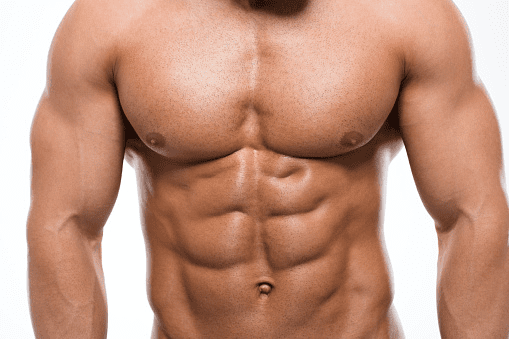
What do all superheroes have in common? I mean aesthetically. Whether it’s Superman, Batman, or even anime legends like Goku — they all have one thing that makes them look unstoppable: a big chest. That plate-of-armor look sends a signal that this guy is strong, powerful, and not someone you want to mess with.
Now, you might not be saving the world from villains, but if you’ve ever wondered how to get a bigger chest, the blueprint is actually pretty simple. It’s not about throwing random exercises together or endlessly maxing out your bench press. It’s about training smart, eating right, and building that superhero chest step by step.
That’s exactly what this guide is about. Here’s my Bigger Chest Blueprint — 7 steps to build size and strength so you can start filling out your shirt like the heroes you grew up watching.
Chest Anatomy 101 (A Little Science Lesson)
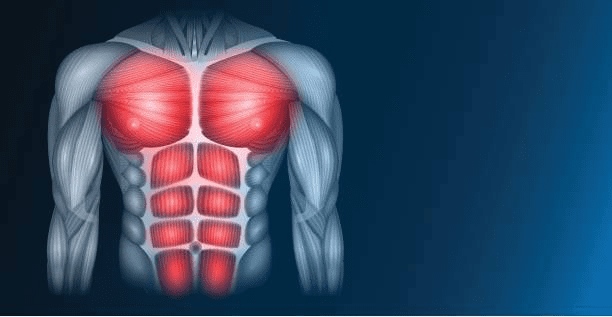
Before we dive into the workouts, let’s break down the chest so you know what you’re really training.
Your chest muscles (the pectorals) are made up of two main parts:
- Pectoralis Major – the big muscle that gives your chest its size and shape. It has two key areas:
- Upper Chest (clavicular head): This is what creates that superhero “armor plate” look. Most lifters agree it’s the hardest to grow and the most important for aesthetics and a bigger chest.
- Middle/Lower Chest (sternal head): Adds width and thickness. Some people say you don’t need to isolate it much since flat and incline pressing hit it already. Personally, I love dips for lower chest development, but I haven’t touched a decline chest press in years. Later in this post, I’ll share another tip that helps your lower chest look more defined without endless decline pressing.
- Pectoralis Minor – a smaller muscle that sits under the pec major. You don’t see it, but it helps stabilize your shoulders and pressing strength.
Bottom line: If you want that superhero chest, prioritize the upper and mid-chest but don’t completely ignore the lower portion — dips are a great way to hit it without overcomplicating your training.
Step 1: Master Progressive Overload
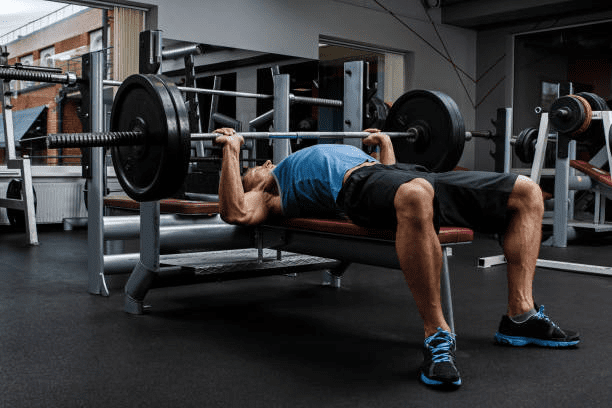
If you want to know how to get a bigger chest, here’s the golden rule: you need to get stronger over time. That’s what progressive overload is all about — gradually adding more weight, more reps, or more volume to force your chest muscles to adapt and grow.
But here’s where chest training is different from arms: the weights are heavier, the movements are bigger, and failing on a chest lift can put you in a scary spot.
The bench press is the king of chest exercises, but if you push to failure with no spotter, you’re risking a barbell pinning you to the bench. That’s why I personally prefer dumbbells. If the weight is too much, I can just drop them safely to the side (though some gyms hate when you do that… looking at you, Planet Fitness).
Still, the barbell bench press has its place. It lets you move the most weight, and that means maximum overload. The key is safety: always have a spotter. Don’t be afraid to ask someone in the gym — it doesn’t make you any less of a superhero. In fact, most people see it as a compliment that you trust them to help you push past your limits.
Bottom line: Progressive overload is about pushing your numbers higher, but do it smart. Whether you prefer dumbbells or barbells, track your progress, ask for help when you need it, and keep challenging your chest to grow.
Step 2: Prioritize the Upper Chest
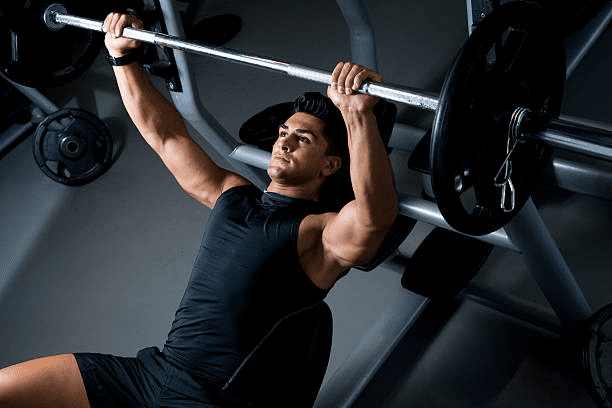
If you want that superhero “armor plate” look, the upper chest is the key. A thick upper chest rounds out your pecs, gives your torso that powerful shape, and makes it obvious you lift even when you’re wearing a t-shirt.
The problem? The upper chest is also the most neglected — and often the hardest to grow. Most lifters hammer flat bench over and over but skip incline work, which leaves their chest looking flat instead of full.
To build it up, you need to hit it directly:
- Incline Barbell or Dumbbell Press: Keep the bench at a 30–45 degree angle. Dumbbells give you a deeper stretch, barbells let you push more weight.
- Incline Flys: Great for stretching and squeezing the muscle fibers.
- Incline Cable Press/Fly: My personal favorite — cables keep constant tension on your pecs the whole way through.
Pro tip: Don’t let your shoulders take over. Keep your chest up, elbows tucked slightly in, and really focus on driving with your pecs. This is where that mind-muscle connection pays off big time.
If you’re serious about building a bigger chest, make incline work the first pressing movement in your workout. By prioritizing the upper chest early, you’ll build the kind of pecs that look like superhero armor.
Step 3: Use Dumbbells for Growth (But Don’t Skip the Barbell)
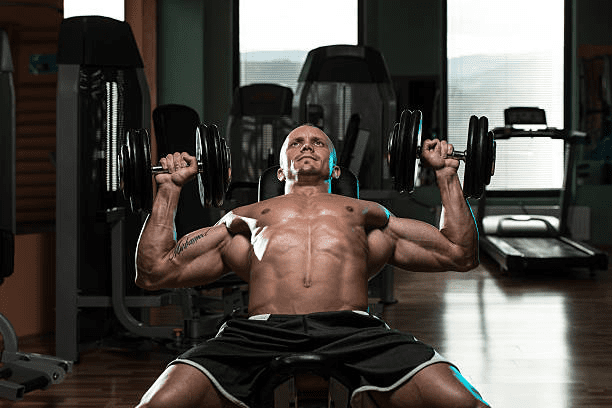
When it comes to building a bigger chest, both dumbbells and barbells have their place. But if I had to choose one for pure muscle growth, I’d go with dumbbells.
Why? Dumbbells give you a greater range of motion. You can lower them deeper for a better stretch and bring them together at the top for a stronger contraction. That constant movement through the full range is gold for muscle building. Plus, if the weight is too heavy, you can safely drop them to the side without risking your chest under a bar. (Though yeah, some gyms hate when you do that — looking at you again, Planet Fitness.)
That said, don’t count the barbell out. The barbell bench press lets you move the heaviest weight, which is essential for progressive overload. More weight equals more tension on the muscle, and that means growth. The trade-off is you’re locked into a fixed bar path, which limits range of motion compared to dumbbells.
My advice: Use both. Start your workout with barbells when your strength is highest, then switch to dumbbells for the stretch and squeeze. That way you get the best of both worlds — raw power and full development.
Pro tip: If you don’t have a spotter, stick with dumbbells. They’re safer and still incredibly effective for chest growth.
Step 4: Use Cables and Machines for Constant Tension
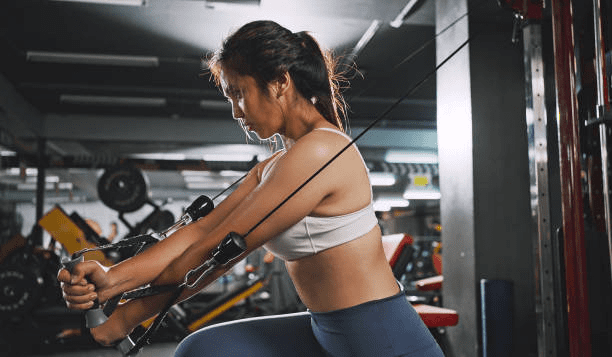
If you really want to know how to get a bigger chest, you can’t rely only on free weights. Barbells and dumbbells are amazing for strength and size, but they don’t always keep tension on your chest through the entire range of motion. That’s where cables and machines shine.
With a barbell or dumbbell press, the hardest part of the lift is usually at the bottom, and the top becomes easier because gravity isn’t pulling directly on your chest anymore. Cables and machines fix that problem by keeping constant resistance from start to finish.
Some of my favorite chest-builders:
- Cable Flys (high-to-low, mid, or low-to-high): These hit your chest from multiple angles and keep your pecs under tension the entire way.
- Chest Press Machine: Allows you to go heavy safely without worrying about a spotter. Great for pushing past failure.
- Pec Deck (Machine Fly): Perfect for focusing on the squeeze and building that inner chest line.
Pro tip: Use cables and machines at the end of your chest workout to burn the muscle out after your heavy presses. Think of them as your finisher — the moves that carve out definition and bring that 3D look to your pecs.
Step 5: Build a Strong Mind-Muscle Connection
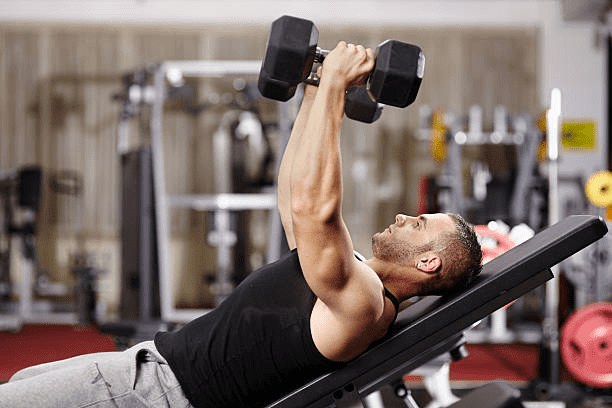
I know the research on the mind-muscle connection is mixed, but here’s the deal: it works for me, and I believe it can work for you too. When you slow down, focus on your form, and actually think about the muscle you’re trying to train, you’ll get a much better contraction.
In my How to Get Bigger Arms post, I talked about how concentrating on the biceps or triceps during curls and extensions made a huge difference in my growth. The same goes to get a bigger chest. If you’re just throwing weight around, your shoulders and triceps will take over. But if you lock in mentally, keep your chest up, and really squeeze your pecs on every rep, that’s when you’ll feel the difference.
It’s not about lifting the heaviest weight possible with sloppy form — it’s about controlling the weight and owning the movement. Imagine your pecs pushing the weight, not your arms or shoulders.
Pro tip: On flys, especially cable flys, hold the contraction for one extra second at the top. That pause forces you to stay connected and keeps tension right where you want it — on the chest.
Step 6: Train Chest More Than Once a Week
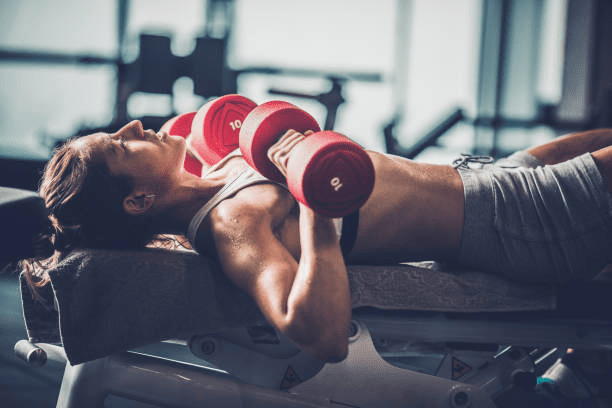
If you’ve been stuck hitting chest only on “International Chest Day” (aka Monday), it’s time to rethink your routine. If you want to know how to get a bigger chest, you need to train it often enough to actually grow.
The chest, like most muscle groups, responds well to twice-a-week training. Once a week might be enough for beginners, but if you’ve been lifting for a while and want to break through plateaus, bumping it up to two sessions can make a huge difference.
Here’s a simple way to structure it:
- Day 1 (Heavy/Strength Focus): Barbell or dumbbell presses with progressive overload. Think lower reps, heavier weight.
- Day 2 (Hypertrophy/Volume Focus): More dumbbell work, cables, machines, and fly variations with moderate weight and higher reps.
This way, you’re hitting your chest with both strength and volume — the best of both worlds.
Pro tip: Space your chest sessions out by at least 48 hours. For example, hit chest on Monday and then again on Thursday or Friday. That gives your muscles enough time to recover while still doubling the growth stimulus.
Step 7: Fuel Your Chest Growth with Nutrition & Recovery
You can crush every workout, but if your nutrition isn’t on point, your chest won’t grow. Building muscle takes fuel — and if you want to know how to get a bigger chest, this is where many people drop the ball.
The most important piece is protein. Your pecs need amino acids to repair and grow after you tear them down in the gym. Aim for around 0.8–1 gram of protein per pound of bodyweight per day. For example, if you weigh 170 lbs and train hard, you’ll want around 150–170 grams of protein daily.
Here are some of my go-to lean protein sources:
- Chicken breast
- Turkey
- Salmon
- Beef liver (packed with nutrients and affordable)
- High-quality protein powder
And let’s be honest — hitting protein goals every single day can be tough. That’s why I rely on MyProtein’s powders and supplements to fill in the gaps. They’re affordable, taste great, and make it way easier to stay consistent.
Protein Intake Calculator
Most people underestimate how much protein they really need to grow muscle. If you want to build a bigger chest, hitting your protein goal every single day is just as important as lifting weights. Use this simple calculator to find out how much protein you need.
Struggling to hit your daily protein goal?
Get 40% Off MyProtein — Use Code MYPAFF
Finally, don’t forget recovery. Your chest won’t grow if you’re not sleeping enough, hydrating, and giving your muscles time to rebuild. The magic doesn’t happen in the gym — it happens in the hours after, when your body is repairing itself.
FAQ: How to Get a Bigger Chest
How much protein do I need to build a bigger chest?
To build a bigger chest (or any muscle), aim for 0.8–1 gram of protein per pound of bodyweight per day. For example, if you weigh 170 lbs and train hard, that’s around 150–170 grams daily.
👉 Use our Protein Intake Calculator above to find your exact number. If you’re not hitting it through whole foods, supplements like MyProtein (40% off with code MYPAFF) can help fill the gap.
What’s better for chest growth: dumbbells or barbells?
Both are great, but they serve different purposes.
Barbells allow you to move heavier weight, which is perfect for progressive overload.
Dumbbells give you a greater range of motion and a better stretch and contraction.
Ideally, combine both: start with barbell bench when you’re strongest, then switch to dumbbells for maximum growth.
How often should you train chest to make it bigger?
Most people only train chest once a week, but for optimal growth, aim for twice per week. Split it up:
One heavy/strength-focused day.
One hypertrophy/volume-focused day.
Just make sure you leave at least 48 hours between chest sessions for recovery.
Do you need to train the lower chest?
Some argue you don’t need to isolate the lower chest since flat and incline pressing already hit it. While that’s partly true, movements like dips are fantastic for rounding out your chest and giving it that full, balanced look.
(And if you really want more definition in that area, training your upper abs can also help create separation between your chest and midsection — more on that in a future post.)
Conclusion: Build Your Superhero Chest
If you’ve made it this far, you now know exactly how to get a bigger chest — and not just any chest, but the kind that looks like superhero armor. It’s not about one magic exercise. It’s about mastering progressive overload, prioritizing your upper chest, using the right tools (dumbbells, barbells, cables), and training with intention.
Remember, your chest won’t grow overnight. This takes patience, consistency, and the willingness to push yourself week after week. But if you fuel your body with enough protein, recover properly, and track your progress, the results will come.
Don’t just read this and move on — take action.
✅ Use the Protein Calculator above to set your daily target.
✅ Grab a quality protein source like MyProtein (40% off with code MYPAFF) if you’re falling short.
✅ And if you want weekly tips, motivation, and exclusive content, join the ACG Fitness Newsletter — because Action Creates Greatness.
Your superhero chest is waiting. The only question is: are you ready to build it?