💬 Introduction
If you’re living with obesity, chances are you’ve already heard it all:
“Eat less, move more.”
“Just count your calories.”
“You just need more willpower.”
Let’s cut the noise.
Obesity isn’t just about willpower — and the truth is, most of the advice out there is built for people who aren’t walking in your shoes. This guide is different. It’s built for people who are tired of being talked down to, misled, or ignored. People who are ready to take their health seriously — but on their terms, with a plan that actually respects where they’re starting from.
We’re not here to sell you a miracle fix. We’re here to lay out a realistic, step-by-step path based on science, not shame. One that takes into account how your body actually works when you’re dealing with obesity — from hormones and metabolism to energy, stress, and mental health.
If you’re still reading, you’re not lazy — you’re looking for a way forward.
This is it. Let’s take the first step together.
🧠 Step 1: Understand What Obesity Actually Is — And What It Isn’t

Before you can change your body, you need to understand what’s really happening inside it.
Obesity isn’t just the result of overeating or laziness — despite what the fitness world or certain influencers might say. It’s a complex medical condition that involves hormones, metabolism, genetics, environment, and even psychology. Yes, calories matter — but how your body responds to those calories matters just as much.
For example:
- Your body might be resisting weight loss due to chronically elevated insulin levels.
- You may be dealing with leptin resistance, which blunts your hunger signals and makes you feel hungry even when you’re not under-eating.
- Years of stress, poor sleep, or trauma can affect your cortisol levels, making fat loss even harder.
- And let’s not forget the social stigma and shame that can keep people from even starting a fitness journey.
Obesity doesn’t mean you’re weak or broken — it means your body has adapted to survive in an environment that’s constantly working against you. The good news? With the right approach, you can reverse that process. But it starts by ditching the guilt and learning the truth about what you’re up against.
This isn’t about blaming yourself. It’s about equipping yourself — with real knowledge, not judgment — so the rest of this guide actually works.
📋 Step 2: Start by Tracking — Not Changing

Most weight loss advice jumps straight to “cut calories” or “start a workout plan.” But if you’ve been living with obesity, your first step shouldn’t be restriction — it should be awareness.
Before you change anything, spend 3–5 days simply tracking what you eat and how you move. That’s it. No pressure. No judging yourself. Just data.
Here’s why this matters:
- It gives you a realistic picture of where you are — not where you think you are.
- It helps you spot patterns: emotional eating, late-night snacking, big weekend blowouts, etc.
- It builds self-awareness and trust — because change is easier when it’s built on truth.
You can use an app like MyFitnessPal, write everything down in a notebook, or even take photos of your meals. Whatever works for you. This isn’t about perfection — it’s about getting honest with yourself.
And here’s the key: do not beat yourself up about what you see. You’re not tracking to punish yourself. You’re tracking to take control.
Because once you know what your habits look like, you can finally start making smart, effective adjustments — not random guesses.
Real change starts with real information.
⚖️ Step 3: Create a Gentle Calorie Deficit

Now that you’ve tracked your habits, it’s time to make your first real adjustment — and no, it’s not about starving yourself.
To lose weight, you do need to consume fewer calories than you burn. That’s a scientific fact. But here’s what most people get wrong:
They go too hard, too fast.
They cut 1,000+ calories overnight, skip meals, and start extreme workout plans they can’t maintain. Then their energy crashes, hunger skyrockets, and they end up right back where they started.
That’s not a failure — that’s biology.
The smarter move?
Start with a gentle calorie deficit of about 300 to 500 calories per day.
For many people with obesity, this is enough to see progress without feeling miserable — and more importantly, it’s sustainable.
🛠 How to Do This:
- Use a calorie-tracking app like MyFitnessPal to see where your calories are coming from and how to reduce them strategically.
- Use an electronic smart scale to measure on nly your weight but body fat as well.
- If tracking feels overwhelming, try this instead:
- Take photos of your meals for one week.
- Then, aim to make each future meal slightly smaller or slightly healthier.
- One of the easiest ways to cut calories? Drink more water.
- Many people mistake thirst for hunger.
- Try drinking a full glass of water before and after each meal — this alone can help reduce overeating significantly.
👉 For simple, low-cost ideas to start your day right, check out our guide:
10 Quick, Affordable Breakfasts Under $2 to Help You Lose Weight
🥩 Step 4: Prioritize Protein and Fiber — Not Just Fewer Calories

Cutting calories is only part of the puzzle. What you eat matters just as much as how much. If your meals leave you hungry, drained, or constantly craving more, the deficit won’t last. That’s why two key nutrients — protein and fiber — need to become your best friends.
🧠 Why Protein Matters:
- Helps preserve muscle as you lose fat — keeping your metabolism strong.
- Keeps you full longer, which naturally reduces overeating.
- Helps reduce cravings, especially for sugar and processed snacks.
Looking for a simple way to add more protein? Try a high-quality protein powder — it’s one of the easiest, cheapest ways to get 20–30g of protein in a single shake.
👉 Recommended Protein Powder on Amazon
🌿 Why Fiber Matters:
- Adds volume without excess calories.
- Slows digestion to control hunger and blood sugar.
- Supports gut health — which affects everything from mood to metabolism.
You can also consider a fiber supplement if your diet is low in whole foods.
👉 Recommended Fiber Supplement on Amazon
🍓 The Berry Advantage:

One of the easiest and most enjoyable changes you can make to your diet?
Eat more berries.
Blueberries, raspberries, blackberries, and strawberries are:
- High in antioxidants and vitamins
- Naturally sweet (great for curbing sugar cravings)
- Packed with fiber
- Low in calories
Strawberries, in particular, are also rich in water, making them a perfect post-meal dessert that satisfies your sweet tooth and helps keep you hydrated.
Try keeping a bowl of mixed berries in your fridge or freezer — they’re great in smoothies, yogurt bowls, or just eaten on their own.
Small upgrades to your food — like adding more protein and fiber — will make your calorie deficit easier, more satisfying, and more effective long term.
🚶♂️ Step 5: Move More — Without Killing Yourself

You don’t need to hit the gym six days a week or jump into high-impact workouts to lose weight. In fact, that kind of thinking is what burns people out — especially if you’re starting from a place of low energy, joint pain, or years of inactivity.
The truth is, when you’re living with obesity, movement is already harder — but that doesn’t mean it’s impossible. And you don’t need to suffer to make progress.
🧠 The Science Behind Movement and Fat Loss
Exercise helps with weight loss, but not just because it burns calories. It also:
- Improves insulin sensitivity, making your body more efficient at using fuel
- Reduces inflammation and cortisol
- Boosts energy, confidence, and mental clarity
🔑 Start With Low-Impact, High-Reward Movement:
- Walking is one of the best and safest fat-burning tools. Start with just 5–10 minutes a day — even walking around your house counts.
- Zone 2 cardio is ideal for people with obesity. It keeps your heart rate in the fat-burning zone without overexertion.
👉 Want to learn more?
Check out our guide:
What Is Zone 2 Cardio? The Fat-Burning Workout That’s Actually Sustainable
📲 Why a Heart Rate Monitor Can Help
Knowing if you’re in the right heart rate zone makes your workouts more effective — especially for Zone 2 training. A good heart rate monitor helps you:
- Stay in the ideal fat-burning range
- Avoid overtraining or pushing too hard
- Track your daily movement, calorie burn, and heart health
- Measure progress over time — even before the scale starts to move
👉 Recommended wearable:
Top-Rated Heart Rate Monitor on Amazon
👉 Or see our full list:
Top 10 Fitness Watches for Zone 2 Cardio in 2025
🔄 Boost Your Daily Movement (NEAT)
Even non-exercise movement matters. This includes all the calories you burn just living your life:
- Walking while on calls
- Standing up during commercials
- Cleaning your space for 10 minutes
- Taking the stairs instead of the elevator
These small changes are low effort but high reward — and they help build real momentum without overwhelming your body.
You don’t need a gym. You don’t need pain. You just need motion — and consistency.
💪 Step 6: Add Strength Training to Protect Muscle

Here’s something most people don’t tell you: losing weight without strength training can actually make your body weaker.
When you lose weight, you’re not just losing fat — you’re also at risk of losing muscle. And muscle is your metabolic engine. It helps you:
- Burn more calories at rest
- Support your joints and mobility
- Prevent injuries
- Stay strong and independent as you age
If you’re living with obesity, you likely already have more muscle than you realize — just from carrying extra weight. But if you don’t train those muscles, you’ll lose them along with the fat. That’s why strength training is non-negotiable for long-term success.
💡 And Yes — It’s Okay to Want to Look Better Too

Let’s be honest. While the main goal is improving your health, there’s nothing wrong with wanting to look better, feel more confident, or like what you see in the mirror.
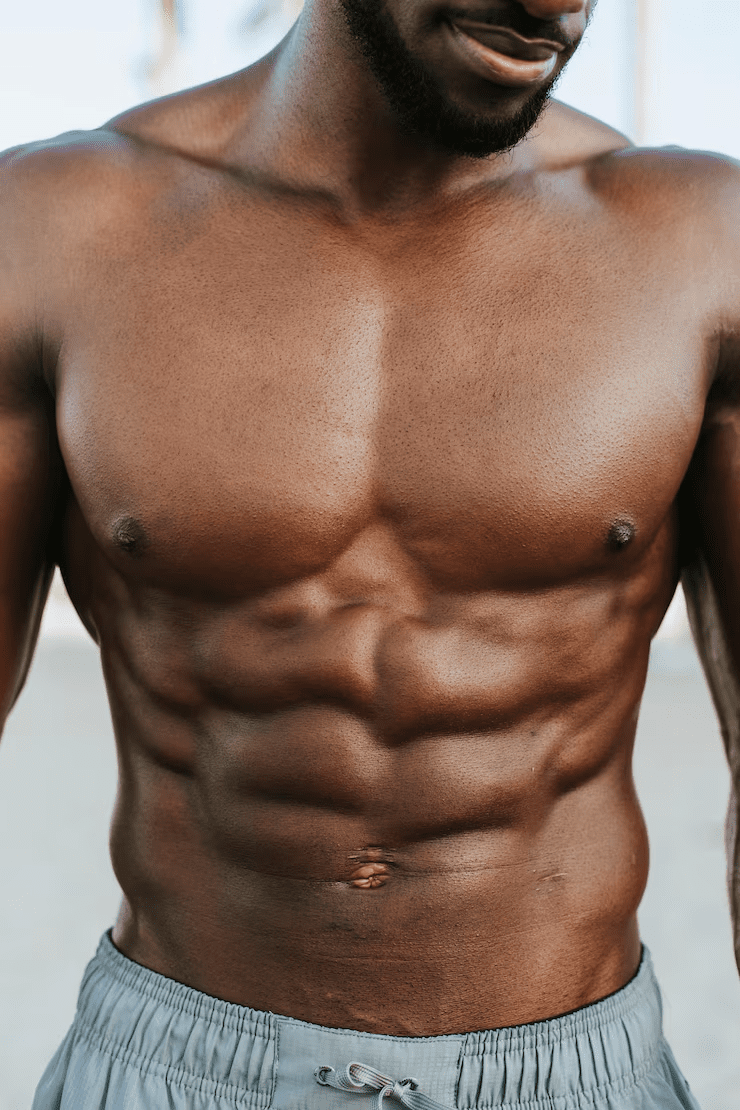
Two people can both weigh 200 pounds — but the one with more muscle and less fat will not only look better but usually feel stronger, more energized, and healthier overall.
For example:
- 200 lbs at 15% body fat = muscular, lean, defined
- 200 lbs at 30% body fat = less muscle tone, lower energy, higher health risk
Muscle gives your body shape and strength. It’s what keeps you from feeling “skinny-fat” after losing weight.
🧠 Other Benefits of Lifting Weights:
- Improves bone density and joint health
- Boosts testosterone and metabolism (especially important for men)
- Increases mental resilience and self-confidence
- Helps fight depression and anxiety
🛠 How to Start:
- Bodyweight movements: wall sits, chair squats, incline pushups
- Resistance bands: low-impact, perfect for beginners
👉 Top-Rated Resistance Bands on Amazon - Adjustable dumbbells: grow with your progress
👉 Beginner Dumbbell Set on Amazon - Strength training from a chair or in water: great for joint support
Start with 2–3 short sessions per week, 15–20 minutes at a time. Focus on form, slow progress, and consistency — not perfection.
Cardio helps you lose weight. Strength training changes your life. Don’t skip the weights.
🕵️ Step 7: Fix the Hidden Saboteurs (Sleep, Stress, and Self-Sabotage)

You can track calories, eat protein, and exercise every day — but if you’re constantly exhausted, stressed out, or emotionally drained, your results will suffer.
That’s because weight loss doesn’t happen in a vacuum — it happens inside a body that’s trying to survive. And if your body feels unsafe, overwhelmed, or depleted, it will fight you every step of the way.
Let’s look at the most common hidden saboteurs that silently derail even the most determined efforts:
😴 Poor Sleep
- Less than 6–7 hours of sleep per night increases hunger hormones (ghrelin) and reduces fullness hormones (leptin).
- Lack of sleep increases cravings for carbs and sugary foods.
- Tired people tend to move less and snack more — and the scale reflects it.
🛏️ Fix it:
- Go to bed and wake up at consistent times
- Limit screens 1 hour before bed
- Try magnesium or a relaxing nighttime routine
😰 Chronic Stress
Stress raises cortisol, which can:
- Increase belly fat storage
- Trigger emotional eating
- Interfere with sleep and hormone balance
😌 Fix it:
- Get outside for 10 minutes of fresh air daily
- Try deep breathing, journaling, or short walks
- Lift weights or hit the gym — it’s a natural stress reliever
🔁 Self-Sabotage and the “All-or-Nothing” Trap
You’ve probably been here: One off day turns into a “screw it” week. You feel like a failure. You give up until the next Monday.
But here’s the truth: One bad meal doesn’t ruin your progress. Quitting does.
🧠 Fix it:
- Expect setbacks — they’re part of the process
- Celebrate small wins (like drinking more water or hitting a step goal)
- Don’t aim for perfection. Aim for better than yesterday
If your body isn’t recovering, it won’t let go of fat. Respect your rest, manage your stress, and give yourself the grace to try again — not give up.
✅ Quick Recap: 7 Realistic Steps to Lose Weight When You Have Obesity
Let’s bring it all together. You don’t need to be perfect — just consistent, informed, and committed to small changes that stack up over time.
Here’s your roadmap:
- Understand What Obesity Actually Is
→ It’s not just about willpower — it’s biological, hormonal, and environmental. - Start by Tracking — Not Changing
→ Awareness before action. Track meals, photos, or habits for clarity. - Create a Gentle Calorie Deficit
→ Cut 300–500 calories a day without starving or stressing your body. - Prioritize Protein and Fiber
→ Stay full, preserve muscle, and nourish your body with smart food choices. - Move More — Without Killing Yourself
→ Walking, Zone 2 cardio, and daily movement count more than you think. - Add Strength Training to Protect Muscle
→ Muscle helps you burn fat, stay strong, and look better as you lose weight. - Fix the Hidden Saboteurs
→ Sleep, stress, and mindset matter more than most people realize.
Real change takes time. But if you follow these steps, stay patient, and show up for yourself every day — even in small ways — your body will respond.
❓FAQ: Weight Loss and Obesity
What is the best way to lose weight when you have obesity?
The best approach combines a gentle calorie deficit, increased daily movement, and resistance training, while also managing stress, sleep, and mindset. Crash diets and extreme plans usually fail. Sustainable routines win every time.
How much weight can I safely lose each week?
Most experts recommend 1 to 2 pounds per week. For people with obesity, weight loss may be faster in the beginning — but long-term success depends on consistency, not speed.
Is cardio or weight training better for obesity?
Both are important, but strength training should not be skipped. Cardio helps burn calories, while strength training builds muscle, boosts metabolism, and shapes your body as you lose weight.
Do I have to count calories forever?
No. Calorie tracking is a tool to build awareness, not a life sentence. Many people track for a few weeks or months, then transition to portion awareness or intuitive eating based on what they’ve learned.
Can I be obese and still be healthy?
You can be obese and working toward better health, but long-term obesity does increase risk of heart disease, diabetes, joint issues, and other conditions. Improving your health doesn’t require a perfect body — just consistent action.
🎁 Bonus Step: Patience, Patience, Patience
This might be the most important step of all.
Weight loss isn’t a straight line. The scale will go up some days — even when you’re doing everything right. You’ll have weeks where your progress stalls, moments of doubt, or days when old habits creep back in.
That doesn’t mean you’ve failed. It means you’re human.
Real, lasting weight loss takes time — especially when your body has been in survival mode for years. Expect plateaus. Expect setbacks. But most of all, expect progress if you keep showing up.
Your job isn’t to be perfect. It’s to be patient.
To keep going.
To trust the process, even when the scale doesn’t budge for a bit.
Because eventually — if you stay consistent — it will.
The only way you lose for good… is if you quit. So don’t. Your future self is counting on you.
🔚 Final Thoughts
You’ve made it to the end of this guide — and that already says a lot about you.
If you’re living with obesity, the journey to better health is filled with challenges — but it’s also filled with opportunity. You have the power to rewrite your story. Not through crash diets or overnight transformations, but through consistent action, self-education, and unshakable patience.
Every small step you take — every walk, every meal logged, every workout finished — adds up. And if you stay with it, your body will change. So will your mindset. And so will your life.
💥 Your Next Step Starts Now
✔️ Start tracking your meals today
✔️ Go for a short walk
✔️ Drink a full glass of water before your next meal
✔️ Or just pick one step from this guide — and do it today
No more waiting for the “perfect time.”
The time is now.
👉 Join the ACG Fitness newsletter for weekly tips, recipes, motivation, and tools to support your journey.
Or join a local fitness club, find a walking buddy, try boxing, yoga, or anything that gets you moving and feeling strong. Leave us a like and share this post with a friend.
You’re not alone — and you’re not stuck.
Action Creates Greatness.