The Rise of Female-Only Gyms and Why the Gym Should Be for Everyone

I still remember the first time I walked into a gym. My palms were sweaty, my heart was racing, and I felt like every set of eyes in the room was on me. I was convinced that everyone there—these huge, jacked guys who looked like they belonged in a bodybuilding magazine—were silently judging me as I fumbled with the weights. It took everything in me not to walk right out the door. But I stuck with it. Over time, I got stronger, more confident, and the gym became a place that changed my life for the better.
That’s why I understand the fear many women feel when they step into a gym for the first time. There’s a reason female-only gyms are becoming more and more popular. Women want a place where they feel comfortable, safe, and free from unwanted attention. But here’s the thing—so do a lot of men.
Why Are Female-Only Gyms on the Rise?
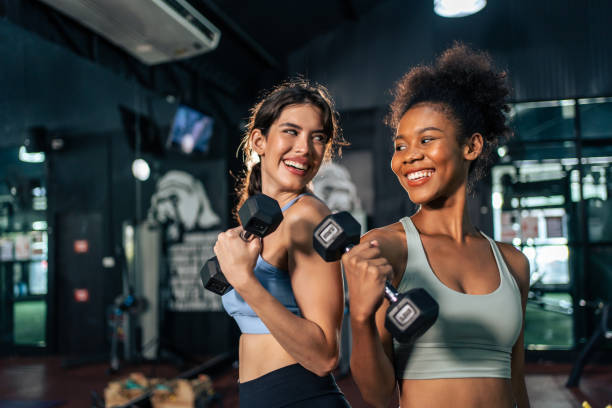
Female-only gyms have been growing in popularity over the last few years, offering women a space to work out without feeling self-conscious or unsafe. And honestly? I get it. Studies have shown that a large percentage of women have altered their gym routines or switched gyms due to uncomfortable experiences. The idea of a safe space to lift without fear of being stared at, hit on, or interrupted is appealing.
There’s been a clear demand for these gyms, and the fitness industry has responded. While exact numbers are hard to track, many new women-only gyms have opened across the country, and existing gyms have started offering female-only sections. The goal is simple: make the gym a more welcoming place.
According to recent reports, female-only gym memberships have increased by over 50% in the last five years, with more boutique-style gyms opening exclusively for women in major cities across the U.S. The trend isn’t just in the U.S.; globally, women-only fitness spaces have gained momentum, particularly in countries where mixed-gender gyms may not be as culturally accepted.
But here’s where things get tricky. If we keep dividing gyms by gender, are we really fixing the issue, or just avoiding it?
Five Problems with Female-Only Gyms
While female-only gyms offer a sense of security, they also create new challenges that shouldn’t be overlooked. Here are five key problems with gender-exclusive gyms:
- Exclusion Creates Division
The fitness community thrives on inclusivity. By creating gyms that cater only to women, we risk reinforcing the divide rather than solving the root issue. The gym should be a place for everyone to grow, improve, and feel welcome. - Reinforcing Gender Stereotypes
Female-only gyms unintentionally reinforce the idea that women need a separate, “safe” space to exercise, while men are inherently part of an aggressive gym culture. Instead of addressing toxic behavior, it frames mixed gyms as unsafe environments rather than working to change that culture. - Limited Access to Equipment and Trainers
Many boutique-style female gyms are smaller, with fewer machines, weights, and training programs compared to co-ed gyms. Women who want to progress in strength training, powerlifting, or bodybuilding may find themselves with fewer resources. - Doesn’t Address the Root Issue of Gym Intimidation
Gym intimidation isn’t just a women’s issue—many men feel out of place too, especially beginners. Instead of separating genders, the focus should be on creating welcoming gym environments for all, through education, supportive communities, and proper gym etiquette. - Legal and Ethical Challenges
Some female-only gyms have faced legal challenges for discriminatory practices. In many places, gender-exclusive businesses face scrutiny and lawsuits for not allowing men to join, raising ethical concerns about fairness and equality.
Toxic Gym Culture Is the Real Problem
The reality is that gym anxiety isn’t just a “women’s problem.” A lot of men, especially beginners, feel just as intimidated. No one talks about the guys who are too scared to walk into the free weights section because they feel like they don’t belong. No one talks about the young men who fear being secretly recorded and labeled as “creeps” just for looking around the room. Social media has turned the gym into a battleground, where people are afraid of being judged, ridiculed, or called out online for something as simple as glancing in the wrong direction.
Women, on the other hand, have their own valid concerns—unwanted advances, being stared at, or feeling uncomfortable in a male-dominated space. And while those fears are real, separating gyms by gender doesn’t solve the root issue: the gym culture itself needs to change.
This shift in gym culture has been made worse by viral “gym call-out” videos, where people, often without context, film others in the gym and post their reactions online. While there are legitimate cases of harassment, these videos have also fueled an unnecessary gender divide, making men and women feel like they’re at odds with each other in what should be a shared space of growth and self-improvement.
You Need to Do Better: Respect and Mind Your Own Business

Joey Swoll, a fitness influencer who promotes gym positivity, says it best: “You need to do better. Mind your own business.”
For men, this means respecting women’s space in the gym. If you think a woman is attractive and want to ask her out, that’s fine—but if she says no, leave it at that. No need to stare, follow, or harass her. Desperation is never a good look, and making someone uncomfortable in the gym ruins the experience for everyone.
For women, if you feel truly uncomfortable because a man is behaving inappropriately, report him to gym staff. If someone is harassing you, they deserve to be banned. But filming men for the sake of internet clout, trying to catch “creeps” when they might not have had bad intentions, only fuels more division. A safer gym starts with handling issues the right way—through proper channels, not social media shaming.
The Gym Should Be for Everyone
The gym is supposed to be a place where we all go to improve ourselves—physically, mentally, and emotionally. It’s where we push our limits, overcome our fears, and become better versions of ourselves. But if we start dividing gyms into “men’s” and “women’s” spaces, we lose a huge part of what makes the fitness community so powerful: inclusivity.
Check out Joey Swoll’s movement for gym positivity here: Joey Swoll Official Website.
Final Thoughts
The solution isn’t segregation; it’s education and respect. Gyms should be spaces of empowerment for all, not just one group. We need to shift the focus from exclusion to improvement—improving gym policies, gym culture, and how we treat each other. A truly great gym is one where everyone, regardless of gender, feels safe, motivated, and encouraged to be their best self. That’s what I try to do with blog, helping others improve their lives with proper gym advice. Check out this post here where I breakdown how you can boost your metabolism for improved fat loss.