If you’ve been following along here on ACG Fitness, you already know that I’ve been talking a lot about recovery lately. We’ve covered food, hydration, sleep, and even tools like cold exposure. But after writing all of those posts, it made me stop and ask a bigger question — what’s actually the best way to recover after a workout?
Because let’s be honest, a lot of people are doing the “right” things on paper for muscle recovery. They train hard in the gym. They eat pretty well most of the time. They take their vitamins. And yet, they still walk around feeling sore, tired, stiff, and stuck, like their body never fully bounces back before the next workout.
That’s usually where frustration kicks in. You start wondering if you need a new program, more supplements, or even more time in the gym. But here’s the truth most people don’t want to hear: recovery isn’t one magic trick. It’s not a single food, a single tool, or a single habit. It’s a combination of habits that work together over time.
Some matter more than others. Some are non-negotiable. And some are helpful, but only if the basics are already in place.
So instead of overcomplicating things, let’s simplify it.
Here are the 5 best ways to recover after a workout — the ones that actually move the needle.
5. Recovery Tools (Powerful, but Not Always Accessible)
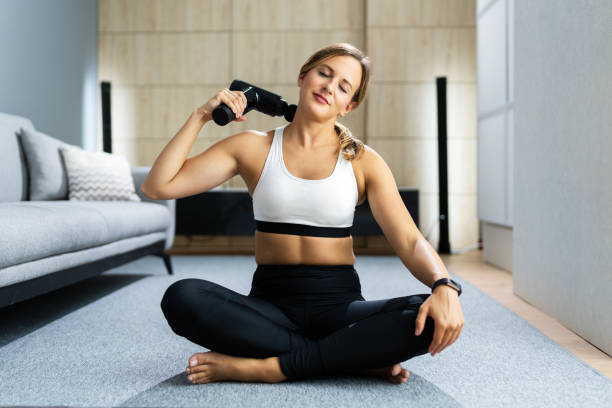
When people think about the best recovery methods, this is usually the first place their mind goes to cold plunges, saunas, massages, massage guns, compression sleeves, and all the other recovery gadgets you see online. And to be clear, these tools can absolutely work. They can reduce soreness, help you relax, and make you feel noticeably better between workouts.
For this article, I’m grouping all of these under the umbrella of recovery tools, and the reason they come in at number five isn’t because they’re ineffective. It’s because cost, access, and consistency can limit how often most people can actually use them.
Cold plunges and ice baths are popular because cold exposure can help reduce inflammation, muscle soreness, and perceived fatigue after hard training. Many people also find that cold exposure improves mental toughness and leaves them feeling refreshed and energized afterward.
Saunas work in almost the opposite way. Heat exposure increases blood flow, helps muscles relax, and can promote overall recovery and stress relief. Its a great post workout recovery method. Regular sauna use has also been linked to cardiovascular benefits and improved circulation, which can support long-term recovery.
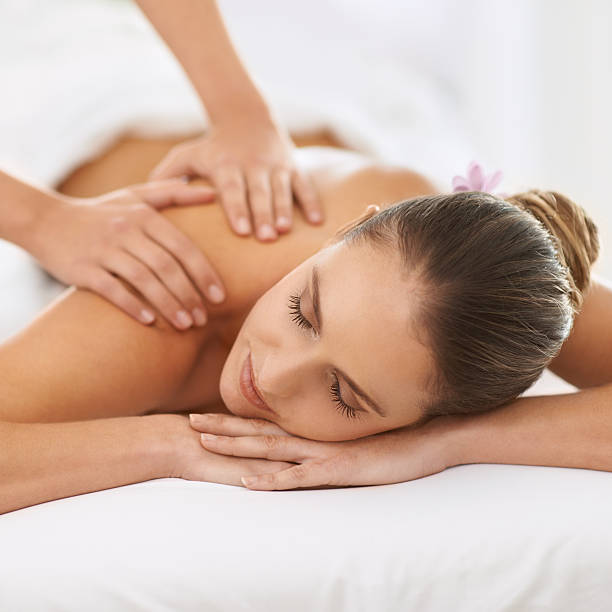
Massages, massage guns, and compression clothing focus more on localized recovery. They help relieve tight muscles, improve circulation, and reduce stiffness — especially in areas that tend to get beat up from training like the legs, back, and shoulders.
All of these tools can be incredibly helpful and effective ways to recover after a workout but the reason they’re ranked lower on this list is simply because not everyone has easy access to them, and relying on tools alone won’t fix poor recovery habits. They work best when combined with the other methods we’re about to cover, not used as a replacement for them.
Think of recovery tools as upgrades — not requirements.
If you want to go deeper into cold exposure, I’ve already broken it down in detail in a separate article where I explain how cold plunges work, who they actually help, and when they make the most sense for recovery. For anyone interested in trying cold exposure at home, options like Plunge Chill exist as a convenient way to apply the method consistently — not as a requirement, but as a tool if it fits your lifestyle and recovery goals. Use code ACGFIT10 at Plunge Chill for an extra 10% off.
I’ll also be publishing a full breakdown soon on saunas for muscle recovery, since heat exposure can play a very different but equally useful role in the recovery process.
4. Stress Management (Everything Is Connected)
This is the part of recovery that most people underestimate, but it might be the most important one to understand.
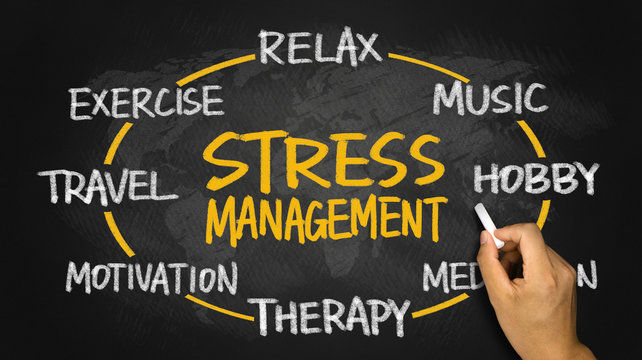
Your body doesn’t separate training stress from life stress. A hard workout, a long day at work, poor sleep, constant screen time, financial pressure, it all feeds into the same system. When that system stays overloaded for too long, recovery slows down no matter how well you’re training or eating.
This is something I’ve talked about before in my mental health article, because physical progress and mental well-being aren’t separate things. They’re deeply connected. When your mind is constantly stressed, distracted, or overwhelmed, your body stays tense and reactive. That makes it harder to repair muscle, regulate hormones, and feel energized day to day.
What’s important to realize is that almost every method on this list is also a form of stress management. Sleeping more lowers nervous system stress. Eating enough food reduces physiological stress. Active recovery helps your body relax instead of staying stiff and guarded. Even recovery tools like cold plunges or saunas can calm the nervous system when used appropriately.
This is where the bigger picture comes in: mind, body, and spirit all affect each other. When one is off, the others feel it. You can’t expect your body to recover if your mind is constantly racing, and you can’t expect mental clarity if your body is run down and exhausted.
Managing stress doesn’t mean eliminating it completely, that’s unrealistic. It means finding small, consistent ways to bring your system back into balance. Stepping away from screens, getting outside, slowing your breathing, and creating moments of calm throughout the day all add up more than people realize.
If you’re doing everything “right” on paper but still feel worn down, this is often the missing piece.
“Some people manage stress through breathing work, time outdoors, or gentle movement — and we’ll talk more about that in the next section.”
3. Active Recovery (Move to Recover Better)

A lot of people think recovery means doing absolutely nothing — skipping movement, laying around, and waiting for soreness to go away. But in reality, some of the best ways to recover after a workout involve light, intentional movement.
This is what active recovery is.
Active recovery is low-intensity activity that helps your body recover without adding more stress and its one of the best ways to recover after a workout on your ” rest days”. The goal isn’t to train harder, it’s to increase blood flow, reduce stiffness, and help your muscles relax so they’re ready for your next workout.
This is where things like walking, Zone 2 cardio, mobility work, and gentle movement come into play. These types of activity help deliver nutrients to your muscles and clear out waste from hard training, which often makes soreness feel better instead of worse.
I’ve talked about this in more detail in my articles on Zone 2 cardio and walking for weight loss, but both apply here for recovery as well. Easy walks, light cycling, or steady Zone 2 sessions can all support recovery without draining your energy or beating up your joints.
Yoga also fits into this category, which I’ll be covering in a future article. When used correctly, yoga isn’t about replacing lifting or doing anything extreme, it’s another way to stay mobile, improve posture, and for muscle recovery between training sessions.
The key with active recovery is intensity. If it feels like another hard workout, you’re doing it wrong. Active recovery should leave you feeling better, not more tired.
When people feel constantly stiff or sore, this is often the missing piece, not more rest, but the right kind of movement. This is one of the best tips to maximize muscle recovery.
“Once your body is moving enough to support recovery, the next step is making sure it has the fuel it needs to actually rebuild.”
2. Nutrition & Hydration (You Can’t Recover Without Fuel)

Once movement and stress are under control, recovery comes down to something very simple, your body needs fuel to rebuild. You can train smart and manage stress well, but if you’re not eating or hydrating enough, recovery slows down fast.
This is where a lot of people fall short without realizing it. They think they’re eating “pretty well,” but they’re under-fueling for how much they train. Protein intake is too low, carbs are avoided out of fear, and hydration is treated like an afterthought. The result is lingering soreness, low energy, and workouts that never quite feel as strong as they should.
Nutrition plays two big roles in recovery. First, protein provides the building blocks your muscles need to repair and grow for proper muscle recovery. Second, carbohydrates help replenish glycogen, which is your body’s main fuel source during training. When glycogen stays low, workouts feel harder, recovery takes longer, and performance drops.
I’ve already gone deeper into this in my article on the top 10 recovery foods after a workout, where I break down affordable, realistic options that support muscle repair and soreness reduction. That list isn’t meant to be limiting, there are dozens of foods that can help you with post-workout recovery, but it gives you a solid starting point without overcomplicating things.
Hydration matters just as much, and it’s often even more overlooked as one of the rest ways to recover after a workout. Water helps transport nutrients, regulate body temperature, and support muscle function. Even mild dehydration can make soreness worse and slow down recovery. I’ve covered this more in my article on drinking more water and how it impacts your body, but the short version is this: if you’re training hard, you should be drinking more than you think for rest and recovery.
Recovery doesn’t come from one perfect meal or supplement. It comes from consistently giving your body enough fuel and fluids so it can actually respond to the work you’re putting in.
1 Sleep (The Most Powerful Recovery Tool You Have)

One this list of best recovery methods, there is one method that matters more than everything else on this list, it’s sleep, and it’s not even close.
For all the different ways to recover after a workout, here is where they all connect.
When you sleep, your body repairs muscle tissue, regulates hormones, consolidates memory, and resets your nervous system. Growth hormone release increases, inflammation comes down, and your body actually gets a chance to adapt to the stress you’ve been putting it under in the gym. Without enough sleep, that entire process is compromised.
This is why people can train hard, eat well, hydrate properly, and still feel stuck if their sleep is off. You simply can’t out-train or out-supplement poor sleep. At best, everything else becomes damage control.
Sleep is also what makes the rest of these recovery methods work better. Good nutrition is more effective when you’re well rested. Active recovery feels easier. Stress is easier to manage. Even recovery tools like cold plunges or saunas tend to have a bigger impact when your sleep is already dialed in.
I’ve gone deeper into this in my article on sleep and recovery, but the main takeaway is simple: if you want to recover faster, feel stronger, and show up better in your workouts, sleep has to be a priority. Not something you squeeze in when everything else is done, something you plan for.
That doesn’t mean perfection. It means consistency. Going to bed at roughly the same time, limiting late-night screen exposure when you can, and giving your body enough time to fully shut down and reset.
If you fix nothing else, fix your sleep.
“When sleep is prioritized, everything else on this list starts working the way it’s supposed to.”
Frequently Asked Questions About Workout Recovery
What is the best way to recover after a workout?
The best way to recover after a workout isn’t one single method — it’s a combination of habits. Prioritizing sleep, eating enough food, staying hydrated, managing stress, and using light movement for recovery all work together. When one of these is missing, recovery usually slows down.
How long should muscle recovery take?
Muscle recovery can take anywhere from 24 to 72 hours, depending on how hard you trained, your sleep quality, nutrition, stress levels, and overall fitness level. Feeling sore doesn’t always mean you shouldn’t train, but constantly feeling run down is usually a sign more post-workout recovery is needed
Is soreness a sign of a good workout?
Not necessarily. Some soreness is normal, especially when trying new exercises or increasing intensity. But being sore all the time isn’t a goal. Progress comes from recovering well enough to train consistently and perform better over time — not from chasing soreness.
Do I need cold plunges or recovery tools to recover properly?
No. Recovery tools like cold plunges, saunas, massages, and compression gear can help, but they’re not required. The best recovery methods work the most when combined with solid sleep, nutrition, hydration, and stress management. Tools support recovery — they don’t replace the basics.
Can I work out while still sore?
Yes, as long as the soreness isn’t severe and your movement feels good. Light training, walking, or Zone 2 cardio can actually help reduce stiffness and speed up recovery. The key is adjusting intensity, not pushing through pain during muscle recovery.
How much sleep do I really need to recover?
Most people need 7–9 hours of sleep per night for full muscle recovery after training. If you’re consistently getting less than that, recovery will suffer no matter how good your workouts or diet are. Sleep is the foundation that makes every other recovery method more effective.
Does stress really affect workout recovery?
Absolutely. Mental and emotional stress impact your nervous system the same way physical stress does. High stress levels can slow muscle repair, increase fatigue, and make workouts feel harder. Recovery works best when your mind, body, and lifestyle are all aligned.
Conclusion: Recovery Is What Makes the Work Count
If there’s one thing to take away from this article, it’s this: the best ways to recover after a workout aren’t flashy or complicated — they’re consistent habits done well.
A lot of people focus almost entirely on training harder, lifting heavier, or doing more. But progress doesn’t come from what you do in the gym alone. It comes from how well your body recovers outside of it. That’s why understanding the most effective ways to recover after a workout can completely change how you feel, perform, and progress over time.
Recovery isn’t one magic solution. It’s a combination of sleep, nutrition, hydration, stress management, movement, and — when appropriate — recovery tools. When these pieces work together, your body is finally able to adapt to the work you’re putting in instead of constantly playing catch-up.
If you’re feeling sore all the time, low on energy, or stuck in your progress, it’s usually not because you need a new program. It’s because one or more of these recovery habits is being overlooked. The good news is that you don’t need to fix everything at once. Start by improving just one area — whether that’s getting more sleep, eating enough food, managing stress better, or adding light movement on your rest days.
At the end of the day, working out is only half the equation. Recovery is what allows your strength, physique, and confidence to actually show up.
Take recovery seriously, respect the process, and remember:
Action Creates Greatness.