
Summer is coming fast!
Summer’s around the corner, and the pressure to get “beach ready” is on. Whether your goal is to trim belly fat, reveal muscle definition, or simply feel confident in your own skin, cardio is often the go-to solution. But with so many options, you’re left wondering: Zone 2 vs HIIT — which one will get you your summer body faster?
Both methods torch fat, but they do it in very different ways. Zone 2 cardio is all about low-intensity endurance, while HIIT (High-Intensity Interval Training) turns up the heat for short, explosive results. If you’re confused about which approach to choose — or how to combine both for maximum impact — this guide breaks it all down.
In this article, we’ll compare Zone 2 vs HIIT side-by-side to help you decide which one aligns best with your fat-loss goals, lifestyle, and how much time you realistically have before summer hits. Let’s find out which cardio style will help you sweat smarter — not just harder — as you shape your summer physique. Keep reading and learn how to get a summer body today!
What Is Zone 2 Cardio?
Zone 2 cardio refers to aerobic exercise performed at a low to moderate intensity, typically at 60–70% of your maximum heart rate. At this level, your body relies primarily on fat for fuel—not carbs—and you should be able to hold a conversation without gasping for air. This “fat-burning zone” is often overlooked because it doesn’t feel intense, but that’s exactly the point: it’s sustainable and highly effective for long-term fat loss and metabolic health.
Key Benefits of Zone 2 Cardio:
- Improved fat metabolism
- Increased mitochondrial function (energy production)
- Enhanced cardiovascular endurance
- Lower stress on joints
- Faster recovery between workouts
Common Examples:
- Brisk walking
- Slow jogging
- Easy cycling
- Light rowing
- Incline treadmill walking
Zone 2 is perfect for longer sessions—typically 30–60 minutes—and is ideal for people who want to burn fat consistently without burning out. Choose any or all of these if you are looking for workouts for a summer body. Interested in learning more? Read more here about zone 2 cardio.
What Is HIIT (High-Intensity Interval Training)?
HIIT stands for High-Intensity Interval Training, a workout style that alternates between short bursts of intense effort and brief recovery periods. Unlike Zone 2 cardio, HIIT pushes your heart rate to 80–95% of its max, which means you’re working near your limit—breathing hard, sweating fast, and burning serious energy.
While HIIT workouts are typically shorter (often 15–30 minutes), they create a powerful effect known as EPOC (Excess Post-Exercise Oxygen Consumption)—often called the “afterburn”—which helps your body continue burning calories hours after your workout ends.
Key Benefits of HIIT:
- Burns more calories in less time
- Triggers afterburn effect (EPOC)
- Improves VO2 max and heart efficiency
- Increases insulin sensitivity
- Time-efficient and versatile
Common HIIT Workouts:
- Sprint intervals (e.g., 30 sec sprint, 90 sec walk)
- Bodyweight circuits (jump squats, burpees, mountain climbers)
- Bike sprints or rowing intervals
- Tabata training (20 sec on, 10 sec off for 4 minutes)
- Check out our article about functional fitness if you want more HIIT exercises
All of these are great summer body workout routines. HIIT is intense, efficient, and results-driven—but it can be taxing on recovery and isn’t always ideal for beginners or people with joint issues.
Which One Is Better for Fat Loss?
When it comes to burning fat and building a lean summer body, both Zone 2 cardio and HIIT can help—but they work differently, and the better choice depends on your lifestyle, fitness level, and recovery capacity.
HIIT for Quick Fat Burn
HIIT is known for burning more calories per minute than steady-state cardio. Because it ramps up your heart rate and metabolism, it activates the afterburn effect (EPOC), helping you burn fat even after the workout is over. In one study published in Journal of Obesity, HIIT participants lost significantly more subcutaneous fat than those doing steady-state cardio, even with shorter workout durations.
HIIT pros for fat loss:
- Maximizes calorie burn in less time
- Preserves muscle while losing fat
- Ideal for tight schedules
HIIT cons:
- Harder to recover from
- Higher risk of injury or burnout
- Not ideal for beginners or those with joint issues
Zone 2 Cardio for Sustainable Fat Loss
Zone 2 cardio may not torch calories as quickly, but it shines in sustainability and metabolic efficiency. Because it uses fat as a primary fuel source, it trains your body to become a better fat-burning machine over time. Plus, it’s easier on the joints, lower stress on the body, and can be done more frequently—making it great for building a consistent routine.
Zone 2 pros for fat loss:
- Burns fat efficiently during the workout
- Can be done daily without overtraining
- Great for long-term body composition goals
Zone 2 cons:
- Takes longer to burn the same calories as HIIT
- Less adrenaline-fueled and “exciting”
- Results can take more time to notice
Bottom Line:
If you’re short on time and can recover well, HIIT is an excellent way to accelerate fat loss. But if you prefer lower impact, steady progress, and long walks in the sun, Zone 2 cardio may be your secret weapon to getting summer-ready without the burnout.
Which Builds a Better Physique for Summer?

When we talk about a “summer body,” most people imagine lean muscle, visible definition, and a confident look in a swimsuit. While diet plays a major role, your training style also shapes how your body looks. So how do Zone 2 cardio and HIIT compare when it comes to building a summer-ready physique?
HIIT for Definition and Muscle Retention
HIIT involves high-intensity intervals that often mimic resistance training—think jump squats, sprint intervals, or kettlebell swings. These moves not only burn fat but also preserve lean muscle, which is crucial for achieving that toned, defined look. Because of the intense muscular engagement, HIIT can help prevent the “skinny-fat” appearance that sometimes comes with cardio-only approaches.
Why HIIT can sculpt a summer body:
- Preserves (and may even build) lean muscle
- Enhances vascularity and definition
- Boosts testosterone and growth hormone naturally
However, without proper nutrition and recovery, too much HIIT can lead to muscle loss and elevated cortisol, which works against your aesthetic goals.
Zone 2 for Lean, Athletic Conditioning
Zone 2 cardio may not directly build muscle, but it enhances recovery, endurance, and fat metabolism, which supports your strength training and overall physique development. Many elite athletes use Zone 2 as a foundation to maintain a lean, athletic build without overtraining.
Plus, lower intensity means fewer spikes in cortisol, better sleep, and less muscle breakdown—all of which matter for showing off a healthy, energized summer body.
Why Zone 2 helps physique goals:
- Supports fat loss while preserving muscle
- Enhances blood flow and nutrient delivery
- Pairs well with strength training to sculpt lean lines
Verdict:
If you’re aiming for visible muscle tone and fast results, HIIT can give you that edge, especially when paired with strength training. But if you want to stay lean, energized, and consistent without risking burnout, Zone 2 lays the foundation for a physique that lasts all summer—and beyond.
Which Is More Sustainable for Busy Schedules?
When time is tight, consistency becomes more important than intensity. So which training method—Zone 2 cardio or HIIT—fits better into a packed schedule without compromising your summer body goals?
HIIT: Maximum Results in Minimal Time
One of HIIT’s biggest selling points is time efficiency. A full workout can be done in 15–30 minutes and still burn a serious amount of calories. This makes HIIT a top choice for busy professionals, parents, or anyone short on time.
HIIT time-saving perks:
- Burns calories quickly
- Elevates metabolism for hours post-workout (afterburn effect)
- Can be done with minimal or no equipment
However, HIIT is physically demanding, and if you’re already stressed or sleep-deprived, pushing through a hard HIIT session can lead to burnout or injury.
Zone 2: Easier to Recover From, Easier to Repeat
Zone 2 sessions typically last longer—45 minutes to an hour—but the low intensity means they can be done more frequently with minimal fatigue. You can also multitask: walk while taking a call, cycle while listening to a podcast, or go for a hike on the weekend.
Zone 2 flexibility perks:
- Less taxing on joints and nervous system
- Easier to stack onto your week without needing recovery days
- Can fit into daily habits (e.g., brisk walking after dinner)
The trade-off is time. If you can’t dedicate at least 30–45 minutes per session, Zone 2 may feel less practical during a hectic week.
Verdict:
HIIT wins for speed and efficiency—but Zone 2 wins for consistency and recovery. The most sustainable plan? Combine both: short HIIT sessions on busy days, longer Zone 2 sessions on weekends or low-stress days.
Which Burns More Fat?
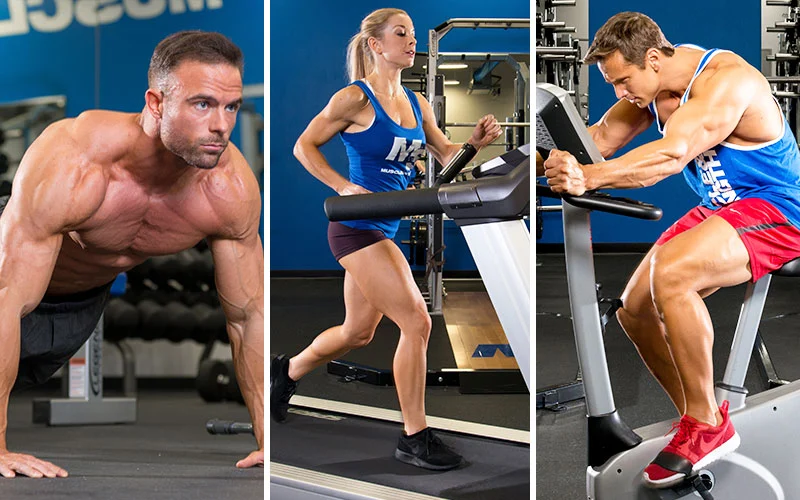
When sculpting your summer body, fat loss is usually priority number one. But which method—Zone 2 cardio or HIIT—is more effective at turning your body into a fat-burning machine?
Zone 2: Built for Fat Oxidation
Zone 2 cardio is specifically designed to maximize fat as your body’s primary fuel source. During these low-to-moderate intensity sessions, your heart rate stays in a range (~60–70% of max) where your body prefers to burn fat over carbohydrates.
Zone 2 fat-burning benefits:
- Trains your body to become more efficient at using fat for fuel
- Lowers insulin resistance over time
- Encourages steady, long-term fat loss without spiking hunger hormones
Studies show that consistent Zone 2 training improves mitochondrial function, meaning your cells become better at generating energy from fat—key for long-term body recomposition.
HIIT: High Burn, Fast Burn
HIIT workouts burn more calories in less time, and thanks to the “afterburn” effect (EPOC), your metabolism stays elevated for hours post-exercise. However, most of the energy burned during HIIT comes from glycogen (carbs), not fat, during the workout.
HIIT fat-loss advantages:
- Burns a lot of calories in a short amount of time
- Boosts metabolic rate temporarily
- Effective when paired with a calorie-controlled diet
The downside? HIIT can stimulate hunger in some people and may lead to overeating if not carefully managed.
Verdict:
Zone 2 cardio is king for direct fat oxidation and metabolic efficiency. HIIT is better for total calorie burn in a time crunch. For the best fat-loss results, combine both—but lean on Zone 2 if your goal is to burn fat steadily without risking burnout or rebound cravings.
Muscle Preservation and Body Composition

When chasing a summer body, the goal isn’t just to lose fat—it’s to look lean, strong, and defined. That means protecting your muscle mass while trimming away the fluff. So, how do Zone 2 cardio and HIIT stack up when it comes to muscle preservation and improving body composition?
Zone 2: Gentle on Muscle, Great for Recovery
Zone 2 cardio is low-impact and low-stress, which means it’s unlikely to interfere with strength training or muscle gains. In fact, it may even support better recovery between lifting sessions by increasing blood flow and nutrient delivery to your muscles.
Muscle-friendly perks of Zone 2 cardio:
- Doesn’t elevate cortisol the way high-intensity training can
- Preserves muscle glycogen stores
- Enhances recovery and metabolic flexibility
- Pairs well with strength training without causing excessive fatigue
This makes Zone 2 ideal during cutting phases or lean-out phases when you’re trying to keep as much muscle as possible while lowering body fat.
HIIT: More Risk, More Reward
HIIT workouts, especially when done with resistance or bodyweight moves (like burpees or jump squats), can stimulate muscle retention or even growth in some cases. However, the high stress and potential for overtraining can also backfire.
Muscle-related pros and cons of HIIT:
- Activates fast-twitch muscle fibers
- May help maintain or increase muscle when paired with weight training
- But… can elevate cortisol and impair recovery if overused
- May interfere with strength training performance if done too frequently
Verdict:
Zone 2 cardio is the safer bet for muscle preservation, especially if you’re lifting regularly and focused on a lean aesthetic. HIIT can offer muscle benefits, but it’s more taxing—and mismanaging recovery could sabotage your gains.
Final Verdict: HIIT vs. Zone 2 — Which Is Best for Your Summer Body?

Both High-Intensity Interval Training (HIIT) and Zone 2 cardio offer unique benefits for fat loss and fitness. HIIT provides quick, intense workouts that can burn calories efficiently, while Zone 2 cardio promotes fat oxidation and endurance through longer, moderate-intensity sessions. The optimal choice depends on your personal schedule, fitness goals, and preferences.
Consider your lifestyle:
- Time-Constrained Individuals: If you have limited time and prefer shorter workouts, HIIT may be more suitable.
- Consistency Seekers: If you enjoy longer, steady-state activities and can commit more time, Zone 2 cardio might be the better fit.
Not sure which aligns with your fitness personality? Take our Fitness Personality Quiz to discover the best approach for your summer body goals.
FAQs: Building Your Summer Body
What does it mean to have a summer body?
A “summer body” typically refers to a lean, toned physique that people feel confident showing off during the warmer months when clothing is lighter and swimsuits are common. However, the definition is subjective—it can range from visible muscle definition to simply feeling healthy, energetic, and comfortable in your own skin. At ACG Fitness, we believe a true summer body is about confidence, consistency, and building a body that performs as well as it looks.
Q: How can I build a summer body quickly?
A: Achieving a summer body involves a combination of regular exercise, balanced nutrition, and adequate rest. Incorporating both HIIT and Zone 2 cardio can enhance fat loss and improve cardiovascular health.
How long does it take to get a summer body?
How long it takes to get a summer body depends on your starting point, goals, and consistency. For many people, 8 to 12 weeks of focused training, clean nutrition, and adequate recovery can yield visible changes. If you’re closer to your goal already, results might come sooner. For beginners, setting a 3–6 month timeline allows for sustainable fat loss and muscle tone. Remember—whether you choose HIIT, Zone 2 cardio, strength training, or all three, your results depend on your discipline, not just your workouts.
Q: Is HIIT effective for fat loss?
A: Yes, HIIT has been shown to be effective for fat loss, especially when combined with a proper diet. It can reduce waist circumference and improve overall body composition. Healthline
Q: Does Zone 2 cardio help with weight loss?
A: Absolutely. Zone 2 cardio improves fat-burning efficiency and supports sustainable weight loss, making it a valuable component of a fitness regimen.
Q: What equipment is recommended for HIIT and Zone 2 cardio?
You don’t need fancy equipment to do HIIT or Zone 2 cardio. Just some good running / walking sneakers like the ones listed here in our top 10 sneakers article. You should also check out our top wearable devices as well to track your workouts.
Our personal favorites for sneakers are the Nike Zoom and for wearable devices, the Fitbit Charge will work for your basic needs
Take Action: Start Your Summer Body Transformation Today
- Discover Your Fitness Personality: Take our Fitness Personality Quiz to determine the best workout strategy for you.
- Stay Connected: Share this article with friends and follow ACG for more fitness tips and updates.
Embark on your journey to a fitter, healthier you this summer with the right approach and tools tailored to your lifestyle. And remember, Action Creates Greatness.


2 thoughts on ““Summer Body Showdown: 5 Key Differences Between HIIT and Zone 2 Cardio (And Which One’s Right for You)””