I’ve said this before on ACG Fitness — some of the most impressive people in my gym aren’t the 22-year-olds.
They’re the guys in their 50s, 60s… even 70s.
I see them lifting consistently. Moving well. Recovering fast. Showing up with energy most people half their age don’t have.
And they show up every day at 5 in the morning.
And every time I see that, I think:
That’s impressive.
I hope I’m like that when I’m their age.
But here’s the thing.
Not every older adult looks like that.
At my day job, I also interact with plenty of people over 50 who feel constantly drained. Slower. Weaker. Foggy. Like their body just doesn’t respond the way it used to.
So what’s the difference?
It’s not just “good genetics.”
It’s not luck.
And it’s not because one group magically stopped aging.
There’s something deeper happening.
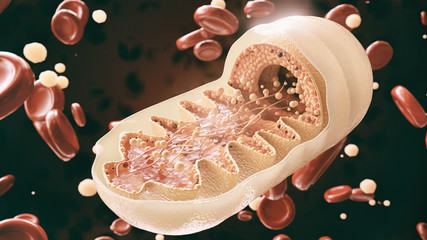
After 50, your mitochondria — the tiny energy factories inside your cells — begin to decline in number and efficiency.
And when your mitochondria slow down, everything slows down:
Your energy.
Your muscle.
Your recovery.
Your metabolism.
Even your brain.
Most people blame age.
But age is just the surface explanation.
The real issue is often mitochondrial decline.
I’ve written about muscle loss after 50.
I’ve talked about creatine for seniors.
I’ve broken down why recovery slows down as we age.
But this article goes deeper.
Because if you don’t understand what’s happening inside your cells, you’ll keep trying surface-level fixes:
More caffeine.
More random supplements.
Blaming hormones.
Doing endless cardio.
None of that addresses the root cause.
If you’re over 50 and constantly tired…
If your strength isn’t what it used to be…
If your brain feels foggier than it should…
The mitochondria problem after 50 might be the missing piece.
Let’s break down what that actually means — and more importantly, how to improve mitochondrial health.
A Quick Note on Mitochondrial Disease
Before we go any further, it’s important to clarify something.
When we talk about the mitochondria problem after 50, we are not talking about mitochondrial disease.
Mitochondrial disease is a rare genetic or acquired medical condition where mitochondria fail to produce enough energy for the body’s needs. It can affect multiple organs and often requires medical diagnosis and treatment.
That is not the same thing as normal age-related mitochondrial decline.
What most people experience after 50 is:
• Reduced mitochondrial efficiency
• Lower ATP production
• Increased oxidative stress
• Slower cellular recovery
This is a gradual shift — not a disease.
However, severe or unexplained fatigue, neurological symptoms, or multi-system health issues should always be evaluated by a healthcare professional.
This article focuses on normal aging patterns and how to support mitochondrial health through lifestyle and evidence-based strategies — not medical disorders.
What Are Mitochondria? (And Why They Matter More After 50)
If you remember anything from high school biology, you probably remember this phrase:
“The mitochondria are the powerhouse of the cell.”
At this point, that line has basically become a meme online.
People joke about it.
Teachers still repeat it.
Everyone remembers it.
But don’t let the meme fool you.
Your mitochondria are incredibly important — especially when it comes to longevity.
Here’s what that “powerhouse” phrase actually means.
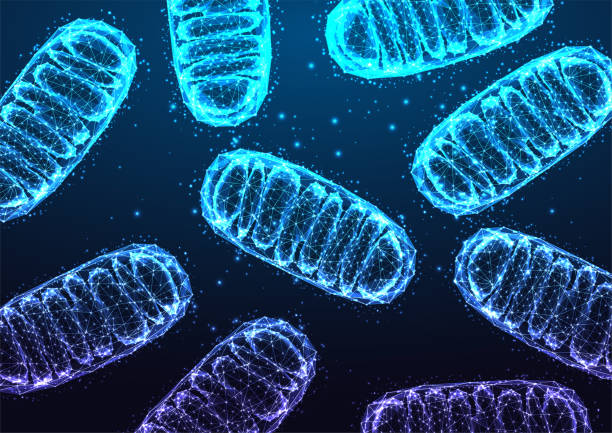
Mitochondria are tiny structures inside almost every cell in your body. Their job is to take the food you eat and the oxygen you breathe and convert it into usable energy.
That usable energy is called ATP (adenosine triphosphate).
Think of ATP like rechargeable batteries.
Every movement you make — standing up from a chair, climbing stairs, lifting weights, even thinking — runs on ATP.
No ATP = no energy.
And here’s what most people don’t realize:
Your muscles rely heavily on mitochondria.
Your brain relies heavily on mitochondria.
Your heart relies heavily on mitochondria.
The more energy a tissue needs, the more mitochondria it contains.
That’s why muscle cells are packed with them.
That’s why your brain burns through energy constantly.
That’s why endurance athletes tend to have more efficient mitochondria.
Now here’s where it becomes serious after 50.
As we age:
1️⃣ We produce fewer mitochondria.
2️⃣ The ones we have become less efficient.
That means less ATP production.
Less cellular energy.
Less resilience.
And when your cells produce less energy, you don’t just “feel older.”
You literally have less fuel.
That drop in cellular energy is what many people experience as:
• Chronic fatigue
• Slower recovery
• Muscle weakness
• Brain fog
• Decreased stamina
This isn’t just aging.
It’s energy production declining at the cellular level.
And the scary part?
Most people accept it as normal.
But it doesn’t have to be.
Signs Your Mitochondria May Be Slowing Down
You can’t feel your mitochondria directly.
But you can feel the consequences when they aren’t working efficiently.
Here are some common signs that mitochondrial function may be declining after 50:
1️⃣ You’re Tired Even When You “Shouldn’t Be”
You slept.
You didn’t overtrain.
You didn’t stay up all night.
Yet by mid-afternoon, your energy crashes.
This isn’t always about willpower.
It can be about cellular energy output.
If ATP production is lower, your body simply doesn’t have the same fuel reserves it used to.
2️⃣ Your Strength Drops Faster Between Workouts
You might still lift.
But your recovery feels slower.
Your endurance drops sooner.
You fatigue faster during sets.
Muscle contraction requires ATP.
Less ATP = less sustained output.
Over time, this contributes to muscle loss after 50 — especially if strength training declines because workouts feel harder than they used to.
3️⃣ Brain Fog Shows Up More Often
This one gets overlooked.
Your brain is one of the most energy-demanding organs in your body.
When mitochondrial efficiency drops, mental clarity can suffer.
You may notice:
• Slower recall
• Reduced focus
• Feeling mentally drained
• Difficulty concentrating for long periods
That doesn’t automatically mean something is “wrong.”
But brain energy metabolism is tightly linked to mitochondrial health.
4️⃣ Your Metabolism Feels Slower
Mitochondria play a central role in metabolic function.
When mitochondrial efficiency declines:
• Calorie burning slows
• Insulin sensitivity can worsen
• Fatigue discourages movement
And less movement further accelerates decline.
It becomes a cycle.
5️⃣ Recovery Takes Longer Than It Used To
After 50, soreness lasts longer.
Small injuries linger.
You don’t bounce back like you once did.
Cellular repair requires energy.
If energy production declines, recovery slows.
Now here’s the key:
These symptoms are common.
But common does not mean inevitable.
The mitochondria problem after 50 is real.
But it’s not permanent.
And this is where most people make a mistake.
They try to “boost energy” with caffeine.
They buy random supplements.
They cut calories harder.
They train more intensely.
None of those directly improve mitochondrial health.
But there are specific things that do.
And this is where things get empowering.
How to Improve Mitochondrial Health After 50
Here’s the empowering part.
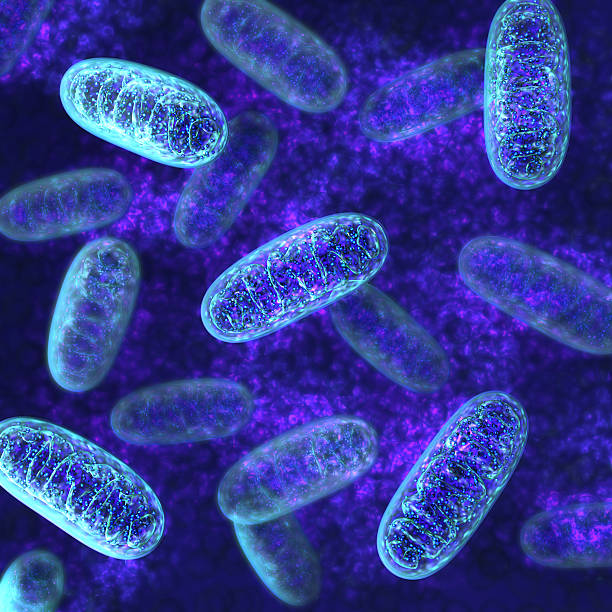
Mitochondria are not fixed.
They respond to stress.
They respond to movement.
They respond to demand.
That means you can influence them — even after 50.
And if you’re concerned about sarcopenia and mitochondria working against you as you age, this is where you take control.
1️⃣ Resistance Training (The Anti-Sarcopenia Tool)
If there’s one thing that directly combats both sarcopenia and mitochondrial decline, it’s strength training.
Resistance training does two powerful things:
• It stimulates muscle protein synthesis
• It stimulates mitochondrial biogenesis (the creation of new mitochondria)
When you lift weights, you’re not just building muscle.
You’re forcing your cells to upgrade their energy production capacity.
That’s why the older men at my gym who still lift consistently don’t look or move like their sedentary peers.
Their muscles demand energy.
Their mitochondria adapt.
Strength training after 50 isn’t about aesthetics.
It’s about cellular preservation.
Even 2–3 sessions per week can help slow the cycle of sarcopenia and mitochondrial dysfunction. Don’t make these muscle loss mistakes as I outlined in a previous article.
2️⃣ Zone 2 Cardio (The Mitochondria Builder)
This is where endurance work shines.
Zone 2 cardio — steady, moderate-intensity movement — is one of the most powerful tools for improving mitochondrial density and efficiency.
It literally teaches your body to:
• Produce more mitochondria
• Improve oxygen utilization
• Increase ATP production capacity
This isn’t about high-intensity sprints.
It’s controlled effort.
Walking uphill.
Cycling steadily.
Swimming.
Light jogging.
Zone 2 cardio is like giving your mitochondria a reason to expand.
And after 50, that expansion matters.
3️⃣ Creatine (Supporting Cellular Energy)
Creatine doesn’t directly create mitochondria.
But it supports ATP regeneration.
Remember — ATP is your cellular battery.
Creatine helps recharge it faster.
That’s why creatine for seniors can support:
• Strength output
• Recovery
• Brain energy
• Fatigue resistance
When mitochondrial efficiency declines with age, anything that supports energy turnover becomes more valuable.
It’s not a miracle solution.
But it’s a smart support tool — especially when paired with resistance training.
Check out my article here about the benefits for creatine for seniors
4️⃣ Adequate Protein (Fighting Sarcopenia)
You can’t talk about sarcopenia and mitochondria without addressing protein.
Muscle loss after 50 accelerates when:
• Protein intake is too low
• Strength training is inconsistent
• Energy production declines
Protein provides the raw materials.
Mitochondria provide the energy to use those materials.
Without enough protein, muscle maintenance over 50 becomes extremely difficult.
This is why I’ve emphasized protein shakes for older adults and proper daily intake in previous articles.
If protein shakes aren’t your thing, I will have another article soon about the best protein bars for seniors but I will recommend one for you here.
Built Protein bars are soft and chewy and perfect older folks you may have trouble chewing some of the harder protein bars on the market. Here is a discount code for ACGFitness readers and link for those who want to try it out
Discount Code: TRYPUFFS 15% OFF
Muscle preservation requires both structure (protein) and energy (mitochondria).
5️⃣ Sleep (Cellular Repair Time)
Mitochondrial repair and cellular cleanup processes ramp up during sleep.
Chronic sleep deprivation increases oxidative stress.
More oxidative stress = more mitochondrial damage.
If you’re trying to improve energy after 50 but sleeping 5 hours per night, you’re working against yourself.
Sleep isn’t optional.
It’s cellular maintenance time.
6️⃣ Cold Exposure & Sunlight (Hormetic Stress)
Brief cold exposure and natural sunlight both act as mild stressors.
In small doses, stress forces adaptation.
And adaptation strengthens mitochondria.
This doesn’t mean extreme ice baths daily.
It means controlled exposure that signals your body to stay resilient.
Your cells either adapt to stress — or decline without it.
The Big Picture
Here’s the truth most people miss:
Sarcopenia and mitochondria are connected.
When mitochondrial energy production declines:
• Muscle repair slows
• Strength declines
• Recovery lags
• Movement decreases
Less movement then worsens mitochondrial health.
It becomes a downward spiral.
But the opposite is also true.
Train.
Move.
Eat enough protein.
Sleep properly.
Support cellular energy.
And you create an upward spiral.
That’s how you fight aging at the cellular level.
Supplements That May Support Mitochondrial Health After 50
Let’s be clear about something first.
Supplements do not replace:
• Resistance training
• Zone 2 cardio
• Adequate protein
• Sleep
If those aren’t in place, no pill is fixing your mitochondria.
But once the foundation is built, certain supplements may support mitochondrial function — especially after 50.
1️⃣ Creatine (The Most Practical Option)
We’ve already discussed creatine for seniors, but it deserves to be mentioned again here.
Creatine supports ATP regeneration.
Mitochondria produce ATP.
Creatine helps recharge it.
That makes creatine one of the most practical and well-researched tools for supporting:
• Strength
• Muscle maintenance over 50
• Brain energy metabolism
• Fatigue resistance
Unlike many “longevity” supplements, creatine has decades of research behind it.
It’s affordable.
It’s simple.
It’s widely studied.
If someone over 50 is strength training, creatine is one of the few supplements that makes logical sense.
If you are looking for an affordable and reliable source of creatine, MyProtein has an excellent option for you. Here is a link and discount for ACGFitness readers.
Discount Code: MYPAFF
2️⃣ CoQ10 (Cellular Energy Support)
Coenzyme Q10 (CoQ10) plays a role in the electron transport chain inside mitochondria — essentially part of the energy production process.
Levels of CoQ10 may decline with age.
Some research suggests supplementation may support:
• Cellular energy production
• Heart health
• Fatigue reduction
This is especially relevant for older adults, though results vary between individuals.
It’s not magic — but it directly relates to mitochondrial energy systems.
3️⃣ Omega-3 Fatty Acids
Omega-3s don’t directly “boost mitochondria,” but they help reduce inflammation.
Chronic inflammation increases oxidative stress.
Oxidative stress damages mitochondria.
By lowering systemic inflammation, omega-3s may indirectly support mitochondrial health and overall longevity.
They also support brain function — which ties back into energy metabolism in neural tissue.
4️⃣ Magnesium
Magnesium plays a role in ATP production and muscle function.
Low magnesium levels are common in older adults.
Supporting magnesium intake may help with:
• Muscle contraction
• Energy production
• Sleep quality
Again — not a miracle supplement.
But foundational.
5️⃣ PQQ (Advanced, Emerging Research)
Pyrroloquinoline quinone (PQQ) is sometimes discussed in longevity circles because of its potential role in stimulating mitochondrial biogenesis.
Research is still emerging.
It’s not nearly as established as creatine or CoQ10.
If someone is exploring more advanced longevity strategies, this is an area being studied — but it’s not essential.
Important Reality Check
You don’t fix the mitochondria problem after 50 by stacking 12 supplements.
You fix it by:
• Lifting weights
• Moving consistently
• Supporting protein intake
• Sleeping well
• Managing stress
• Using targeted supplements where appropriate
Lifestyle creates mitochondria.
Supplements support them.
That’s the hierarchy.
FAQ: The Mitochondria Problem After 50
❓ What is the mitochondria problem after 50?
The mitochondria problem after 50 refers to the natural decline in mitochondrial number and efficiency as we age. Mitochondria are responsible for producing ATP — your body’s cellular energy.
As mitochondrial function declines:
Energy production decreases
Muscle recovery slows
Brain function may feel less sharp
Metabolism becomes less efficient
This decline contributes to fatigue, sarcopenia, and slower recovery — but it can be influenced through training and lifestyle.
❓ Why does energy decline after 50?
Energy often declines after 50 because mitochondrial efficiency decreases.
Fewer mitochondria + less efficient mitochondria = lower ATP production.
That means your cells literally produce less usable energy.
It’s not just “getting older.”
It’s cellular energy output changing.
The good news? Mitochondria respond to exercise and metabolic demand — especially resistance training and Zone 2 cardio.
❓ What is the connection between sarcopenia and mitochondria?
Sarcopenia — the age-related loss of muscle mass — is closely tied to mitochondrial health.
When mitochondrial function declines:
Muscle repair slows
Energy for contraction decreases
Strength output drops
Recovery takes longer
Over time, this contributes to muscle loss after 50.
Improving mitochondrial health through strength training, protein intake, and proper recovery helps combat sarcopenia.
❓ Can you improve mitochondrial function after 50?
Yes.
Unlike some aspects of aging, mitochondrial function can improve with the right stimulus.
Evidence-based ways to improve mitochondrial health include:
Resistance training
Zone 2 cardio
Adequate protein intake
Proper sleep
Creatine supplementation
Managing oxidative stress
Your mitochondria adapt to demand. When you give them a reason to grow stronger, they do.
❓ Does exercise increase mitochondria?
Yes.
Both strength training and aerobic exercise stimulate mitochondrial biogenesis — the creation of new mitochondria.
Zone 2 cardio is particularly effective at increasing mitochondrial density.
Resistance training helps preserve muscle tissue, which is heavily dependent on mitochondrial energy production.
Movement signals your cells to upgrade their energy systems.
Final Thoughts: The Real Reason Aging Feels Harder After 50
Most people accept fatigue after 50 as normal.
They accept muscle loss.
They accept brain fog.
They accept slower recovery.
They accept feeling “not like themselves.”
But very few people ask what’s actually happening underneath.
The mitochondria problem after 50 isn’t about getting older overnight.
It’s about gradual cellular decline.
Fewer mitochondria.
Less efficient energy production.
Lower ATP output.
More oxidative stress.
That decline affects everything:
• Energy levels
• Muscle maintenance
• Brain function
• Metabolism
• Recovery
And when sarcopenia and mitochondria start working against you at the same time, the result feels like “aging.”
But here’s the part most people miss:
Mitochondria respond to demand.
They respond to movement.
They respond to strength training.
They respond to cardiovascular work.
They respond to proper nutrition.
They respond to sleep.
They do not respond to excuses.
If you want to preserve muscle after 50…
If you want to maintain brain clarity…
If you want sustainable energy into your 60s and 70s…
You have to give your cells a reason to stay strong.
Lift weights.
Move consistently.
Eat enough protein.
Support recovery.
Use smart supplementation where appropriate.
The older men I see at my gym who still move with strength and confidence?
They didn’t stop aging.
They kept demanding more from their cells.
Aging is inevitable.
Cellular neglect is optional.
Because when you understand what’s happening at the mitochondrial level, you stop blaming age — and you start taking action.
And around here, we believe one thing:
Action Creates Greatness.