🔥 1. Introduction — Did We All Forget About Milk for Muscle Growth?
When’s the last time you actually sat down and drank a glass of milk?
Not mixed into cereal.
Not blended into a protein shake.
Not hidden inside your morning coffee.
I mean a real glass of milk — the way you drank it as a kid.
Think about it…
When we were younger, milk was everywhere.
School lunches, breakfast tables, sports practices — we drank it without question.
And there’s a reason for that.
Guys, there’s a reason why we tell kids to drink milk so they can grow up to be “big and strong.”
It’s not just a cute slogan.
It’s because it works.
Milk has always been one of the simplest, most powerful foods for growth, strength, and development.
So here’s the real question:
If milk helps kids grow, then why do we stop drinking it when we’re older — especially when we’re trying to build muscle?
Somewhere along the way, fitness culture shifted.
Dairy got demonized.
Almond and oat milk became trendy.
And the real secret — milk for muscle growth — got ignored.
But here’s the truth almost nobody talks about in 2026:
Milk is one of the most underrated muscle-building foods on the planet — especially for beginners, lifters on a budget, and anyone trying to build size naturally.
Before protein shakes existed…
Before supplements took over…
Before every influencer tried selling you something new…
Athletes, wrestlers, farm workers, football players, and bodybuilders used milk for muscle growth, strength, and recovery — and it worked every time.
I didn’t realize that until I looked back at my own journey.
As a naturally skinny guy, I tried everything:
Mass gainers, trendy diets, overpriced supplements — you name it.
But the biggest changes happened when I brought milk back into my routine.
Milk gave me:
- Easy quality calories
- Complete, high-quality protein
- Carbs for energy and recovery
- Healthy fats for hormone support
- Calcium for bone strength
- And the perfect base for a protein shake
All from a food most people completely overlook now.
So in this guide, we’re bringing milk for muscle growth back into the spotlight — where it belongs.
You’ll learn:
- Why milk builds muscle so effectively
- The science behind milk’s protein + carb combo
- Which type of milk is best for muscle growth
- Why mixing milk with whey protein is insanely effective
- How much milk you should drink per day
- And why so many lifters in 2026 are quietly going back to basics
Milk helped me build muscle when nothing else worked — and after reading this, you’ll understand exactly why.
Let’s dive in.
2. Why Milk Helps Build Muscle Growth (Simple Science)
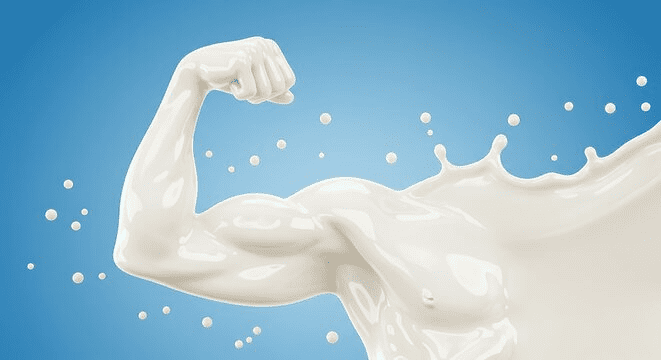
You don’t need a biology degree to understand why milk is so effective for muscle growth. The magic comes from its natural combination of protein, carbs, and fats — something no other single food delivers as perfectly.
Let’s break it down the simple way.
A. Milk Has the Perfect Protein Combo for Muscle Growth
Milk contains two powerful proteins:
- Whey protein (fast-digesting → builds muscle quickly)
- Casein protein (slow-digesting → keeps feeding muscles for hours)
Together, they create the ideal environment for building muscle.
Whey spikes muscle protein synthesis.
Casein keeps amino acids elevated for long periods.
This combo is why milk is literally built for growth.
B. Milk Gives You Carbs for Energy (And Recovery)
A lot of people underestimate this part.
Milk has natural carbohydrates — lactose — that fuel your workouts.
Carbs = glycogen
Glycogen = leg day power, stronger reps, more volume
If you’ve ever felt weak during leg day or chest day, there’s a good chance you weren’t fueled properly.
Milk solves this by giving you the carbs you need to:
- push heavier weight
- recover faster
- train harder
- build more muscle
This is what people mean when they say milk gives “clean bulking energy.”
C. Healthy Fats Boost Hormones That Build Muscle
Here’s something most people don’t realize:
Fats help regulate testosterone and other anabolic hormones.
Milk — especially whole milk — gives you:
- high-quality fats
- omega-3s (in grass-fed milk)
- cholesterol (the building block of testosterone)
A stable hormone environment = better muscle growth.
This is why many old-school bodybuilders swore by whole milk for size.
D. Milk Contains Calcium (Strong Bones = More Strength)
When you build muscle, your bones need to support that muscle.
Calcium helps with:
- bone strength
- joint stability
- muscular contractions
If your bones are weak, your lifts plateau.
Milk quietly strengthens the foundation your muscles grow on.
E. Milk Hydrates You Better Than Most Drinks
Milk naturally contains:
- electrolytes
- sodium
- potassium
- magnesium
These help you stay hydrated during intense sessions like squats, RDLs, and lunges.
Hydrated muscles = stronger contractions + better pumps.
F. Milk Has Extra Nutrients Most Lifters Never Think About
Milk also gives you:
- Vitamin D
- Vitamin B12
- Riboflavin
- Phosphorus
- Potassium
These support:
- energy metabolism
- red blood cell production
- muscle recovery
- strength output
All from one simple source.
G. The Real Secret: Milk Has “High-Quality Calories”
This is where milk becomes especially powerful for lifters.
If you want muscle growth, you need:
- enough protein
- enough carbs
- enough calories
Milk is one of the easiest ways to hit your targets without feeling stuffed or spending a ton of money.
And if you mix milk with whey protein?
You basically create the perfect muscle growth shake.
3. Milk vs Protein Shakes: Which Is Better for Muscle Growth?

People love debating this:
Should you drink milk or protein shakes for muscle growth?
But the truth is actually simple:
Milk and protein powder aren’t rivals — they’re two versions of the same thing. And when you use both, you get the best possible results.
Let’s break it down in a way that actually makes sense.
A. Important Clarification: Protein Powder Comes From Milk (But It Changes During Processing)
A lot of people don’t realize this…
Whey protein and casein protein both come directly from cow’s milk.
During the cheese-making process, milk separates into:
- Whey → the liquid (fast-digesting protein)
- Casein → the solid (slow-digesting protein)
Those proteins are then:
- filtered
- refined
- dehydrated
- turned into powder
So yes — protein powder is literally processed milk.
But here’s the key part:
❌ When milk becomes protein powder, it loses some of its natural benefits.
Processing removes:
- healthy fats (great for hormone support)
- carbs (the lactose that fuels your workouts)
- electrolytes (hydration + recovery)
- calcium + other micronutrients
- hormone-supporting nutrients
In short:
Protein powder becomes purer, leaner, and more “isolated” — but also less complete.
However…
✔ Processing dramatically increases the protein density.
- Milk: ~8g protein per cup
- Whey protein: ~20–25g per scoop
So whey gives you a high-powered blast of protein without the added calories.
Both versions have value — just in different ways.
B. Protein Shakes Are Fast and Convenient — But Not Complete
Protein shakes are amazing for:
- post-workout recovery
- quick muscle protein synthesis
- low-calorie diets
- hitting your protein targets fast
But they lack:
- carbs for energy
- fats for hormone balance
- hydration
- calcium
- vitamin D
- long-lasting fullness
- enough calories for growth
This is why so many people struggle to build muscle on protein shakes alone.
C. Milk Gives You a Complete Muscle-Building Package
Milk for muscle growth works because it provides EVERYTHING your body needs to build size naturally:
- Whey protein (fast)
- Casein protein (slow)
- Carbs → restores glycogen, boosts performance
- Fats → supports testosterone
- Electrolytes → improves hydration
- Calcium & Vitamin D → strengthens bones
- Easy calories → essential for growth
Milk is basically a natural, nutritious mass gainer — without the artificial junk.
D. Milk + Protein Powder = The Most Underrated Muscle-Growth Combo
If you want the best of BOTH worlds?
Mix your protein shake with milk instead of water.
You get:
- fast AND slow-digesting protein
- more calories for growth
- better taste
- longer-lasting energy
- a more anabolic environment
- better recovery
- more complete nutrition
This combo is a game-changer for:
- skinny guys
- beginners
- hardgainers
- anyone trying to build bigger legs, chest, or back
- anyone who wants more size without junk food
- anyone tired of slow progress
This is one of the most powerful (and affordable) muscle-building hacks in fitness.
E. MyProtein Impact Whey + Milk: The Perfect Match
MyProtein Impact Whey blends perfectly with milk because:
- it mixes ultra-smooth
- it tastes amazing
- it gives you 20g+ of high-quality protein
- it’s affordable
- it pairs perfectly with milk’s natural casein and nutrients
👉 Mix one scoop of Impact Whey with a cup of milk to create a simple, powerful muscle-growth shake.
Use Code MYPAFF for 40% Off
(Get MyProtein Now For a Discount)
F. So Which One Should You Use?
Use Milk If You Want:
- more calories
- natural growth
- better recovery
- slower protein release
- stable hormones
- affordable gains
Use Protein Powder If You Want:
- fast digestion
- convenience
- low calories
- immediate post-workout protein
Use Both If:
- you want maximum muscle growth
- you’re bulking
- you’re a hardgainer
- you want bigger legs, chest, back
- you want consistent progress
This is how you truly unlock milk for muscle growth in the most effective way possible.
4. The Best Types of Milk for Muscle Growth (Ranked & Explained)
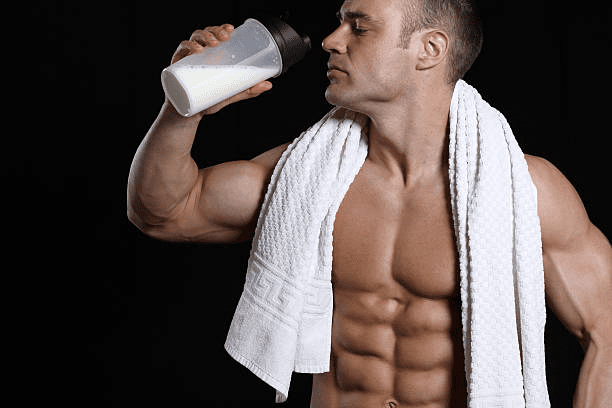
When it comes to milk for muscle growth, not all milk is the same.
Some types are better for bulking…
some are better for lean muscle…
and some are honestly just weak options pretending to be healthy.
Here is the definitive guide to the best types of milk for muscle growth, ranked from strongest to weakest — with the clarifications most fitness articles never talk about.
🥇 1. Whole Milk — The #1 Choice for Bulking & Maximum Muscle Growth
Whole milk is the best option if your main goal is size, strength, and mass.
Why Whole Milk Builds Muscle So Well
- Highest calorie milk
- Contains healthy fats → supports testosterone
- Best for hardgainers
- Great for leg day recovery
- Slow-digesting casein + fast-digesting whey
- Helps you hit a calorie surplus effortlessly
Whole milk is basically a natural mass gainer — without the artificial ingredients.
Best For:
- Skinny guys
- Hardgainers
- Anyone trying to build size fast
- People who struggle to hit calorie goals
🥈 2. 2% Milk — The Best “Everyday” Milk for Most Lifters
If whole milk feels too heavy, 2% milk is the perfect middle ground.
Why 2% Works for Muscle Growth
- Enough fat to support hormones
- Good calories without being too filling
- Great balance of whey + casein
- Easy to digest
- Fits lean bulk and mainenance
Best For:
- Intermediate lifters
- People gaining muscle without overeating
- Anyone wanting a balanced, daily option
This is the best long-term milk for most people.
🥉 3. Fairlife Milk — Best High Protein Milk (But Not #1)
Fairlife is popular because it contains more protein per cup than regular milk — around 13g instead of 8g.
Why Fairlife Is Amazing
- Higher protein
- Lactose-free
- Lower sugar
- Ultra-filtered for digestion
- Great taste and consistency
- Perfect for lean muscle
But here’s why it’s not #1 for overall muscle growth:
A. Lower Calories → Not Ideal for Bulking
Whole milk: ~150+ calories
Fairlife: ~80–120
A hardgainer needs calories — not just protein.
B. Less Natural Fat
Fairlife’s filtering removes some natural fats that support:
- testosterone
- hormone health
- anabolic environment
C. It’s More Processed
Not always bad, but it does lose:
- some vitamins
- natural structure of fat
- natural lactose carbs
- a bit of the micronutrient balance
D. It’s More Expensive
For people drinking milk daily, this matters.
Best For:
- Women building lean muscle
- People in a calorie deficit
- Lactose-intolerant lifters
- Anyone who wants high protein without bulking
4. Lactose-Free Milk — Best for Sensitive Stomachs
If you can’t digest lactose, lactose-free milk still delivers:
- whey protein
- casein protein
- fats
- calcium
- vitamin D
All the muscle-building benefits, zero discomfort.
Best For:
- Lactose-intolerant lifters
- Anyone who wants dairy benefits without bloating
5. Chocolate Milk — Surprisingly Great Post-Workout
Chocolate milk consumption gets a special mention.
Why Athletes Use It
- Carbs → refill glycogen
- Protein → repair muscle
- Fast recovery window
- Cheap
- Tastes great
Caution:
The added sugar makes it a recovery drink, not a daily muscle-building drink.
Best For:
- Post-leg-day recovery
- High-intensity sports
- People who struggle to eat after workouts
6. Skim Milk — Great for Cutting or Lean Muscle
Skim milk is very low in calories and fat but still has:
- whey
- casein
- calcium
- vitamin D
Best For:
- Cutting phases
- People wanting lean muscle but not bulking
- Anyone watching calories closely
7. Oat Milk, Almond Milk & All Plant-Based Milks — Weakest for Muscle Growth
Here’s the honest truth:
Plant-based milks are NOT good for muscle growth.
Why?
- Very low protein
- No whey
- No casein
- No anabolic fats
- Mostly water and fillers
- Often contain seed oils or gums
- No natural hormone support
Even “protein oat milk” or “almond protein” can’t match animal proteins.
👉 Animal-based proteins build muscle far more effectively than plant-based ones.
This is a fact supported by decades of research, especially regarding muscle protein synthesis.
Best For:
- Vegans
- People who cannot tolerate dairy at all
- Coffee drinkers who want lighter milk
But if your focus is muscle growth, these are the weakest options.
⭐ Honorable Mentions (Raw Milk & Goat Milk — Quick Clarification)
Before we move on, let’s quickly address two types of milk people often bring up online:
Is Raw Milk Good For You
If you’re looking for information about raw milk, this isn’t the place for it — and I’ll be honest with you: I’m not a supporter of raw milk.
Personally, I don’t subscribe to the supposed “superfood benefits” of raw milk, no matter what some politicians or influencers (like RFK Jr.) may claim.
Here’s why:
- raw milk isn’t widely sold for a reason
- it carries a legitimate food safety risk
- it’s expensive and inconvenient
- and regular whole milk works just fine for muscle growth
If you want to explore that rabbit hole, you won’t find it here — I prefer sticking to safe, accessible, affordable and PROVEN options that have stood the test of time.
Goat Milk
Goat milk is a more interesting topic.
There are some benefits:
- easier digestion for some people
- strong micronutrient profile
- solid fats for hormone support
But there’s one big issue:
It isn’t widely available.
Most grocery stores don’t carry it, and it’s usually more expensive.
Because of that, I’m not including it in the official ranking.
But if you want a full breakdown of goat milk — benefits, drawbacks, and how it compares to cow’s milk for muscle growth — leave a comment on the blog post, and I’d be happy to create a deep-dive.
5. How Much Milk Should You Drink Per Day for Muscle Growth?
(And Why I Don’t Recommend the GOMAD Challenge)
Now that we’ve covered the best types of milk for muscle growth, the next big question is:
How much should you drink per day?
Let’s break it down—because different goals need different intakes.
🥛 For Lean Muscle (Most People)
1–2 cups of milk per day is perfect.
This gives you:
- 8–16g protein
- extra calories
- whey + casein
- vitamins & minerals
- recovery support
All without overdoing it.
This is the ideal amount for the majority of lifters.
🥛 For Bulking / Skinny Guys / Hardgainers
2–4 cups per day is a great sweet spot.
This helps you:
- hit a calorie surplus
- get more protein
- stay full
- recover faster
- grow stronger
This amount is enough to make noticeable progress without excess calories.
🥛 For Aggressive Bulking
Up to 3–5 cups per day can work for people who truly struggle to gain weight.
But this is where we need to have a real conversation…
🚫 About the GOMAD Challenge (Gallon of Milk a Day)
There’s an old-school bulking method called GOMAD—short for:
Gallon Of Milk A Day
That’s 128 ounces of milk.
Between 2,300–2,500 calories just from milk alone.
Back in the day, some powerlifters and strongmen swore by it.
But here’s my honest take:
❌ I do NOT recommend GOMAD. At all.
Here’s why:
1. It’s way too many calories
A gallon of milk is basically “force-feeding calories.”
Most people will gain fat, not just muscle.
2. It can wreck your digestion
High lactose intake → bloating, gas, stomach cramps, bathroom emergencies.
3. It’s not sustainable
No one wants to drink a gallon of milk every day long-term.
It’s uncomfortable and unnecessary.
4. It can spike acne in some people
Not everyone — but it’s common.
5. It doesn’t match modern training
GOMAD came from a time when people lifted insanely heavy, 5–6 days a week, with crazy volume.
Most people today don’t train like 1970s powerlifters.
6. You can build muscle just fine without overdoing milk
A few cups a day is more than enough.
7. And let’s be real… it’s super expensive
Milk prices are WAY higher now.
Buying a gallon every single day is crazy.
Idk about you, but there’s no way I’m buying a gallon of milk a day in this economy.
A few cups? Sure.
A gallon? No shot.
8. There are smarter, more balanced ways to bulk
- milk
- whey protein
- creatine
- real food
- calorie surplus
- consistency
You don’t need extreme methods to grow.
So What’s the Recommended Amount?
Here’s the clean, simple guideline:
✔ 1–2 cups/day → lean muscle, great recovery
✔ 2–4 cups/day → bulking, hardgainers, skinny guys
✔ 3–5 cups/day → aggressive bulking (not recommended for everyone)
❌ A gallon/day → unnecessary and unhealthy for most people
Milk is powerful — but you don’t need to drown in it.
6. The Milk + Creatine + Protein Powder Trio (The Most Underrated Muscle Building Stack)
If you want simple, affordable, and highly effective muscle growth…
you don’t need expensive supplements or complicated meal plans.
You really only need three things:
Milk + Creatine + Protein Powder
This trio is the most underrated, beginner-friendly, scientifically backed muscle-building combo out there. And it works for:
- beginners
- skinny guys
- women trying to build lean muscle
- busy adults
- lifters who want real mass without junk food
Let’s break down why these three work so well together.
A. Milk Sets the Foundation
We’ve already covered why milk for muscle growth is so powerful:
- whey + casein
- carbs for energy
- healthy fats for hormones
- electrolytes
- easy calories
- better recovery
Milk provides the base nutrition your muscles need to grow.
B. Whey Protein Completes the Protein Profile
Whey protein is basically a supercharged version of milk protein.
It gives you:
- fast-digesting amino acids
- high leucine (which triggers muscle growth)
- 20–25g protein per scoop
- convenience
- low calories if mixed with water
- high calories if mixed with milk
This is why mixing whey with milk creates the perfect muscle building shake.
And since you also want affiliate integration:
➡️ MyProtein Impact Whey
This is the whey I personally use because:
- it mixes really well with milk
- it tastes great
- it’s affordable
- it gives clean, high-quality protein
- it’s one of the best for beginners and long-term lifters
(Click Here For MyProtein Berry Cheesecake For 40% Off)
Use Code MYPAFF
C. Creatine Makes the Whole Muscle Building Stack Stronger
Creatine is the most researched supplement in the world.
What it does:
- increases muscle strength
- increases power
- increases muscle fullness
- increases energy for heavy reps
- helps you build more muscle faster
When you pair creatine + milk + whey, you get:
- complete protein
- higher calories
- more strength
- more reps
- better recovery
- more muscle-building potential
It’s simple science and consistency — not hype.
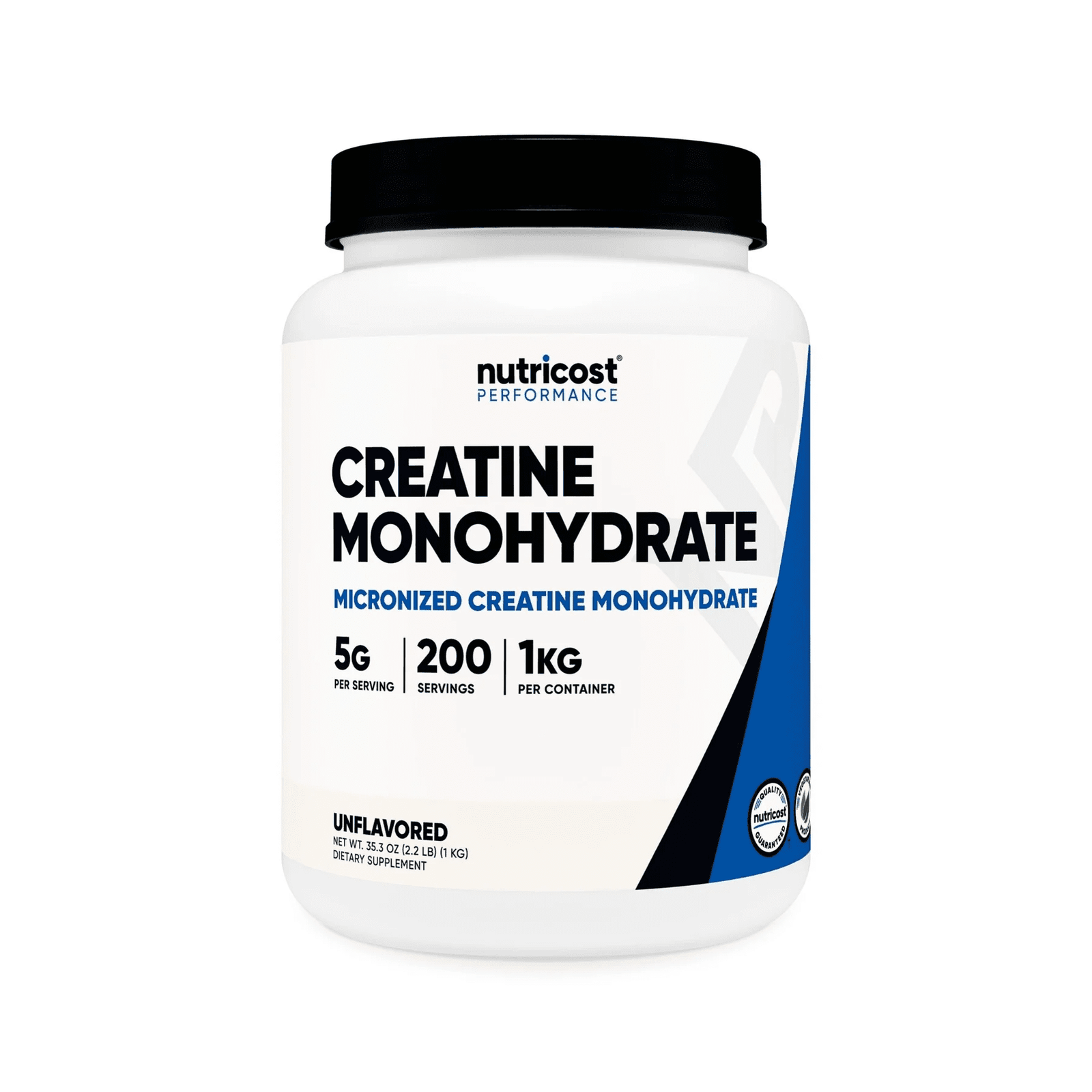
➡️ MyProtein Creatine Monohydrate
Clean, pure, unflavored creatine.
Mix it into your milk protein shake and you’re done.
(MyProtein Creatine Under $15! Use Code MYPAFF)
D. Cronometer Helps You Track It All
You already know this, but I’ll say it because your readers need it:
If you’re not tracking calories, you’re guessing. And guessing never works.
Milk + whey + creatine work best when you:
- hit your protein target
- hit your calorie target
- don’t under-eat
- don’t over-eat
Cronometer makes this easy.
You can:
- scan barcodes
- log food by photo
- track protein
- track calories
- track macros
- sync with Apple Health / Garmin / fitness apps
This is one of the best fitness tools for beginners, and it fits your post perfectly.
(Track Your Calories For Free With Cronometer)
Why This Trio Works So Well
To keep it simple:
Milk → nutrients + calories + natural proteins
Whey → fast protein + muscle repair
Creatine → power + strength + fullness
Cronometer → keeps you on track
When you use all three consistently?
You will:
- build more muscle
- recover faster
- get stronger
- feel more energized
- break plateaus
- see real transformation
No gimmicks.
No complicated routines.
Just simple, proven, effective tools.
8. My Personal Experience With Milk and Muscle Growth (And What I Learned Over 10 Years of Training)
I’ll be honest — I didn’t always understand how powerful milk was for muscle growth.
When I first started lifting over 10 years ago, I made every mistake in the book.
I tried:
- mass gainers
- fast food bulking
- endless protein bars
- complicated supplements
- high-calorie smoothies filled with random ingredients
And even after all that effort, I still struggled to gain weight.
I was that naturally skinny guy who trained hard but never seemed to grow.
It wasn’t until much later that I realized the truth:
I wasn’t eating enough.
And I wasn’t recovering enough.
Milk ended up being one of the simplest fixes in my entire fitness journey.
milk is an ideal choice for:
- easy calories
- complete protein
- steady energy
- better recovery
- and something I could actually stick to every day
I didn’t need fancy supplements or extreme diets.
I just needed consistency — and milk made consistency easier for muscle growth and recovery.
Over the years, I’ve learned that some of the most effective muscle-building tools are the ones people overlook because they seem “too simple.”
But simple works.
And if you combine milk with:
✔ A structured training plan
(See my guide: How to Build Bigger Legs)
✔ Enough protein
✔ The right supplements
✔ A calorie surplus
(Cronometer: Track Your Calories the Easy Way)
Then muscle growth becomes predictable — not hopeful.
I’ve tried just about everything in the fitness world.
Some things work.
Some are overhyped.
But milk remains one of the most underrated, accessible, and affordable muscle-building tools out there.
Not because it’s trendy…
Not because it’s exciting…
But because it actually works.
And sometimes, going back to basics is what creates the biggest transformation for your muscles when you drink milk
Frequently Asked Questions About Milk For Muscle Growth
1. Does milk actually help build muscle?
Yes — milk is one of the most effective muscle-building foods available.
It contains:
whey protein (fast-digesting)
casein protein (slow-digesting)
healthy fats
carbs for workout energy
calcium and vitamin D
electrolytes
easy calories
This combination makes milk ideal for recovery, growth, and overall strength development
2. Is whole milk or skim milk better for muscle growth?
It depends on your goals.
Whole milk → best for bulking, skinny guys, and gaining size
2% milk → best for everyday muscle building
Skim milk → best for cutting or lean muscle goals
Whole milk provides more calories and fats, which support testosterone and mass gain.
3. Is Fairlife milk good for muscle growth?
Yes — Fairlife is one of the best high-protein milk options.
It’s lactose-free, lower in sugar, and contains more protein per cup.
But it’s not #1 overall because:
it has fewer calories
it removes some natural fats during filtering
it’s more expensive
Still, it’s excellent for lean muscle growth or if you’re lactose-intolerant.
4. Is chocolate milk good after a workout?
Surprisingly, yes.
Chocolate milk is one of the best natural post-workout drinks because:
the carbs replace glycogen
the protein repairs muscle
the sugar helps recovery
it’s affordable and widely available
Just don’t overdo it if you’re trying to stay in a calorie deficit.
5. Is plant-based milk good for muscle building?
No.
Oat milk, almond milk, soy milk, and other plant milks have:
low protein
no whey
no casein
low calories
weaker muscle-building potential
Animal-based proteins build muscle more effectively than plant-based alternatives.
Plant milks are fine for general drinking, but they’re not ideal for muscle growth.
6. How much milk should I drink for muscle growth?
Here’s a simple guideline:
1–2 cups/day → lean muscle
2–4 cups/day → bulking / skinny guys
3–5 cups/day → aggressive bulking
❌ A gallon/day (GOMAD) → NOT recommended
You don’t need extreme amounts of milk to make progress.
7. Do I need milk to build muscle?
No — you don’t need milk.
You can build muscle without it.
But milk is:
affordable
convenient
nutritious
calorie-dense
effective
So while it isn’t required, it does make muscle growth a lot easier, especially if you struggle to eat enough calories.
8. Is milk bad for you?
For most people, no.
Milk is safe, nutritious, and highly beneficial for strength training.
The only exceptions are:
lactose intolerance
dairy allergies
digestive issues with high lactose intake
In those cases, lactose-free or Fairlife are great alternativ
Conclusion — Milk Is the Muscle-Building Secret Hiding in Plain Sight
At the end of the day, building muscle isn’t about chasing trends, buying every new supplement, or following whatever diet is trending on TikTok this month.
It’s about consistency, nutrition, and putting in the work.
And milk — something most of us stopped drinking after childhood — happens to be one of the most effective, affordable, and underrated tools for real muscle growth.
We tell kids to drink milk so they grow up “big and strong.”
We stop doing it as adults… even though the goal hasn’t changed.
Milk gives you:
- complete protein
- fast + slow digestion
- carbs for energy
- healthy fats for hormones
- electrolytes for recovery
- vitamins and minerals
- easy calories
All from a simple, accessible food that has supported athletes for generations.
You don’t need extreme bulks.
You don’t need a gallon a day.
You don’t need an expensive supplement stack.
You just need the basics — milk, protein, creatine, real food, smart training, and consistency.
If you apply the strategies in this guide, track your calories, use milk wisely, and train with purpose, you will build muscle.
Not overnight, not magically — but steadily, naturally, and confidently.
And remember:
If you want to transform your body, start with the habits that are simple, sustainable, and repeatable.
Small steps each day.
Small changes that compound.
Small wins that build momentum.
Action Creates Greatness — always.
Let’s keep growing.