
A few months ago, I broke down some of the most common myths about creatine, the ones that have been repeated in gyms and online for years.
But today, we’re focusing on something far more overlooked: creatine for seniors.
Because somehow, creatine got labeled as a supplement that’s only useful for young bodybuilders chasing size and strength.
And that misunderstanding has quietly kept many older adults from benefiting from one of the most researched compounds in sports and health science.
Creatine isn’t just about building muscle in your 20s.
In fact, after 50, creatine may become even more valuable, not only for preserving muscle mass and strength, but for supporting brain function, energy production, and healthy aging overall.
The problem?
Very few seniors are ever told that.
And that outdated narrative may be preventing older adults from using a supplement that could meaningfully support both muscle and cognitive health.
Let’s clear this up.
What Is Creatine? (And Why It Matters More As You Age)

If you’ve been reading ACG Fitness for a while, you probably remember my Creatine 101 article from last year where I broke down exactly what creatine is and how it works in the body.
But let’s quickly recap — especially through the lens of healthy aging.
Creatine is a naturally occurring compound found in your muscles and brain. Your body produces some of it on its own, and you also get small amounts from foods like red meat and fish.
Its main job?
Helping your cells produce energy.
More specifically, creatine helps regenerate something called ATP — which is essentially your body’s quick-access fuel source. Every time you lift a weight, stand up from a chair, climb stairs, or even think intensely, you’re using ATP.
When ATP runs low, your strength, power, and even mental sharpness can decline.
And here’s where aging comes in.
As we get older:
• Natural creatine stores tend to decline
• Muscle mass gradually decreases (sarcopenia)
• Energy production becomes less efficient
• Recovery slows down
That combination is exactly why creatine for seniors is starting to get more attention in research.
Because while creatine is often marketed to 20-year-olds trying to get bigger arms, its real value might actually show up later in life — when maintaining muscle, balance, strength, and cognitive clarity becomes far more important than chasing aesthetics.
Creatine isn’t a steroid.
It’s not a hormone.
It’s not a stimulant.
It’s simply a compound that helps your body produce energy more efficiently.
And after 50, energy efficiency becomes everything and it’s safe and effective for older adults.
Why Creatine for Seniors Matters More After 50
Here’s the part most people don’t talk about.
Creatine is helpful at 25.
But it may be even more important at 55.
After 50, the body naturally starts losing muscle mass at a faster rate. This process — often called sarcopenia — isn’t dramatic at first. It happens slowly. Subtly. A little strength disappears here. A little balance declines there.
But over time, that loss adds up.
And muscle after 50 isn’t just about looking strong — it’s about staying independent.
It’s about:
• Getting up from a chair without struggle
• Carrying groceries confidently
• Preventing falls
• Maintaining posture
• Protecting bone density
When muscle mass declines, strength declines. When strength declines, mobility and stability follow.
This is where creatine for seniors becomes different from creatine for bodybuilders.
A 22-year-old takes creatine to bench more.
A 62-year-old might take creatine to preserve functional strength — the kind that protects quality of life.
But muscle isn’t the only reason this matters.
As we age, energy production in the brain also becomes less efficient. And remember — creatine’s primary job is supporting cellular energy.
The brain uses a tremendous amount of energy every single day.
Emerging research suggests creatine supplementation may support:
• Cognitive performance
• Mental fatigue resistance
• Memory tasks
• Brain energy metabolism
We’re not saying it’s a miracle pill.
But when we talk about healthy aging in 2026, we can’t ignore muscle AND brain health.
And that’s why creatine for seniors deserves more attention than it’s currently getting.
It’s not about getting bigger.
It’s about staying capable.
Its also very important for keeping your mitochondria healthy as you age. I break it all down in my latest post about The problem with mitochondria after 50
Creatine for Muscle Maintenance Over 50
If you read my recent article on muscle loss after 50, you already know this:
The real danger isn’t gaining fat.
It’s losing muscle.
After 50, adults can lose roughly 1–2% of muscle mass per year if they’re not actively training and supporting recovery. That may not sound dramatic — but over a decade, that’s significant.
And muscle isn’t just cosmetic.
It controls:
• Strength
• Balance
• Metabolism
• Joint protection
• Bone stability
Here’s where creatine for seniors becomes powerful.
When you combine creatine supplementation with resistance training, research consistently shows:
• Greater strength gains
• Better muscle retention
• Improved power output
• Faster recovery between sessions
And here’s the key difference:
You don’t need to train like a bodybuilder to benefit.
Even moderate resistance training 2–3 days per week, combined with creatine can help older adults preserve lean mass more effectively than training alone.
Why?
Because creatine increases phosphocreatine stores in muscle tissue, which helps regenerate ATP — the energy your muscles rely on during effort.
More available energy =
• Stronger contractions
• Better training quality
• Slightly improved muscle-building stimulus
Over time, that small edge compounds.
And after 50, small edges matter.
Especially if your goal is:
• Preventing frailty
• Supporting posture
• Maintaining independence
• Avoiding the slow slide into weakness
Creatine doesn’t replace strength training.
But it can amplify it.
And when muscle preservation becomes the priority not aesthetics that amplification is valuable.
Creatine and Brain Health in Older Adults
When most people think about creatine, they picture muscle.
But your brain uses a massive amount of energy every single day.
In fact, the brain consumes about 20% of your body’s total energy even though it only makes up a small percentage of your body weight.
And just like muscle tissue, brain cells rely heavily on ATP.
Remember earlier when we talked about creatine’s main job?
It helps regenerate ATP your body’s quick access energy system.
That doesn’t just apply to lifting weights.
It applies to thinking, memory, focus, and mental endurance.
As we age, cellular energy production becomes less efficient. Mitochondrial function declines. Recovery slows. Mental fatigue can show up faster.
This is where research around creatine for seniors gets interesting.
Studies have suggested that creatine supplementation may:
• Support short-term memory performance
• Improve mental fatigue resistance
• Help during cognitively demanding tasks
• Support overall brain energy metabolism
We’re not claiming creatine prevents dementia.
We’re not calling it a miracle supplement.
But when something safely supports cellular energy and both muscles and brain cells rely on that same energy system it deserves attention.
Especially after 50.
Because healthy aging isn’t just about:
✔️ Maintaining muscle
✔️ Avoiding falls
✔️ Staying strong
It’s also about:
✔️ Staying sharp
✔️ Thinking clearly
✔️ Maintaining independence mentally and physically
That’s why creatine for seniors isn’t just a strength supplement.
It’s an energy supplement.
And after 50, energy is everything.
Is Creatine Safe for Seniors? And How Much Should You Take?
Let’s address the biggest concern first.
Is creatine safe for seniors?
For healthy adults, research consistently shows that creatine monohydrate is one of the most studied and safest supplements available.
It is:
• Not a steroid
• Not a hormone
• Not a stimulant
• Not harmful to healthy kidneys when taken at recommended doses
In fact, creatine has been studied for decades not just in athletes, but increasingly in older adults.
Now, there are exceptions.
If someone has pre-existing kidney disease or serious medical conditions, they should always consult a physician before supplementing. That applies to any supplement, not just creatine.
But for otherwise healthy older adults, creatine monohydrate is widely considered safe when taken responsibly.
How Much Creatine Should Seniors Take?
The simple answer:
3–5 grams per day.
No complicated loading phase required.
No cycling necessary.
Just a consistent daily dose.
Over time, this helps saturate muscle and brain tissue with phosphocreatine, improving energy availability.
And consistency matters more than timing.
You can take it:
• With water
• In a protein shake
• With a meal
The key is daily use.
Choosing a Reliable Creatine
Not all supplements are created equal.
For creatine for seniors, you want:
• Creatine monohydrate (the most researched form)
• No unnecessary additives
• Third-party tested if possible
• Affordable enough to stay consistent
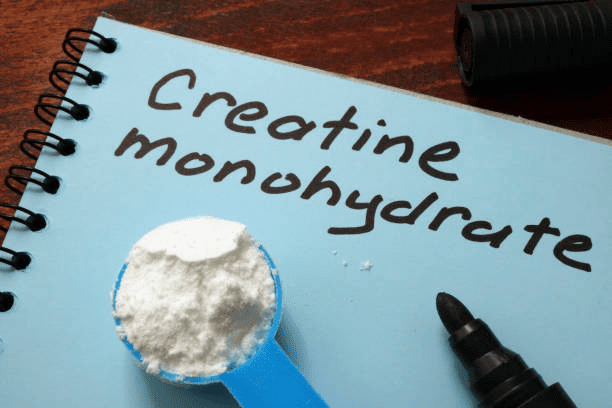
That’s why I often recommend MyProtein’s creatine monohydrate.
It’s:
✔️ Simple and effective
✔️ Lab-tested
✔️ No unnecessary fillers
✔️ One of the more affordable options per serving
And if you’re part of the ACG Fitness community, you can use code MYPAFF for 40% off directly on the MyProtein website, which makes it even more cost-effective long term.
Shop MyProtein Here 👉 https://tidd.ly/3OllcCC
Because consistency is what delivers results and affordability makes consistency possible.
What Results Can Seniors Expect From Creatine — And How Long Does It Take?
Let’s keep this realistic.
Creatine is not a miracle supplement.
You won’t wake up stronger overnight.
You won’t suddenly feel 25 again.
But when creatine for seniors is combined with resistance training, consistency, and adequate protein intake, here’s what research and real-world experience suggest you can expect.
🟢 In the First 1–2 Weeks
• Slight increase in muscle fullness
• Improved workout endurance
• Less early fatigue during strength training
• Subtle strength improvements
This happens because muscle creatine stores begin to saturate, allowing better ATP regeneration during effort.
You may not “feel” it dramatically — but you may notice:
“I’m getting a few more reps than usual.”
“Getting up from a chair feels slightly easier.”
“I’m not as wiped out after my workout.”
Small improvements.
But small improvements compound.
🟢 After 4–8 Weeks
This is where creatine for seniors becomes more noticeable.
When paired with lifting 2–3 times per week, many older adults experience:
• Better strength retention
• Slight lean mass improvements
• Faster recovery between sessions
• Improved performance in functional movements
Remember:
After 50, the goal isn’t to bulk up.
It’s to prevent decline.
If creatine helps slow muscle loss or slightly improve strength output, that’s a big win over time.
🟢 Long-Term (3–6 Months and Beyond)
This is where the real benefit shows up.
Not dramatic transformation.
But preservation.
• Maintaining muscle mass longer
• Supporting bone stability indirectly
• Improving confidence in movement
• Possibly supporting mental clarity
And here’s something important:
Creatine doesn’t build muscle by itself.
It enhances the effect of training.
If someone isn’t strength training at all, creatine alone won’t solve muscle loss.
But when combined with:
• Resistance training
• Adequate protein intake
• Quality sleep
• Smart recovery
It becomes a powerful support tool.
The Honest Truth
If you’re expecting dramatic changes in a week, you’ll be disappointed.
If you’re using creatine for seniors as part of a long-term healthy aging strategy, you’re thinking correctly.
This is about stacking small advantages.
And over years, small advantages separate:
• Frailty vs strength
• Instability vs confidence
• Decline vs independence
That’s the difference.
FAQ: Creatine for Seniors
Is creatine safe after 50?
For healthy adults, creatine monohydrate is widely considered safe and is one of the most researched supplements available.
Studies involving older adults show that creatine for seniors can be safely used at recommended doses (3–5 grams per day) when kidney function is normal.
If someone has pre-existing kidney disease or serious medical conditions, they should consult their doctor first. But for most healthy adults over 50, creatine is not dangerous, not a steroid, and not harmful when used properly.
Can you regain muscle loss after 50?
Yes — but it requires action.
Muscle loss after 50 (sarcopenia) is common, but it is not irreversible.
With:
Resistance training 2–3 times per week
Adequate protein intake
Proper recovery
And potentially creatine supplementation
Older adults can regain strength and even build lean muscle mass.
Creatine for seniors enhances training quality, which makes muscle maintenance over 50 more achievable.
But it does not replace lifting weights.
How much creatine should seniors take?
The standard dose is:
3–5 grams per day.
No loading phase required.
No cycling necessary.
Consistency matters more than timing.
Take it daily, ideally alongside strength training and adequate protein intake.
Does creatine help brain health in older adults?
Emerging research suggests creatine may support brain energy metabolism.
Because the brain relies heavily on ATP (energy), and creatine helps regenerate ATP, some studies show potential benefits for:
Mental fatigue resistance
Short-term memory tasks
Cognitive performance under stress
While creatine is not a treatment for cognitive disease, creatine for seniors may support overall brain energy efficiency as part of a healthy aging strategy.
What are the side effects of creatine for seniors?
Most people tolerate creatine very well.
Possible mild side effects may include:
Temporary water retention
Mild stomach discomfort (if taken on an empty stomach)
These are usually minor and can be minimized by:
Taking creatine with food
Staying hydrated
Using a high-quality creatine monohydrate product
Serious side effects are rare in healthy individuals.
Should seniors take creatine if they don’t lift weights?
Creatine works best when paired with resistance training.
If someone is not strength training at all, creatine alone will not significantly prevent muscle decline.
However, when combined with even moderate strength training, creatine for seniors can help preserve muscle and improve strength output.
The supplement supports the effort — it does not replace it.
Conclusion
Creatine has been misunderstood for years.
It was marketed as a supplement for young lifters chasing size — and somewhere along the way, older adults were left out of the conversation.
But when you look at the science honestly, creatine for seniors may be one of the most practical, well-researched tools available for healthy aging.
After 50, the goal changes.
It’s no longer about chasing numbers in the gym.
It’s about:
• Preserving muscle after 50
• Maintaining strength and balance
• Supporting brain energy
• Staying independent
• Slowing down unnecessary decline
If you read my recent article on muscle loss after 50, you already know that the biggest mistake older adults make isn’t gaining weight — it’s allowing muscle to quietly disappear.
Creatine isn’t a shortcut.
It isn’t a replacement for lifting weights, eating enough protein, or getting quality sleep.
But when paired with resistance training and proper nutrition, creatine for seniors can be a powerful support tool for both muscle maintenance over 50 and cognitive health.
Small advantages compound.
A few more reps.
A little better recovery.
Slightly better energy.
Over years, those small advantages separate frailty from strength.
So if you’re over 50 — or planning to be one day — don’t let outdated gym myths stop you from learning about tools that may support your long-term health.
Train smart.
Eat enough protein.
Recover properly.
Consider evidence-based support where appropriate.
Because aging is inevitable.
Weakness is not.
And remember
Action Creates Greatness.