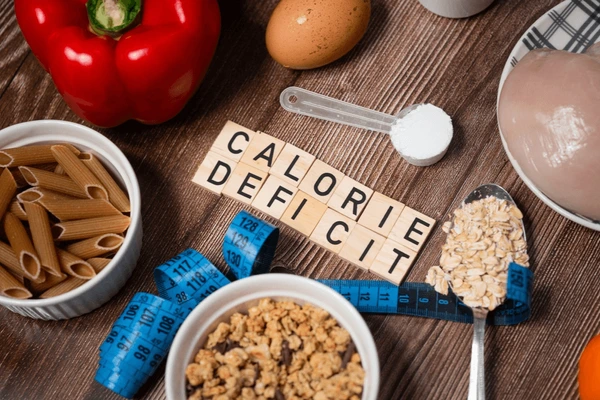
If you’re wondering:
👉 “Why am I not losing weight in a calorie deficit?”
You’re not alone.
This is one of the most frustrating situations to be in.
You feel like you’re doing everything right…
- you’re eating less
- you’re trying to stay active
- you’re putting in the effort
But the scale isn’t moving.
Or maybe it’s barely moving at all.
At that point, it’s easy to start thinking:
- Is my metabolism broken?
- Am I eating the wrong foods?
- Is a calorie deficit even working?
I’ve seen this happen to a lot of people — and I’ve been there myself at times too.
The truth is…
👉 If your calorie deficit isn’t working, there’s always a reason.
It’s not random, and it’s definitely not because fat loss “just doesn’t work for you.”
Most of the time, it comes down to a few common mistakes that are easy to overlook.
Before we break it all down, I made a quick video covering 5 reasons you might not be losing weight in a calorie deficit.
👇 Check it out below — and don’t forget to subscribe for more simple, real-world fitness advice you won’t always see on the blog.
Now let’s get into the part that actually matters:
👉 what to do when your calorie deficit is not working… and how to start seeing real results.
🧱 Fix #1: You’re Not Actually in a Calorie Deficit
If you’re not losing weight in a calorie deficit, we need to clear something up first.
👉 You might not actually be in one.
And that can go in two completely different directions.
Some people are eating more than they think…
And others are doing the opposite.
👉 They’re cutting calories way too aggressively.
The “eating too little” problem
This is something I touched on in my video, and it’s worth repeating here.
When you drop your calories too low too quickly, your body doesn’t just sit there and burn fat faster.
It adapts.
Your energy drops.
Your movement slows down.
Your workouts feel worse.
And over time, your body becomes more efficient at holding onto energy.
This is often referred to as metabolic adaptation — but you don’t need to overcomplicate it.
👉 Your body is just trying to survive.
So even though you feel like you’re doing everything right…
👉 fat loss slows down or stalls.
The “eating too much” problem
Then you’ve got the other side.
You think you’re in a calorie deficit…
But small things are adding up:
- portions are a little bigger than you think
- snacks don’t get tracked
- calories from drinks, oils, and extras get overlooked
And now you’re stuck in that frustrating spot:
👉 “I’m eating in a calorie deficit but not losing weight…”
When in reality…
👉 the deficit isn’t consistent.
Why you need a starting point
This is why guessing doesn’t work long term.
If you don’t know roughly how many calories your body needs…
👉 it’s very easy to overshoot or undershoot.
That’s where having a maintenance calorie estimate helps.
Not because it has to be perfect…
But because it gives you a starting point to adjust from.
I built a simple calculator to help you estimate this…
Maintenance Calorie Calculator Maintenance Calorie Calculator
Find your estimated maintenance calories, plus simple cutting and bulking targets.
BMR
0Calories burned at complete restMaintenance Calories
0Estimated calories to maintain weightThis calculator gives an estimate using the Mifflin-St Jeor formula. Real maintenance calories can vary based on body composition, stress, sleep, hormones, and activity outside the gym.
👉 The takeaway
Before you stress about workouts, supplements, or anything else…
👉 make sure you’re actually in a sustainable calorie deficit.
Not too aggressive.
Not too loose.
Just consistent.
Because once that’s dialed in…
👉 everything else starts to fall into place.
🧱 Fix #2: You’re Not Tracking as Consistently as You Think
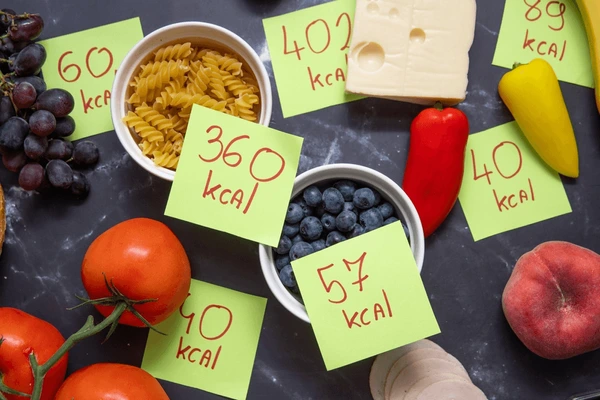
Even if you have a rough idea of your calories…
👉 it doesn’t matter much if you’re not consistent with it.
This is where a lot of people get stuck.
They’re not completely off — they’re just inconsistent enough that their calorie deficit isn’t working the way they expect.
The “I’m doing good most of the time” mindset
You might feel like you’re on track.
During the week, everything looks solid:
- meals are more controlled
- portions feel reasonable
- you’re making better choices
But then life happens.
The weekend rolls around.
You go out to eat.
You stop tracking for a day or two.
And it turns into:
👉 “I’ll just estimate this…”
👉 “This one meal won’t matter…”
The problem is…
👉 those small moments add up faster than you think.
Why this makes it feel like nothing is working
This is where people start saying:
👉 “I’m eating in a calorie deficit but not losing weight…”
Or:
👉 “My calorie deficit is not working.”
But what’s really happening is this:
You might be in a deficit for a few days…
…and then out of it for a few days.
So over the course of the week, everything balances out.
👉 and fat loss stalls.
Being honest with yourself (this part matters)
I’ll be honest with you…
👉 I’ve been that person who tracks everything.
Every bite, every snack — to the point where my friends and coworkers probably got tired of hearing about it.
But doing that, even for a short period of time, teaches you a lot.
You start to see:
- how quickly calories add up
- how easy it is to underestimate portions
- how different “a serving” actually looks
And that awareness is what most people are missing.
Tools can help — if you use them right
If you’re trying to figure out what to do when a calorie deficit is not working…
👉 this is one of the easiest places to tighten things up.
You don’t need to track perfectly forever.
But tracking more consistently, even for a couple of weeks can give you a much clearer picture of what’s actually going on.
Using something like Cronometer can make this a lot easier, especially if you want to understand exactly what your body is taking in each day.
👉 The takeaway
If you’re not losing weight in a calorie deficit, take a step back and look at your consistency.
Not just on your best days…
👉 but across your entire week.
Because when your tracking becomes more consistent…
👉 your results usually do too.
🧱 Fix #3: You’re Not Eating Enough Protein

If you're still asking yourself why am I not losing weight in a calorie deficit and it’s not working the way you expect…
👉 protein might be the missing piece.
This is something a lot of people overlook.
They focus on eating less…
But not on what they’re actually eating.
If you are eating in a calorie deficit but not losing weight, the lack of protein may be the problem.
Why protein matters for fat loss
When you’re in a calorie deficit, your body isn’t just losing fat.
It can also lose muscle if you’re not careful.
And that’s a problem.
Because muscle is what helps:
- keep your metabolism higher
- maintain strength
- give your body that lean, defined look
Without enough protein, you’re making it harder for your body to hold onto that muscle.
The hunger problem
There’s another big reason protein matters.
👉 it keeps you full.
If you’ve ever tried to cut calories while eating low-protein meals, you probably know how that feels.
You’re hungry all the time.
You’re thinking about food constantly.
And eventually…
👉 you eat more than you planned.
This is one of the biggest reasons people feel like their calorie deficit not working.
Why this affects your results
If you’re eating in a calorie deficit but not losing weight, it’s not always just about calories.
👉 it’s about how sustainable those calories are.
Low protein diets tend to:
- increase hunger
- reduce energy
- make it harder to stay consistent
And when consistency drops…
👉 results slow down or stop altogether.
What “enough protein” actually looks like
You don’t need to overcomplicate this.
A simple target for most people is:
👉 around 0.7–1 gram of protein per pound of body weight
You don’t have to hit it perfectly every day.
But getting close consistently makes a big difference.
Making it practical (and affordable)
This is where things need to stay realistic.
You don’t need fancy meals or expensive foods to hit your protein goals.
👉 you just need simple, repeatable options that fit your routine.
If you’re not sure where to start, this is exactly why I put together my “10 Affordable Calorie Deficit Breakfasts Under $2 to Jumpstart Your Day” guide.
It’s a simple way to start your day with:
- high protein
- controlled calories
- and meals that won’t break the bank
Because let’s be honest…
If your meals are too complicated or too expensive, you’re not going to stick with them.
It’s one of the easiest ways to start building a calorie deficit that actually works without overthinking every meal.
👉 The takeaway
If your calorie deficit isn’t working the way it should…
👉 take a look at your protein intake.
Not just your total calories.
Because when your protein is dialed in:
- hunger is easier to manage
- muscle is easier to maintain
- and staying consistent becomes a lot easier
🧱 Fix #4: You’re Doing Too Much Cardio and Not Lifting Enough
This might not be what you want to hear…
But if your calorie deficit is not working the way you expected, this could be a big reason why.
A lot of people trying to lose weight fall into the same routine:
👉 more cardio
👉 more sweating
👉 more time on the treadmill
And while that can help burn calories…
👉 it’s not always the most effective way to improve how your body actually looks.
Why cardio isn’t the full answer
Cardio has its place.
It’s great for:
- heart health
- burning extra calories
- improving endurance
But if that’s all you’re doing…
👉 you’re missing a huge piece of the puzzle.
Because weight loss isn’t just about seeing the number on the scale drop.
👉 it’s about how your body looks and performs.
Why lifting weights matters more than people think
When you focus on resistance training, you’re doing something different.
You’re not just burning calories…
👉 you’re building and maintaining muscle.
And that ties directly back to what we talked about in the previous section.
👉 This is why eating enough protein is so important.
Protein helps your body:
- preserve muscle while you’re in a calorie deficit
- recover from workouts
- and actually build strength over time
Without it, you’re making it much harder to get the kind of results most people are actually looking for.
The “I don’t want to get bulky” concern
This comes up all the time — especially from women.
👉 “I don’t want to lift weights because I don’t want to get bulky.”
Let’s clear that up.
You’re not going to wake up tomorrow looking like Ronnie Coleman because you did a few sets of bicep curls.
Building that kind of size takes:
- years of intense training
- very specific nutrition
- and often other factors most people aren’t dealing with
For the average person…
👉 lifting weights will make you look leaner, stronger, and more defined — not bulky. Building muscle is exactly how to lose weight in a calorie deficit.
What about cardio?
Now, that doesn’t mean you should avoid cardio completely.
If you enjoy it, keep it in.
👉 just don’t rely on it as your main strategy.
If you want a more balanced approach, I put together a full breakdown on Zone 2 cardio, where I show you how to do the right amount of cardio for:
- burning calories
- improving endurance
- and preserving muscle at the same time
👉 The takeaway
Cardio can help.
But it shouldn’t be your entire plan.
👉 If your calorie deficit isn’t working, make sure you’re not neglecting strength training.
Because building muscle doesn’t just help you lose weight…
👉 it helps you look better, feel stronger, and get results that actually last.
🧱 Fix #5: You’re Expecting Results Too Fast
This one might be the hardest to accept…
But it’s one of the biggest reasons people feel like their calorie deficit is not working.
👉 You might just be expecting results too quickly.
The reality of fat loss
We live in a world where everything feels instant.
Fast food.
Fast shipping.
Quick results.
So when it comes to weight loss, people expect the same thing.
You start eating in a calorie deficit, and after a week or two…
👉 you expect to see a big change.
But real fat loss doesn’t work like that.
What actually happens
Your weight can fluctuate day to day because of:
- water retention
- sodium intake
- stress
- sleep
- digestion
So even if you’re doing everything right…
👉 the scale might not reflect it right away.
And that’s where frustration kicks in.
Why people give up too early
This is where a lot of people start to doubt the process.
They think:
👉 “This isn’t working…”
👉 “Maybe I need to eat even less…”
👉 “Maybe I should do more cardio…”
And that usually leads to:
- cutting calories too aggressively
- burning out
- or quitting altogether
What you should expect instead
A more realistic pace of fat loss is:
👉 around 0.5 to 1 pound per week
Some weeks will be faster.
Some weeks will feel like nothing is happening.
That’s normal.
Because fat loss isn’t linear.
Celebrate the small wins
This is something people don’t do enough.
When progress feels slow, it’s easy to overlook what is going right.
But those small wins matter more than you think:
- showing up to the gym consistently
- making better food choices
- sticking to your plan even when it’s not perfect
👉 all of that counts.
And if you’ve made it this far, you’re already doing more than most people who never even start.
So give yourself some credit.
Because staying consistent — especially when it feels like nothing is happening — is what actually leads to results.
Zoom out instead of zooming in
Instead of focusing on:
👉 daily changes on the scale
Start looking at:
- weekly trends
- how your clothes fit
- how you feel
- how consistent you’ve been
Because those are much better indicators of progress.
👉 The takeaway
If you’re eating in a calorie deficit but not losing weight…
👉 give it more time.
Stay consistent.
Stick to the plan.
Avoid making extreme changes too quickly.
Because the people who see results aren’t the ones who do everything perfectly…
👉 they’re the ones who stick with it long enough for it to work.
FAQ: Calorie Deficit Not Working
Why am I not losing weight in a calorie deficit?
If you’re not losing weight in a calorie deficit, it usually comes down to one of a few things:
you’re not actually in a consistent calorie deficit
you’re underestimating how much you’re eating
your tracking isn’t consistent throughout the week
your activity level is lower than you think
or you’re expecting results too quickly
In most cases, it’s not that a calorie deficit doesn’t work…
👉 it’s that something is slightly off in how it’s being applied.
What should I do if my calorie deficit is not working?
If your calorie deficit is not working, start by tightening up the basics:
track your food more consistently
measure portions more accurately
make sure you’re eating enough protein
stay active outside of the gym
give it more time before making big changes
👉 Small adjustments usually fix the problem.
Can you be in a calorie deficit and not lose weight?
Yes — but most of the time, it means you’re not in a true calorie deficit consistently.
It can feel like you are, but things like portion sizes, snacks, and inconsistent tracking can cancel out your progress.
Other factors like water retention, stress, and sleep can also temporarily hide fat loss on the scale.
How long does it take to lose weight in a calorie deficit?
A realistic rate of weight loss is:
👉 about 0.5 to 1 pound per week
Some weeks will be faster, and some will feel slower.
That’s normal.
Fat loss isn’t perfectly linear, so it’s important to look at trends over time instead of daily changes.
Am I eating too little if I’m not losing weight?
Possibly.
Eating too little can lead to:
low energy
reduced movement throughout the day
worse workouts
and slower overall progress
Your body can adapt when calories are too low, making fat loss harder over time.
That’s why a moderate, sustainable deficit works better than extreme dieting.
Is cardio or weight lifting better for a calorie deficit?
Both can help, but they serve different purposes.
Cardio helps burn calories, while weight lifting helps build and maintain muscle.
👉 For most people, a combination of both works best.
But relying only on cardio and ignoring strength training can limit how your body looks and performs long term.
Why am I eating in a calorie deficit but not losing weight?
If you’re eating in a calorie deficit but not losing weight, it’s usually because:
calories are being underestimated
tracking isn’t consistent
weekends or “off days” are canceling progress
or the deficit isn’t large enough
It can also be temporary due to water weight, especially if you’ve recently changed your routine.
How do I know if my calorie deficit is working?
You’ll usually notice:
gradual weight loss over time
improved body composition
better consistency with habits
Instead of focusing on daily changes, look at your progress over a few weeks.
👉 That gives you a much clearer picture.
🧾 Conclusion: How to Actually Lose Weight in a Calorie Deficit
If you came into this article asking:
👉 “Why am I not losing weight in a calorie deficit?”
Hopefully now you have a much clearer answer.
Because most of the time, it’s not that fat loss isn’t working…
👉 it’s that something small is off.
Whether your calorie deficit is not working because of:
- inconsistent tracking
- not enough protein
- relying too much on cardio
- or expecting results too quickly
These are all things that can be fixed.
Keep it simple
I know this can feel complicated.
There’s a lot of information out there, a lot of opinions, and it’s easy to overthink everything.
But I promise you…
👉 fat loss is simple.
Not easy — but simple.
You don’t need to overcomplicate it.
You don’t need the perfect plan.
👉 Just:
- eat in a calorie deficit
- train your body
- stay consistent
And most importantly…
👉 be your biggest supporter.
You’re probably closer than you think
If you’re putting in the effort and things feel frustrating right now…
👉 you’re probably not as far off as you think.
Sometimes it’s just one or two small adjustments that make everything start working.
So don’t start over.
Don’t quit.
👉 just tighten things up and keep going.
Final reminder
If you’re eating in a calorie deficit but not losing weight…
👉 stay patient, stay consistent, and trust the process.
Because once everything starts to click…
👉 the results will come.
And don’t forget to tell yourself this:
👉 you’re doing better than you think — and you’re capable of getting where you want to be.
🔥 CTA (ACG Style)
If this helped you understand how to lose weight in a calorie deficit without overcomplicating things, stick around.
👉 Check out more articles on ACG Fitness for simple, realistic strategies that actually fit your life.
And if you prefer quick, visual breakdowns…
👉 don’t forget to check out the YouTube channel.
Action Creates Greatness.



One thought on “Why Am I Not Losing Weight in a Calorie Deficit? 5 Powerful Fixes That Actually Work”