If you’ve been around fitness long enough, you’ve probably noticed something…
A lot of people hit a certain age—40s, 50s, sometimes even earlier—and things start to slow down. Workouts feel harder, recovery takes longer, and the motivation just isn’t the same as it used to be.
And honestly, I’ve seen it happen all the time.
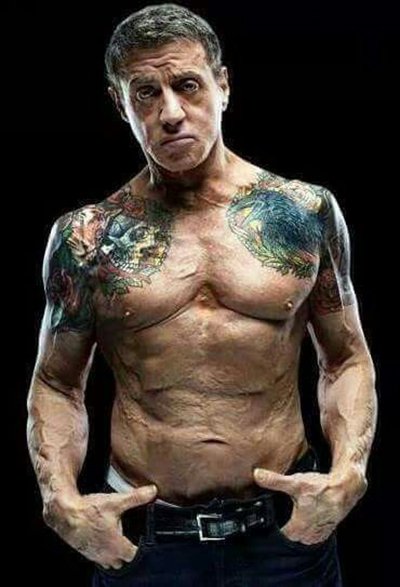
But then you look at someone like Sylvester Stallone…
And it makes you stop and think.
How is this guy, pushing 80 years old, still in that kind of shape?
Now, as regular ACG Fitness readers know, I’m still in my early years, and I love pushing my limits in the gym. I enjoy training hard, lifting heavy, and seeing how far I can go.
But realistically…
How long can I actually keep training like that?
That’s where Stallone comes in.
Because training after 50 is different. This isn’t just about staying in shape—it’s about learning how to adapt.
Stallone didn’t just keep doing the same workouts for decades. He changed how he trains, how he recovers, and how he takes care of his body as he’s gotten older.
And that’s something all of us need to start thinking about.
Because the truth is, the way you trained in your 20s and 30s isn’t always the way you should be training as you age. In fact, trying to train the same way is exactly what leads to burnout, injuries, and eventually falling off completely.
Stallone figured this out. He changed how he recovers, he learned to reduce inflammation naturally, and he have new meaning to how to stay fit after 50.
He evolved.
And in this article, we’re going to break down exactly how Sylvester Stallone changed his training after 50… and more importantly, what you can take from it to stay strong, lean, and consistent as you age.
Because at the end of the day, it’s not about doing more.
It’s about doing what actually works.
YOUTUBE VIDEO
Before we dive deeper into this, I also broke this entire concept down in a video on my YouTube channel.
If you prefer watching instead of reading—or you just want to see exactly how Stallone trains and stays in shape at his age—make sure to check it out.
I also share more fitness content there that doesn’t always make it onto the blog, so if you’re serious about improving your health and staying consistent, it’s definitely worth subscribing.
What Most People Get Wrong About Training After 50
Guys, I’m not trying to sound like a downer…
but there will come a point in all of our lives where it’s just not realistic to keep lifting heavier and heavier or constantly trying to build new muscle the same way we did when we were younger.
That’s just how the body works.
But that doesn’t mean you give up on the gym altogether.
Not even close.
It means you adapt and learn how to stay fit after 50.
It means you start training in a way that actually works with your body instead of against it.
And that’s where most people get it wrong.
They keep doing the same workouts they were doing in their 20s and 30s—lifting as heavy as possible, training for as long as possible, and pushing their body to the limit every single session. They do strength training like they will never get injured
And for a while, that works.
But eventually…
it catches up to you. Fitness after 50 changes.
Your joints start to hurt. Recovery takes longer. Small injuries turn into bigger ones. And before you know it, you’re either taking long breaks from the gym… or quitting altogether.
I’ve seen it happen way too many times.
And it’s not because people got lazy.
It’s because no one told them the truth.
More time in the gym doesn’t always mean better results.
Heavier weight doesn’t always mean more progress.
And pushing through pain isn’t always discipline—it’s sometimes just bad strategy.
That’s the mistake.
Trying to do more…
instead of doing what actually works as you get older.
How Sylvester Stallone Changed His Training After 50
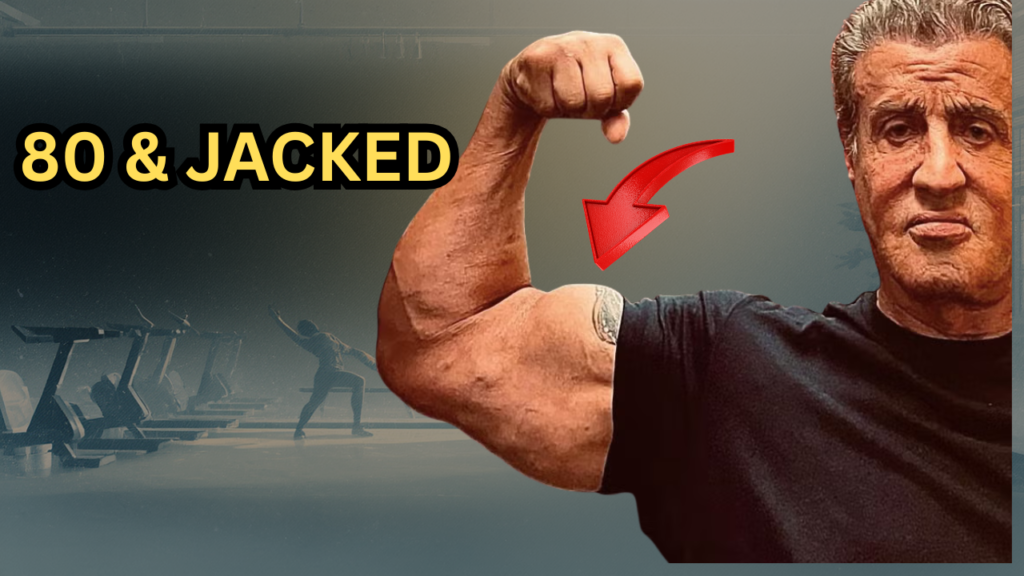
This is exactly where Sylvester Stallone separates himself from most people.
He didn’t just keep training the same way and hope for the best…
He made a change.
As he got older, he realized that training longer and lifting heavier wasn’t the answer anymore. It wasn’t sustainable, and more importantly, it wasn’t going to keep him in shape long term.
So instead of doing more…
he started doing less—but doing it better.
He shifted toward shorter, more focused workouts.
We’re talking about intense, circuit-style sessions where he moves quickly from one exercise to the next, keeping his heart rate up without putting unnecessary stress on his joints.
Sometimes these workouts are done in under 30 minutes and only 3 moves.
And that’s the part that surprises most people.
Because we’ve all been told that you need to spend hours in the gym to see results.
But Stallone proves that’s not true.
It’s not about how long you train…
it’s about how you train.
By keeping his workouts efficient and controlled, he’s able to recover faster, stay consistent, and avoid the kind of wear and tear that takes most people out of the gym as they get older.
And that’s really the key.
He didn’t stop training…
he just started training in a way that he could actually maintain for decades.
Function Over Ego: Why Lifting Smarter Beats Lifting Heavier
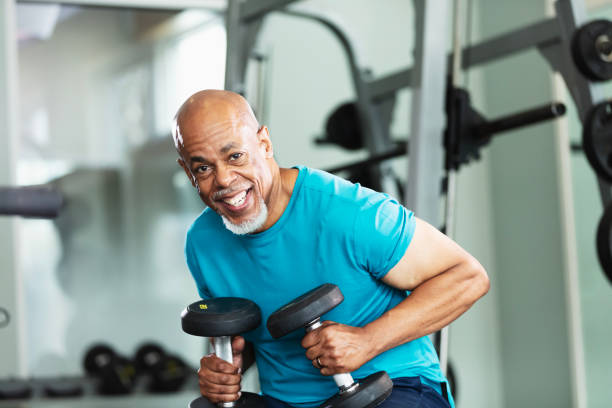
Another big shift Stallone made as he got older…
was letting go of ego lifting.
He’s not chasing max weight anymore.
He’s not trying to prove how much he can bench or squat.
Instead, he’s focused on control, movement, and staying injury-free.
That means lighter weights…
higher reps…
and actually feeling the muscles work instead of just moving weight from point A to point B.
And for a lot of people, that’s a tough adjustment to make.
Because lifting heavy feels good.
It feels like progress.
But as you get older, the risk starts to outweigh the reward.
One bad rep, one small tweak, one moment of pushing too far…
and now you’re dealing with an injury that can set you back for weeks or even months.
That’s not worth it.
Stallone understands that at this stage, it’s not about lifting the most…
it’s about moving the best.
That’s why he incorporates more functional movements into his training—things that improve balance, coordination, and overall mobility.
Because staying strong is important…
but staying mobile is what actually keeps you in the game long term.
And that’s the difference between someone who trains for a few years…
and someone who can train for life.
Consistency Over Intensity: The Real Key to Fitness After 50

One of the biggest reasons Stallone has been able to stay in shape for so long…
isn’t just how he trains—
it’s how consistent he is.
He doesn’t rely on random, all-out workouts.
He follows a structured routine.
Breaking up his training into different muscle groups…
giving his body time to recover…
and showing up week after week.
That’s what makes the difference.
Because when it comes to training after 50, consistency matters more than intensity.
Anyone can go hard for a week or two.
Push themselves to the limit…
feel sore all the time…
and think they’re making progress.
But if you can’t sustain it…
it doesn’t matter.
Stallone doesn’t train for short bursts of progress.
He trains in a way that he can maintain year after year.
Some days are harder than others.
Some workouts are shorter.
But the key is that he keeps going.
And that’s what most people overlook.
They focus so much on how intense their workouts are…
instead of asking whether they can actually stick with them long term.
Because the real goal isn’t just to get in shape…
it’s to stay in shape.
And that only happens when you build a routine that works with your life…
and your body…
not against it.
Recovery Becomes Everything As You Age

If there’s one thing that becomes more important than anything else as you get older…
it’s recovery.
When you’re younger, you can get away with a lot.
Long workouts, heavy lifting, pushing through soreness—you bounce back quickly and keep going.
But as you get older, your body doesn’t recover the same way.
And that’s where a lot of people run into trouble.
They keep training hard…
but they don’t give their body the time or tools it needs to recover.
That’s exactly why Stallone places such a big emphasis on recovery in his routine.
It’s not just about building muscle anymore…
it’s about protecting it.
That includes things like low-impact cardio—cycling, swimming—keeping the joints moving and the body active without adding extra stress.
But it also includes more intentional recovery methods.
One of those is cold exposure.
Cold plunges have become more popular in recent years, and for good reason.
They can help reduce inflammation naturally, keep your joints feeling fresh, and improve how your body recovers after workouts.
But it’s not just physical.
Cold exposure can also sharpen your focus, improve your mood, and build mental toughness.
And that matters more than people realize.
Because staying consistent with your fitness as you age isn’t just a physical challenge…
it’s a mental one too.
👉 If you’ve ever thought about trying cold plunges at home, you can check out an option here: [PLUNGE CHILL]
USE CODE:ACGFIT1O FOR 10% OFF
It’s just one more tool that can help you stay in the game longer.
I also wrote a full article about cold plunge benefits you should check out.
Mental Fitness: The Part Most People Ignore
At a certain point…
fitness stops being just physical.
It becomes mental.
Because staying in shape for a few months is one thing…
but staying in shape for decades?
That takes a completely different mindset.
And this is where Stallone really separates himself.
He’s not just disciplined when he feels motivated.
He’s consistent.
He shows up even on the days he doesn’t feel like it.
He adjusts when his body needs it…
but he never completely falls off.
That’s the difference.
Most people rely on motivation.
They feel good, they train hard…
then life gets busy, things get uncomfortable, and they slowly stop.
Stallone doesn’t operate like that.
He understands that fitness isn’t something you turn on and off.
It’s something you build into your life.
And that’s what mental fitness really is.
It’s not about being perfect.
It’s about staying consistent.
It’s about knowing when to push…
and when to pull back.
Because at the end of the day, the people who stay in shape as they age aren’t the ones who go the hardest…
they’re the ones who never stop.
Diet Evolution: From Rocky’s Raw Eggs to Smarter Nutrition
You probably remember the classic Rocky scenes…
Sylvester Stallone cracking raw eggs into a glass and drinking them before a workout.
At the time, it made sense.
It was simple, high-protein, and effective.
But just like his training…
his nutrition has evolved.
Today, Stallone focuses on cleaner, smarter sources of protein.
Instead of whole eggs, he’s been known to switch to egg whites—still getting high-quality protein to build and repair muscle, but cutting down on unnecessary cholesterol.
And that’s really the theme here.
He didn’t stop eating for performance…
he just got smarter about how he fuels his body.
Because as you get older, nutrition becomes even more important.
You need enough protein to maintain muscle…
but you also want foods that are easier on your body and support long-term health.
That’s why simple, easy-to-digest options can make a big difference.
For example, something like a soft, easy-to-chew protein bar can be a great way to hit your daily protein goals without having to rely on heavy meals all the time.
👉 If you’ve been on ACG Fitness before, you’ve probably seen me recommend Built Bars—and there’s a reason for that. They’re soft, easy to chew, and they also contain collagen, which can help support your skin, joints, and overall recovery as you age.
TRY THEM HERE:👉 https://tidd.ly/4aX0SyL
USE CODE: TRYPUFFS FOR 15% OFF
👉 If you want to explore more high-protein options, check out my full breakdown here: [Best Protein Sources for Building Muscle After 40]
It’s small adjustments like this…
that makes fitness after 50 easier and helps you to stay consistent and keep your body fueled the right way.
Frequently Asked Questions About Training After 50
Is it harder to build muscle after 50?
Yes, it can be harder to build new muscle as you age, mainly because of hormonal changes and slower recovery. But that doesn’t mean you can’t stay strong or maintain muscle.
With the right approach—training smarter, eating enough protein, and prioritizing recovery—you can still build strength and look great well into your 50s and beyond.
How should you train after 50?
Training after 50 should focus more on efficiency and longevity rather than just intensity.
That means shorter, more focused workouts, lighter weights with controlled movements, and enough recovery between sessions. The goal isn’t just to get in shape—it’s to stay in shape long term.
Are shorter workouts really effective?
Yes, shorter workouts can be just as effective—if not more effective—than long sessions.
As we talked about with Stallone, short, focused workouts help reduce strain on your joints, improve recovery, and make it easier to stay consistent. It’s not about how long you train, it’s about how well you train.
Why is recovery more important for fitness after 50?
Recovery becomes more important with age because your body takes longer to repair itself after workouts.
If you don’t give your body time to recover, you increase your risk of injury and burnout. That’s why things like proper rest, good nutrition, and recovery tools like cold exposure can make a big difference.
What is the best workout routine for someone training after 50?
The best workout routine for training after 50 is one that you can stick to consistently.
That usually includes a mix of strength training, low-impact cardio like walking, cycling, or swimming, and mobility work to keep your joints healthy. The key is to train in a way that supports your body—not breaks it down.
Final Thoughts: Train Smarter, Stay Strong Longer
At the end of the day…
Sylvester Stallone didn’t stay in shape for decades by doing more.
He stayed in shape by doing what works.
He adapted.
He changed how he trains, how he recovers, and how he fuels his body as he got older—and that’s what’s allowed him to keep going while so many others fall off.
And that’s the real lesson here.
Training after 50 isn’t about proving how strong you are.
It’s about staying strong.
It’s about protecting your body, building habits you can actually stick to, and making small adjustments that add up over time.
You don’t need to train for hours.
You don’t need to lift the heaviest weight in the gym.
You just need to train in a way that you can maintain for years.
So if you’re feeling stuck, or you’re starting to notice that your body doesn’t respond the same way it used to…
don’t ignore it.
Adapt.
Train smarter.
Stay consistent.
Because the goal isn’t just to get in shape for a few months…
it’s to stay in shape for life.
If you want to take that first step, start by making one small change this week—shorten your workouts, focus on control, or prioritize recovery.
And if you want more simple, realistic fitness advice like this, make sure to stay connected with ACG Fitness.
Because at the end of the day…
Action Creates Greatness.