
Most adults over 50 are making a mistake that is quietly accelerating muscle loss after 50 — and the scary part is, many don’t even realize it’s happening.
Muscle doesn’t just disappear overnight. It fades gradually, year after year, until one day simple things start to feel harder than they used to. Carrying groceries. Walking up stairs. Getting up off the floor. Tasks that once felt effortless suddenly demand more energy.
I see this difference firsthand almost every day.
At my local gym, there are men and women in their 50s, 60s, and even 70s who move with strength, confidence, and independence. They’ve made the decision to maintain muscle after 50, and it shows not just in how they look — but in how they live.
Honestly, whenever I see someone older lifting weights with great form or pushing through a workout, I catch myself thinking:
👉 “Man… that’s impressive. I hope I’m moving like that when I reach that age.”
Because the truth is, we all should want that.
Strength.
Mobility.
Independence.
Now compare that to some of the older customers I interact with at my day job who don’t exercise regularly. Many of them struggle with basic movement, low energy, and physical limitations that are often blamed on aging… but aren’t actually inevitable.
And that’s when it really hits me:
👉 Getting older is unavoidable.
👉 Rapid muscle loss after 50 is not.
Doctors call age-related muscle decline sarcopenia, and it begins earlier than most people think — sometimes as early as your 30s — accelerating significantly after 50.
But here’s the truth most people never hear:
Muscle loss is far more preventable than people realize.
In many cases, it comes down to one major mistake — one that quietly speeds up weakness, reduces metabolism, and makes everyday life harder than it needs to be.
Let’s talk about what that mistake is…
And more importantly, how to prevent it before it starts limiting the life you want to live.
🔥 The #1 Mistake Causing Muscle Loss After 50
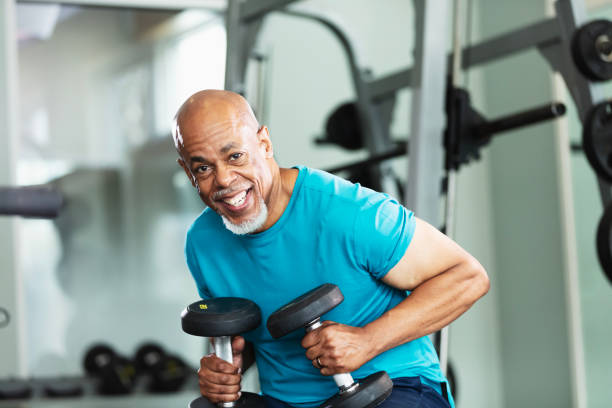
Somewhere along the way, a dangerous idea started spreading — the belief that lifting weights is only for the young.
That once you reach your 50s or 60s, you should slow down, avoid the weight room, and stick to light cardio or occasional walks.
Let me be direct with you:
👉 Avoiding strength training is the fastest way to accelerate muscle loss after 50.
And yet, I see it all the time.
Many adults reach a certain age and unconsciously begin training for comfort instead of capability. They trade resistance training for long walks, skip the dumbbells entirely, and convince themselves that “just staying active” is enough.
Don’t get me wrong — movement matters. Walking is fantastic for heart health, mobility, and longevity. But walking alone will not send the signal your body needs to preserve muscle.
Because here’s the reality most people never hear:
👉 After 50, your body is already looking for reasons to shed muscle.
If you don’t give it a reason to keep it — it won’t.
Muscle is metabolically expensive tissue. Your body does not hold onto it unless it’s regularly challenged.
This is exactly why strength training over 50 is not optional — it’s protective.
In fact, research consistently shows that adults who resistance train can maintain muscle after 50, slow the effects of sarcopenia, support bone density, and dramatically improve their quality of life.
Meanwhile, those who avoid it often experience:
- Faster muscle decline
- Reduced metabolism
- Higher fall risk
- Less independence with age
And here is the part that frustrates me a little…
Muscle loss is often accepted as “just part of getting older.”
It’s not.
Yes, aging is inevitable.
But becoming fragile is not.
Your muscles are incredibly responsive — even later in life. Studies show people well into their 60s, 70s, and beyond can still build muscle after 50 when they train properly.
Let that sink in:
👉 Weakness is not your destiny.
👉 Inactivity is.
If you want to slow — or even reverse — muscle loss after 50, you must give your body a reason to stay strong.
And that reason is resistance training.
Now, before you picture heavy barbells and intimidating gym floors, understand this:
You do NOT need to train like a bodybuilder.
You simply need to challenge your muscles consistently.
That could mean:
- Dumbbells
- Machines
- Resistance bands
- Bodyweight exercises
- Even controlled functional movements
The method matters far less than the stimulus.
Because when you strength train, something powerful happens, you tell your body:
👉 “This muscle is still needed. Don’t get rid of it.”
And your body listens.
If your goal is to stay strong as you age, check out my guide on Building Muscle After 40, where I break down exactly how to train smarter for long-term strength.
🔥 Other Hidden Factors That Speed Up Muscle Loss After 50

Avoiding strength training is the biggest driver of muscle loss after 50 — but it’s rarely the only one.
In many cases, muscle decline happens quietly through a combination of everyday habits that simply don’t support a strong, capable body anymore.
The good news?
Once you recognize these factors, they are incredibly fixable.
You are not locked into weakness.
You are one decision away from changing your trajectory.
Let’s walk through a few of the most overlooked ones.
👉 Not Eating Enough Protein
If strength training tells your body to keep muscle…
Protein is the building material that makes it possible.
Unfortunately, many adults unintentionally eat less protein as they age, not more.
Smaller appetites, outdated nutrition advice, and convenience habits often lead to meals that are heavier in carbs but lighter in quality protein.
Over time, this creates the perfect environment for muscle loss after 50.
Because here’s the reality:
👉 You cannot maintain muscle without giving your body the nutrients required to repair it.
Protein supports:
- muscle repair
- metabolism
- bone health
- recovery
- immune function
And yet — it is one of the most under-consumed nutrients among older adults.
If this is an area you struggle with, I strongly recommend reading my guide on protein drinks for older adults, where I break down simple options that make hitting your protein needs much easier — especially on busy days or when cooking feels like a chore.
Remember:
You don’t need perfection.
You need consistency.
👉 Poor Sleep (The Silent Muscle Killer)
Most people think muscle is built in the gym.
It’s not.
It’s rebuilt during sleep.
When you consistently sleep poorly, your body produces less growth hormone, struggles with muscle repair, and experiences higher levels of cortisol — a stress hormone that actively works against muscle preservation.
Over time, inadequate sleep doesn’t just make you tired…
It makes you weaker.
Protecting your sleep is one of the simplest ways to support muscle retention after 50, yet it’s often overlooked because it doesn’t feel as “active” as exercise.
If better sleep is something you need to focus on, take a look at my guide on improving sleep quality, where I share practical strategies that can dramatically improve recovery.
Never underestimate what a well-rested body can do.
👉 Doing Too Much Cardio — And Not Enough Resistance
Cardio is fantastic for heart health.
Let me be clear about that.
But when cardio becomes your primary, or only form of exercise, it can unintentionally accelerate muscle loss if strength training isn’t part of the equation.
This is especially common among adults over 50 who believe lifting weights is risky, but long treadmill sessions are safer.
In reality, the strongest longevity plans include both.
Think of it this way:
👉 Cardio helps you live longer.
👉 Muscle helps you live better.
The goal is balance — not choosing one over the other.
👉 Becoming Less Active Overall
One of the biggest contributors to muscle loss isn’t dramatic…
It’s subtle.
You move less without realizing it.
Maybe you stop taking the stairs.
Maybe you sit more.
Maybe you avoid physically demanding tasks.
Individually, these choices seem small.
But collectively, they send your body a dangerous message:
“This muscle is no longer required.”
And the body adapts accordingly.
Staying active doesn’t mean exhausting yourself.
It simply means continuing to show your body that strength is still part of your life.
Walk often.
Carry things.
Stay mobile.
Challenge yourself when appropriate.
Your future self will thank you.
🔥 A Gentle Reminder
If reading this feels a little confronting, don’t let it discourage you.
Let it empower you.
Because muscle loss after 50 is not a life sentence.
The human body is remarkably adaptable — even later in life.
With the right training, nutrition, recovery, and daily habits…
Strength can be preserved.
Independence can be protected.
And aging can look very different than most people expect.
🔥 How to Prevent Muscle Loss After 50 (And Stay Strong for Decades)
The conversation around muscle loss after 50 often sounds discouraging — but it shouldn’t.
Because while aging is inevitable, rapid physical decline is not.
The human body is incredibly adaptable. Even later in life, it responds quickly when given the right signals.
If your goal is to maintain muscle after 50, protect your independence, and continue living an active life, focus on these foundational pillars.
Small, consistent actions in these areas can dramatically change how your body ages.
👉 Prioritize Strength Training
If there is one habit that acts as a shield against muscle loss, it is resistance training.
Strength training tells your body something powerful:
👉 “This muscle is still needed — don’t get rid of it.”
Without that signal, the body naturally sheds muscle to conserve energy.
The good news? You do not need extreme workouts to see results.
Two to four strength sessions per week is enough to stimulate muscle, support bone density, and improve balance — three factors that become increasingly important with age.
Focus on controlled, intentional movements such as:
- Squats
- Rows
- Pressing exercises
- Deadlift variations
- Functional movements
You are not training to impress anyone.
You are training to protect your future.
And if you’re unsure where to begin, my guide on Building Muscle After 40 breaks this down in a simple, approachable way.
Remember — it is never too late to build strength.
👉 Eat Enough Protein — Consistently
Exercise may stimulate the muscle…
But protein rebuilds it.
As we age, our bodies become slightly less efficient at using protein, which means your intake becomes even more important after 50.
Yet many adults unintentionally under-consume it.
Not because they don’t care — but because habits change, appetites shrink, and outdated nutrition myths linger.
Aim to include a quality protein source at every meal whenever possible.
Think:
- eggs
- fish
- lean meats
- Greek yogurt
- legumes
- protein shakes
Consistency matters far more than perfection.
Try MyProtein for 40% off with Code MYPAFF
Find more excellent and affordable protein sources in my previous article about buying protein on a budget
Food is not just fuel — it is structural support for your body.
👉 Protect Your Sleep Like It’s Training
Many people treat sleep as optional.
After 50, it is anything but.
Sleep is when your body performs some of its most important repair work — including muscle recovery and hormone regulation.
Chronic sleep deprivation can:
- impair muscle repair
- elevate stress hormones
- reduce energy
- slow recovery
In short, poor sleep quietly works against everything you are trying to build.
Prioritize a consistent sleep schedule, limit late-night screen exposure, and create an environment that encourages deep rest.
If this is an area you want to improve, my article on sleep optimization offers practical strategies that can help immediately.
Never underestimate what a rested body is capable of.
👉 Stay More Active Than Comfortable
One of the simplest ways to slow muscle loss is also one of the most overlooked:
👉 Move often.
Not every activity needs to feel like a workout.
But your body should regularly experience motion, load, and effort.
Take the stairs.
Carry groceries.
Walk daily.
Challenge your mobility.
These small decisions accumulate into something powerful — resilience.
Remember:
👉 Motion tells your body to remain capable.
Inactivity tells it to downsize.
Choose motion whenever you can.
👉 Support Recovery — Don’t Ignore It
Training breaks the muscle down.
Recovery builds it back stronger.
This becomes increasingly important as we age because the body may require slightly more time and care to repair itself.
Prioritize:
- hydration
- mobility work
- stretching
- balanced training
- rest days
Recovery is not laziness.
It is strategy.
In fact, some of the strongest individuals you see in their 60s and beyond are not just training hard — they are recovering intelligently.
🔥 The Bigger Picture
Preventing muscle loss after 50 is not about chasing perfection.
It is about stacking supportive habits.
Strength training.
Protein intake.
Quality sleep.
Daily movement.
Smart recovery.
Individually, each one helps.
Together?
They create a body that remains strong, capable, and independent for decades.
And perhaps most importantly…
They give you control over how you age.
Because while genetics play a role…
Your daily decisions play a far bigger one.
This all helps keep your mitochondria strong and healthy as you age.
Frequently Asked Questions About Muscle Loss After 50
How can you regain muscle loss after 50?
Regaining muscle after 50 is absolutely possible — and often happens faster than people expect once the right habits are in place.
Start by prioritizing strength training at least two to three times per week. Resistance exercises signal your body to rebuild muscle tissue rather than continue breaking it down.
Next, increase your protein intake to support muscle repair. Without adequate protein, the body simply does not have the building blocks it needs to grow stronger.
Just as important are sleep and recovery, which allow muscles to heal and adapt after training.
The key is consistency — not perfection. When you train regularly, eat enough protein, and stay active, your body remains highly capable of rebuilding strength well into later decades.
What are the symptoms of muscle wasting?
Muscle wasting — often linked to age-related sarcopenia — usually develops gradually, which is why many people don’t notice it right away.
Common signs include:
Feeling weaker during everyday activities
Difficulty carrying groceries or climbing stairs
Reduced balance or stability
Fatigue from tasks that once felt easy
Noticeable loss of muscle tone
Slower recovery after physical activity
While these changes are often blamed on aging, they are frequently the result of muscle loss rather than age itself.
The earlier you recognize these symptoms, the easier it is to reverse course.
Can you regain muscle loss after 50?
Yes — and this is one of the most encouraging facts about the human body.
Muscle remains responsive to resistance training regardless of age. Studies have shown that adults in their 50s, 60s, and even 70s can significantly increase strength and muscle mass when they begin training consistently.
It is never “too late.”
What matters most is giving your muscles a reason to stay.
When you challenge them through strength training and support them with proper nutrition, your body adapts — just as it always has.
Aging does not eliminate your ability to grow stronger.
Inactivity does.
Why do seniors lose muscle mass?
Muscle loss in older adults is primarily driven by a natural process called sarcopenia, which refers to the gradual decline of muscle tissue with age.
However, biology is only part of the story.
Lifestyle factors accelerate this process, including:
reduced physical activity
avoiding strength training
inadequate protein intake
poor sleep
slower recovery
After 50, the body becomes more selective about what it keeps. If muscles are not regularly used, the body views them as unnecessary and begins to shed them.
The encouraging reality is that this process can be dramatically slowed — and sometimes reversed — through consistent exercise and supportive daily habits.
Weakness is not an inevitable part of aging.
Lack of stimulus is.
Aging Is Inevitable — Weakness Is Optional!
There’s a quiet myth floating around that muscle loss after 50 is simply part of getting older.
It’s not.
Yes, your body changes. Yes, recovery may take a little longer. Yes, you might have to train smarter than you did in your 20s.
But losing strength rapidly?
Becoming fragile?
Accepting decline as your default?
That’s not aging.
That’s neglect.
The difference I see every day between the older adults lifting confidently at the gym and the ones struggling with basic movement, isn’t luck.
It’s habits.
It’s the decision to challenge their muscles instead of protecting them from effort.
It’s prioritizing protein, protecting sleep, staying active, and treating strength like an investment instead of an afterthought.
And here’s the part I really want you to remember:
Your body will adapt to whatever standard you set.
If you demand comfort, it will shrink.
If you demand strength, it will respond.
Muscle loss after 50 is common — but it is not a life sentence.
You can maintain muscle after 50.
You can rebuild strength after 50.
You can age without surrendering your independence.
And that choice doesn’t start in your 60s.
It starts today.
Because aging is inevitable.
But weakness?
That’s optional.
Because Action Creates Greatness.