Intro
In my last article, I broke down the 5 best ways to recover after a workout and talked about why recovery isn’t optional if you want to feel better, get stronger, and keep showing up consistently. One of the methods I mentioned in that post was active recovery and judging by the feedback and questions I’ve seen over the years, it’s also one of the most misunderstood.
A lot of people hear “recovery” and immediately think it means doing nothing at all. Sitting on the couch. Skipping movement completely. Just waiting for soreness to fade. The problem is, that approach doesn’t always help your body recover faster — and in some cases, it can actually leave you feeling more stiff, sluggish, and beat up.
That’s where active recovery comes in.
If you’ve ever trained hard, eaten “pretty well,” and still felt sore for days or flat going into your next workout, chances are you’re missing this piece. Learning how to do active recovery the right way can help you recover faster, reduce soreness, and feel better on your rest days — without adding more stress to your body.
So before we break down the simple ways to use active recovery after workouts and on rest days, let’s clear up the basics.
What Is Active Recovery?
Active recovery is exactly what it sounds like, recovering your body through light movement instead of complete rest.
Instead of doing nothing on your rest days, active recovery uses low-intensity activity to increase blood flow, reduce stiffness, and help your muscles recover faster. The key is that the movement is easy, controlled, and non-fatiguing. You should finish an active recovery session feeling better than when you started, not tired, sore, or drained.
If you’ve ever wondered what is active recovery and how it’s different from just taking a day off, the biggest difference is intent. Passive rest is about stopping completely. Active recovery is about giving your body just enough movement to support healing without adding stress.
This can include things like walking, easy cardio, mobility work, stretching, or gentle yoga. You’re not chasing a pump, burning calories aggressively, or pushing intensity. You’re simply helping your body do what it already wants to do. Recover.
Active recovery after a workout is especially useful when you feel stiff, sore, or sluggish the day after training. Light movement helps deliver oxygen and nutrients to your muscles, which can speed up muscle soreness recovery and help you feel ready for your next session sooner.
Just as important, active recovery on rest days helps break the mindset that rest means being completely inactive. For many people, doing nothing at all actually makes them feel tighter and more uncomfortable. A little movement goes a long way.
Now that you understand what active recovery is, let’s break down how to do active recovery the right way, starting with the simplest and most underrated option.
1. Walking and Easy Cardio (The Most Underrated Form of Active Recovery)

When people think about recovery, walking is usually the last thing that comes to mind, which is ironic, because it’s one of the best and simplest forms of active recovery you can do.
Walking increases blood flow to your muscles without adding stress to your joints or nervous system. That extra circulation helps deliver oxygen and nutrients to tired muscles, which can reduce stiffness and soreness after a workout. It also helps your body clear out metabolic waste that builds up during hard training sessions.
This is why walking works so well as active recovery after a workout or on rest days. You’re moving just enough to support recovery, but not so much that you’re digging yourself into a deeper fatigue hole.
Another benefit of walking as active recovery is that it’s easy to regulate. You don’t need a heart rate monitor, a plan, or a set distance. If you can walk at a pace where you could comfortably hold a conversation, you’re doing it right. The goal isn’t to burn calories or hit a step count, it’s simply to help your body feel better.
I’ve talked about this more in depth in my article on walking for weight loss, but the same principles apply here. Walking doesn’t just help with fat loss, it’s also an incredibly effective way to recover between workouts, especially if you’re lifting weights several days a week.
If you ever feel sore, tight, or sluggish on a rest day, a short walk might do more for your recovery than sitting still all day. Most people are surprised by how much better they feel afterward.
2. Zone 2 Cardio (Purposeful Low-Intensity Active Recovery)
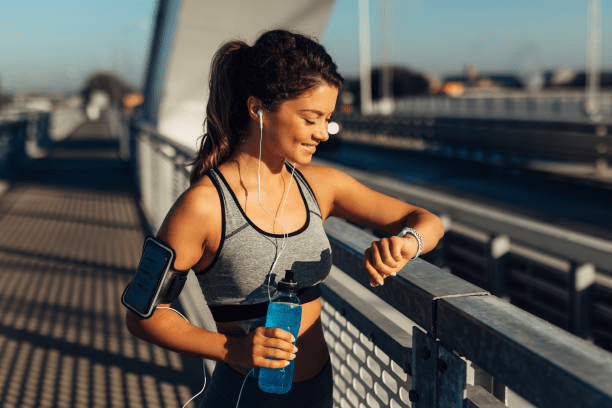
At first glance, Zone 2 cardio might sound similar to walking — but there’s an important difference. Walking is often unstructured and instinctive. Zone 2 cardio is intentional.
Zone 2 cardio refers to low-intensity cardio performed at a pace where your heart rate is elevated, but you can still comfortably hold a conversation. You’re breathing a little heavier than normal, but you’re never gasping for air or pushing into fatigue. This puts your body in an aerobic state that supports recovery rather than draining it.
The reason Zone 2 works so well as active recovery after a workout is that it improves circulation and aerobic efficiency without creating additional muscle damage. That steady blood flow helps reduce lingering soreness, supports muscle recovery, and can actually make your next workout feel easier instead of harder.
This is also what separates Zone 2 cardio from random cardio sessions. When people say “I’ll just do some cardio,” they often end up going too hard. Zone 2 forces you to stay controlled. The goal isn’t intensity, it’s consistency and recovery.
I’ve broken this down more thoroughly in my article on Zone 2 cardio, including how to find your Zone 2 pace and why it’s so effective for both fat loss and long-term fitness. In the context of recovery, think of it as a structured way to stay active without overstressing your system.
You can use a variety of movements for Zone 2 active recovery like cycling, incline walking, rowing, or even jump rope when kept at a relaxed, rhythmic pace. I’ve talked about this in my jump rope article as well. While jump rope is often seen as intense, slowing it down and focusing on rhythm can make it a surprisingly effective recovery tool when used correctly it works very well.
The key is effort. If Zone 2 cardio leaves you feeling energized instead of exhausted, you’re doing it right.
3. Mobility, Stretching, and Light Movement (Reduce Stiffness Without Fatigue)
One of the biggest mistakes people make with recovery is thinking that more effort automatically leads to better results. When it comes to mobility and stretching, less is usually more.
Mobility work and light stretching are powerful forms of active recovery because they help reduce stiffness, improve joint range of motion, and restore how your body moves. all without creating additional muscle damage. This is especially helpful if you lift weights regularly or spend a lot of time sitting during the day.
The goal here isn’t to push through pain or force extreme stretches. Active recovery through mobility should feel smooth and controlled. You should be able to move through positions comfortably, focusing on areas that feel tight or restricted rather than trying to “stretch everything.”
This kind of light movement helps signal to your nervous system that it’s safe to relax. When your body feels less guarded, muscles can release tension more easily, which often leads to less soreness and better movement in your next workout.
Mobility and stretching work particularly well as active recovery on rest days or after intense training sessions. Even 10–15 minutes of gentle movement can make a noticeable difference in how your body feels later that day and the following morning.
If you finish your mobility work feeling looser, more relaxed, and more mobile — you did it right. If you feel tired or sore afterward, it probably crossed the line from recovery into another workout.
4. Yoga as Active Recovery (More Than Just Stretching)
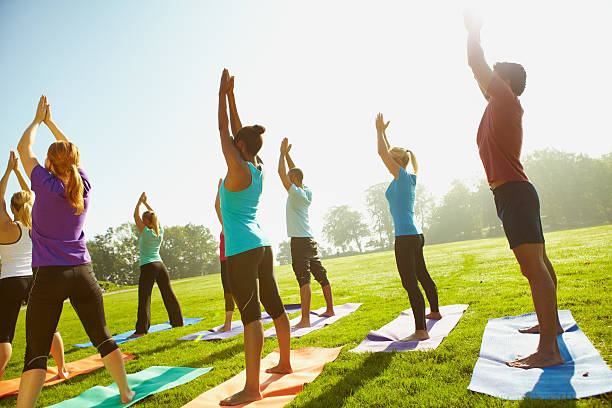
When people hear yoga mentioned in a fitness context, they often assume it’s just another form of stretching. But when used intentionally, yoga for recovery is very different from simply holding a few static stretches at the end of a workout.
As a form of active recovery, yoga combines light, controlled movement with breathing and body awareness. Unlike basic stretching, which is usually passive and isolated, yoga flows through multiple positions while gently engaging muscles and joints. This makes it especially effective for active recovery on rest days, when the goal is to feel better without adding fatigue.
Another key difference is how yoga supports the nervous system. Many yoga-based recovery sessions emphasize slow breathing and controlled transitions, which can help calm the body and reduce stress. Since stress plays a major role in muscle soreness and delayed recovery, this mind–body connection is one reason yoga as active recovery can feel so restorative compared to stretching alone.
Yoga can be particularly useful if you lift weights, spend a lot of time sitting, or feel tight through your hips, back, and shoulders. Even short sessions can improve mobility, posture, and overall movement quality, making it easier to recover faster after workouts.
That said, not all yoga is created equal. For recovery purposes, the focus should be on gentle, low-intensity movement — not power yoga, long holds that push flexibility limits, or sessions that leave you sweating and exhausted. If you finish a yoga session feeling calmer, looser, and more refreshed, it’s doing its job as active recovery.
Yoga deserves a deeper conversation of its own, especially when it comes to using it for muscle recovery, stress reduction, and long-term joint health. I’ll be breaking that down in a dedicated article soon, but for now, think of yoga as another valuable tool you can use to support recovery — not something you need to master to benefit from.
5. Massage and Hands-On Recovery (The Most Tangible Form of Active Recovery)
If “nervous system recovery” sounds abstract, massage is the most straightforward way to understand what real recovery feels like.
Massage works because it helps your body relax, release tension, and reset after hard training and long days. When muscles stay tight and stressed for too long, soreness lingers and movement feels stiff. Massage helps interrupt that cycle by encouraging muscles to loosen up and blood flow to improve.
This doesn’t mean you need weekly professional massages to recover properly. While those can be helpful if they fit your budget, simple tools like massage guns, foam rollers, or even manual self-massage can provide similar benefits when used consistently.
The key is intent. Massage as active recovery shouldn’t be painful or aggressive. You’re not trying to “beat soreness out of your body.” The goal is to relax tight areas, improve circulation, and help your body feel calmer afterward.
Many people notice that after massage-based recovery, they sleep better, feel less stiff the next day, and move more freely in their next workout. That’s a sign recovery is actually happening.
Massage fits best when combined with the other recovery methods in this article — movement, hydration, nutrition, and rest. On its own, it’s helpful. As part of a routine, it becomes powerful.
If you finish your recovery session feeling lighter, looser, and more relaxed, you’re doing it right.
Disclosure: Some links in this article are affiliate links. If you click and make a purchase, ACG Fitness may earn a small commission at no extra cost to you. This helps support the site and allows me to keep creating free fitness content. I appreciate it.
Frequently Asked Questions About Active Recovery
What is active recovery?
Active recovery is light, low-intensity movement done on rest days or after hard workouts to help your body recover faster. Instead of doing nothing, you keep your body moving in a way that reduces stiffness, improves circulation, and helps muscles feel better without adding fatigue.
What are the best forms of active recovery?
Some of the best active recovery options include walking, Zone 2 cardio, gentle yoga, mobility work, stretching, and light massage using tools like foam rollers or massage guns. These activities help recovery without stressing your muscles or nervous system.
How long should an active recovery session be?
Most active recovery sessions only need to be 10–30 minutes. You’re not trying to burn calories or push intensity. If you finish feeling looser, calmer, and more refreshed, you’ve done enough.
Can active recovery help reduce muscle soreness?
Yes. Active recovery increases blood flow to sore muscles, which can help reduce stiffness and speed up recovery. Many people notice they feel better the same day or the next morning after light movement instead of complete rest.
Should I do active recovery every rest day?
You can, but you don’t have to. Active recovery works best when it supports your training, not replaces rest entirely. Some rest days may include light movement, while others may be full rest depending on how your body feels.
Conclusion: Active Recovery Is Training Smarter, Not Doing Less
If there’s one thing to take away from this article, it’s that active recovery isn’t about being lazy or skipping work, it’s about helping your body recover so you can keep progressing.
Understanding what active recovery is makes a huge difference in how you approach rest days. Instead of feeling guilty for not training hard, you start to see recovery as part of the process. Walking, Zone 2 cardio, mobility work, yoga, and even simple tools like foam rollers and massage guns all serve one purpose: helping your body feel better so you can train better. These are som of the best tools for rest and recovery
The biggest mistake people make is thinking more effort always equals better results. In reality, progress comes from the balance between training stress and recovery. When recovery is missing, soreness lingers, motivation drops, and workouts start to feel harder than they should.
Active recovery works because it keeps you moving without beating you down. It improves circulation, reduces stiffness, and helps your body reset physically and mentally. Over time, those small recovery habits add up to better workouts, fewer aches, and more consistency.
You don’t need to do everything on this list. Start with one or two simple recovery habits and build from there. The goal isn’t perfection, it’s sustainability.
Train hard when it’s time to train. Recover with intention when it’s time to recover.
That’s how real progress happens.
Action Creates Greatness.