
Intro
Mornings are usually a rush for most people.
Maybe you’re trying to get the kids ready for school.
Maybe you’re rushing out the door for work.
Or maybe you’re trying to squeeze in an early workout before the day starts.
Whatever your routine looks like, breakfast usually ends up being whatever is quick and convenient.
And that’s where the problem begins.
A lot of the “easy” breakfast foods people grab — cereal, pastries, pop tarts, flavored yogurt, breakfast bars — are absolutely loaded with sugar.
Even some of the newer products that try to market themselves as healthy aren’t much better.
You’ll see things like protein pop tarts or protein breakfast bars, but if you actually look at the nutrition label, many of them still contain huge amounts of sugar that your body simply doesn’t need first thing in the morning.
And when you start your day with that much sugar, it creates something called a breakfast blood sugar spike.
Your blood sugar shoots up quickly, your body releases a large amount of insulin, and a few hours later your energy crashes.
That crash is the reason so many people feel tired, hungry, and unfocused by mid-morning, even though they just ate breakfast.
Over time, these repeated spikes can slowly damage your metabolism and contribute to weight gain, fatigue, and long-term health problems.
In this article, we’re going to break down:
- what a breakfast blood sugar spike actually is
- why it causes your energy to crash
- and how a simple change in your morning routine can protect your metabolism and help you feel more energized throughout the day.
Why Most Breakfast Foods Are Basically Dessert

If you look at what most people eat for breakfast today, it’s not really a meal.
It’s dessert.
Walk down the breakfast aisle of almost any grocery store and you’ll see foods like:
- sugary cereals
- pastries
- waffles
- pancakes
- pop tarts
- breakfast bars
- flavored yogurt
- sweet coffee drinks
Most of these foods are packed with refined carbohydrates and added sugar, which means they digest extremely quickly.
That’s exactly what causes a blood sugar spike.
Your body absorbs the sugar rapidly, your blood glucose shoots up, and your body releases a large amount of insulin to bring those levels back down.
For a brief moment, you might feel energized.
But that energy doesn’t last long.
Once insulin pushes the sugar out of your bloodstream, your blood sugar drops quickly — which is why so many people feel tired, hungry, and unfocused just a few hours after breakfast.
And the worst part?
Many of these foods are marketed as healthy.
You’ll see things like protein cereals, protein pop tarts, and breakfast bars that claim to support energy and fitness.
But when you flip the package over and actually look at the nutrition label, many of them still contain large amounts of sugar that your body simply doesn’t need first thing in the morning.
It’s basically the same sugary breakfast — just with a little protein sprinkled on top.
Your metabolism still sees it as a high-sugar meal, and the same blood sugar spike happens anyway.
And when that pattern repeats day after day, it doesn’t just affect your energy.
Over time, it can start to affect your metabolism, your weight, and even how your body ages.
What Happens Inside Your Body During a Blood Sugar Spike
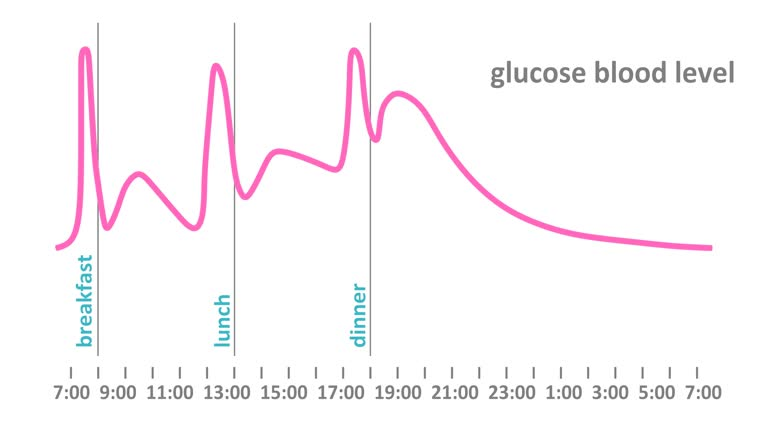
When you start your morning with a high-sugar breakfast, your body goes through a very predictable chain reaction.
It all starts with a blood sugar spike.
Foods like sugary cereal, pastries, pop tarts, sweet coffee drinks, and breakfast bars break down very quickly once you eat them. Because they are mostly refined carbohydrates and added sugar, they enter your bloodstream fast.
This causes your blood glucose levels to rise rapidly — creating a blood sugar spike first thing in the morning.
At first, this might actually feel good.
Your brain and muscles suddenly have a surge of fuel, which can make you feel more alert for a short period of time.
But your body doesn’t like large spikes in blood sugar.
To bring those levels back down, your pancreas releases a hormone called insulin.
Insulin’s job is to move sugar out of the bloodstream and into your cells where it can be used or stored for energy.
The problem is that after a large breakfast blood sugar spike, your body often releases more insulin than needed.
When that happens, blood sugar drops quickly.
This is what people experience as a sugar crash after breakfast.
And if this sounds familiar, you’ve probably felt it before:
• sudden fatigue
• brain fog
• hunger returning quickly
• cravings for more sugar or caffeine
This cycle is the reason many people find themselves reaching for another snack, a second coffee, or something sweet by mid-morning.
Over time, repeated blood sugar spikes can also begin to affect breakfast and energy levels throughout the entire day.
Instead of starting your morning with stable energy, you begin the day on a roller coaster of spikes and crashes.
And when this pattern happens every morning for years, it can slowly contribute to metabolic problems, weight gain, and reduced insulin sensitivity.
That’s why fixing your breakfast can have such a powerful effect on your energy and long-term health.
Why Blood Sugar Spikes Get Worse After 40 and 50
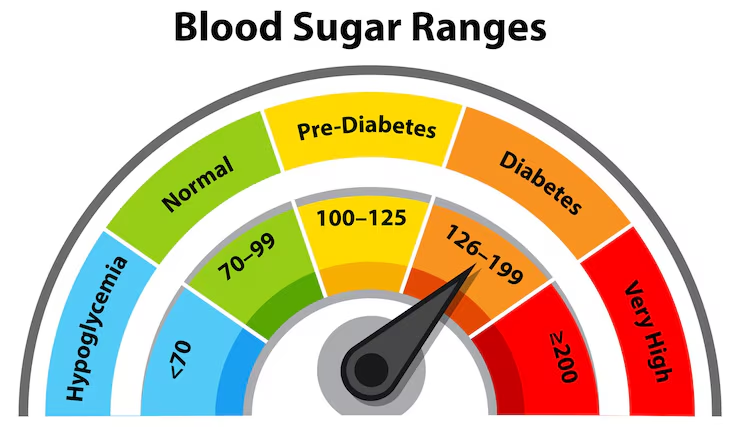
When you’re younger, your body is usually better at handling occasional sugar spikes.
Your metabolism runs faster.
Your muscles absorb glucose more efficiently.
And your insulin response tends to be stronger and more balanced.
But as we get older, things start to change.
One of the biggest changes is reduced insulin sensitivity.
This means your body becomes slightly less efficient at moving sugar out of your bloodstream and into your cells. As a result, a large blood sugar spike from a sugary breakfast can last longer and cause a bigger energy crash later.
That’s one of the reasons many people notice their energy levels feel more unstable as they age.
The same breakfast that didn’t bother you in your 20s or 30s can suddenly leave you feeling exhausted by mid-morning.
But insulin sensitivity isn’t the only factor.
Another important piece of the puzzle is mitochondrial health.
Your mitochondria are responsible for producing the energy your cells use throughout the day. As mitochondrial efficiency declines with age, your body becomes less effective at turning glucose into usable energy.
So when a large morning blood sugar spike happens, your body has a harder time processing it efficiently.
Instead of steady energy, you end up with:
• a rapid spike in blood sugar
• a large insulin response
• and a sugar crash after breakfast
Over time, repeated spikes like this can slowly contribute to metabolic dysfunction, weight gain, and reduced energy production at the cellular level.
This is why the foods you eat in the morning matter more than most people realize.
If you start your day with foods that constantly spike blood sugar, you’re essentially putting your metabolism on a roller coaster before the day even begins.
And when that happens day after day, it becomes harder for your body to maintain stable breakfast and energy levels throughout the morning.
The good news is that fixing this problem is actually much simpler than most people think.
It doesn’t require extreme dieting or complicated nutrition plans.
In many cases, it just means changing the way you build your breakfast.
How to Build a Breakfast That Won’t Spike Your Blood Sugar
The solution to a morning blood sugar spike isn’t skipping breakfast.
And it doesn’t mean you need some complicated nutrition plan either.
Most of the time, it simply comes down to building a breakfast that contains the right balance of nutrients.
Instead of starting your day with foods that are mostly sugar and refined carbs, you want meals that contain:
• protein
• fiber
• healthy fats
These nutrients slow digestion and help prevent a large blood sugar spike after breakfast, which keeps your energy levels stable for hours instead of crashing mid-morning.
For example, some simple blood-sugar-friendly breakfasts include:
- eggs with whole grain toast and avocado
- Greek yogurt with berries and nuts
- oatmeal with protein powder and fruit
- cottage cheese with fruit and seeds
Meals like these digest more slowly and help maintain stable breakfast and energy levels, instead of the roller coaster caused by sugary cereals and pastries.
If you want even more ideas, you can check out some of the breakfast guides we’ve already covered on ACG Fitness, including our article on affordable high-protein breakfast ideas that help support fat loss and stable energy.
A Simple Breakfast Smoothie for Stable Energy
One of the easiest ways to avoid a blood sugar spike in the morning is with a simple protein smoothie.
Smoothies are perfect for busy mornings when you don’t have time to cook but still want a balanced breakfast that supports metabolism and stable energy.
Here’s a simple example:
High-Protein Morning Smoothie
Ingredients:
• 1 scoop protein powder
• 1 cup milk (or almond milk)
• ½ cup frozen berries
• 1 tablespoon peanut butter
• a handful of spinach (optional)
• ice
Blend everything together and you have a breakfast that provides protein, fiber, and healthy fats, which help slow digestion and prevent a sugar crash after breakfast.
If you’re looking for a quality protein powder, I personally recommend checking out MyProtein, which I’ve used for years. USE CODE MYPAFF for a discount
MYPROTEIN: https://tidd.ly/4plb62z
They offer a wide range of protein powders and supplements, and ACG Fitness readers can often find large discounts on their website, making it one of the most affordable ways to add protein to your diet.
Protein smoothies like this are especially useful if you’re rushing out the door to work or heading to the gym early in the morning.
One Simple Habit That Helps Prevent Blood Sugar Spikes
Another simple trick that can make a big difference is moving your body after breakfast.
You don’t need to do an intense workout.
Even light movement helps your body use glucose more efficiently.
That could mean:
• going for a short walk
• doing a few minutes of stretching
• cleaning up after your meal
• taking the stairs instead of the elevator
Light movement encourages your muscles to absorb glucose from the bloodstream, which can help reduce a blood sugar spike after breakfast.
This is one of the reasons walking is so effective for improving metabolism and energy levels, something we’ve talked about in our article on walking for weight loss and metabolic health.
If you want to take things a step further, low-intensity exercise like Zone 2 cardio is also one of the best ways to improve how your body processes glucose and produces energy.
The Worst Breakfast Foods for Blood Sugar Spikes
If you want to avoid a morning blood sugar spike, the first step is simply recognizing the foods that cause it.
Many of the most common breakfast foods are packed with refined carbohydrates and added sugars, which digest quickly and send glucose rushing into your bloodstream.
Here are some of the biggest offenders.
Sugary Breakfast Cereals
Most breakfast cereals are marketed as quick and convenient, but many contain large amounts of added sugar.
Even cereals that claim to be “whole grain” or “high in fiber” can still contain 10–20 grams of sugar per serving.
When eaten on their own, cereal is one of the fastest ways to trigger a blood sugar spike after breakfast.
Pop Tarts and Pastries
Pop tarts, toaster pastries, and similar breakfast foods are essentially desserts disguised as breakfast.
They combine:
- refined flour
- added sugars
- very little protein or fiber
This combination causes sugar to enter the bloodstream extremely quickly, leading to the classic sugar crash after breakfast just a few hours later.
Even newer versions that advertise “added protein” often still contain large amounts of sugar.
Don’t fall for the marketing.
Your metabolism still sees it as a high-sugar meal.
Pancakes, Waffles, and Syrup
Pancakes and waffles are another breakfast classic that can easily trigger a large blood sugar spike.
Refined flour combined with sugary syrup creates a meal that digests very quickly.
This can lead to:
- a rapid increase in blood sugar
- a strong insulin response
- and unstable breakfast and energy levels throughout the morning.
Flavored Yogurt
Yogurt itself can be a healthy food, but many flavored versions contain more sugar than people realize.
Some single-serving yogurts contain 15–25 grams of added sugar, which can easily contribute to a blood sugar spike first thing in the morning.
Plain Greek yogurt with fruit is usually a much better option.
Sweet Coffee Drinks
Many people forget that their morning coffee can also be a major source of sugar.
Flavored lattes, syrups, and sweet creamers can turn a simple cup of coffee into a drink containing 20–40 grams of sugar.
When combined with a sugary breakfast, this can dramatically increase the size of the morning blood sugar spike.
The Bottom Line
None of these foods are necessarily harmful if eaten occasionally.
But when they become a daily breakfast habit, they can repeatedly spike blood sugar and disrupt your metabolism over time.
That’s why building a protein-rich, balanced breakfast is one of the simplest ways to stabilize your energy and avoid the roller coaster of sugar spikes and crashes.
FAQ: Blood Sugar Spikes and Breakfast
What causes a blood sugar spike in the morning?
A blood sugar spike happens when you eat foods that digest very quickly and release glucose into the bloodstream rapidly. Common causes include sugary cereals, pastries, pop tarts, sweet coffee drinks, and other breakfasts high in refined carbohydrates and added sugars.
Because these foods digest quickly, they raise blood glucose levels rapidly and trigger a strong insulin response.
Why do I feel tired after eating breakfast?
Feeling tired after breakfast is often the result of a sugar crash after breakfast.
When you eat a high-sugar meal, your blood sugar rises quickly. Your body then releases insulin to bring those levels back down. If the insulin response is strong, blood sugar can drop quickly, which leads to fatigue, hunger, and brain fog.
This is why many people feel tired again by mid-morning even though they just ate
What breakfast foods do not spike blood sugar?
Breakfast foods that contain protein, fiber, and healthy fats tend to slow digestion and prevent large blood sugar spikes.
Some good options include:
eggs with avocado and whole grain toast
Greek yogurt with berries and nuts
cottage cheese with fruit
oatmeal with protein powder
a protein smoothie with berries and nut butter
These types of meals help maintain stable breakfast and energy levels throughout the morning.
Is it better to skip breakfast to avoid blood sugar spikes?
Not necessarily.
Skipping breakfast can work for some people, especially those practicing intermittent fasting. But for many people, a balanced breakfast with protein and fiber is a better approach because it stabilizes blood sugar and prevents cravings later in the day.
The key is choosing the right foods — not skipping the meal entirely.
❓ Does walking after breakfast help blood sugar?
Yes. Light movement after eating can help reduce a morning blood sugar spike.
Activities like walking, stretching, or even cleaning up after your meal encourage your muscles to absorb glucose from the bloodstream. This helps regulate blood sugar and can improve energy levels throughout the morning.
Conclusion: Stop Letting Your Breakfast Sabotage Your Energy
Most people start their day with foods that send their metabolism on a roller coaster before the morning has even started.
Sugary cereals, pastries, pop tarts, sweet coffee drinks, and other processed breakfast foods cause a large blood sugar spike, followed by the inevitable sugar crash after breakfast.
That crash is the reason so many people feel tired, hungry, and unfocused by mid-morning.
Over time, repeated blood sugar spikes can slowly affect your metabolism, contribute to weight gain, and disrupt your energy levels throughout the day.
The good news is that fixing this problem is actually simple.
Instead of starting your day with sugar-heavy foods, focus on building breakfasts that include protein, fiber, and healthy fats. Meals like eggs, Greek yogurt, oatmeal with protein, or a quick smoothie can help stabilize blood sugar and support consistent breakfast and energy levels.
Pair that with light movement — like a short walk after breakfast — and you give your body an even better chance to process glucose efficiently.
Small habits in the morning can make a huge difference in how you feel for the rest of the day.
And if you want your metabolism, energy, and long-term health to move in the right direction, it all starts with what you put on your plate first thing in the morning.
Because Action Creates Greatness.